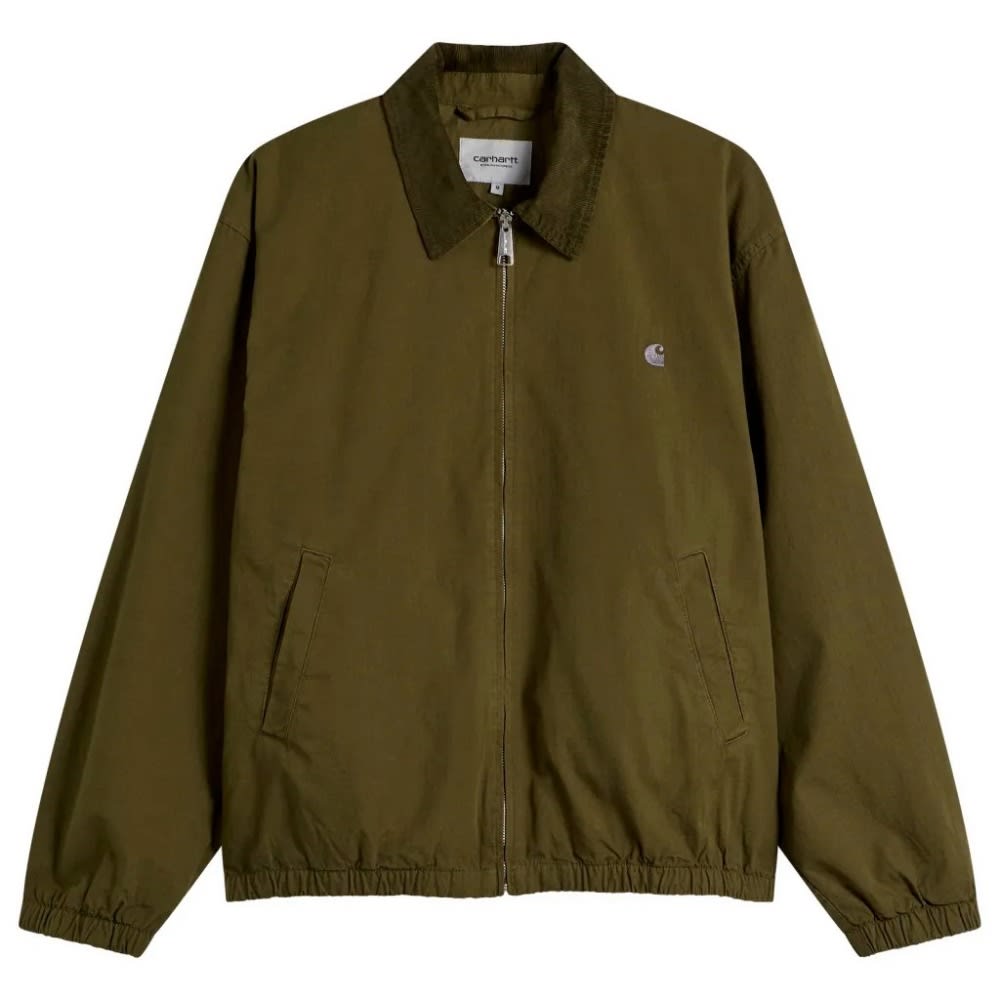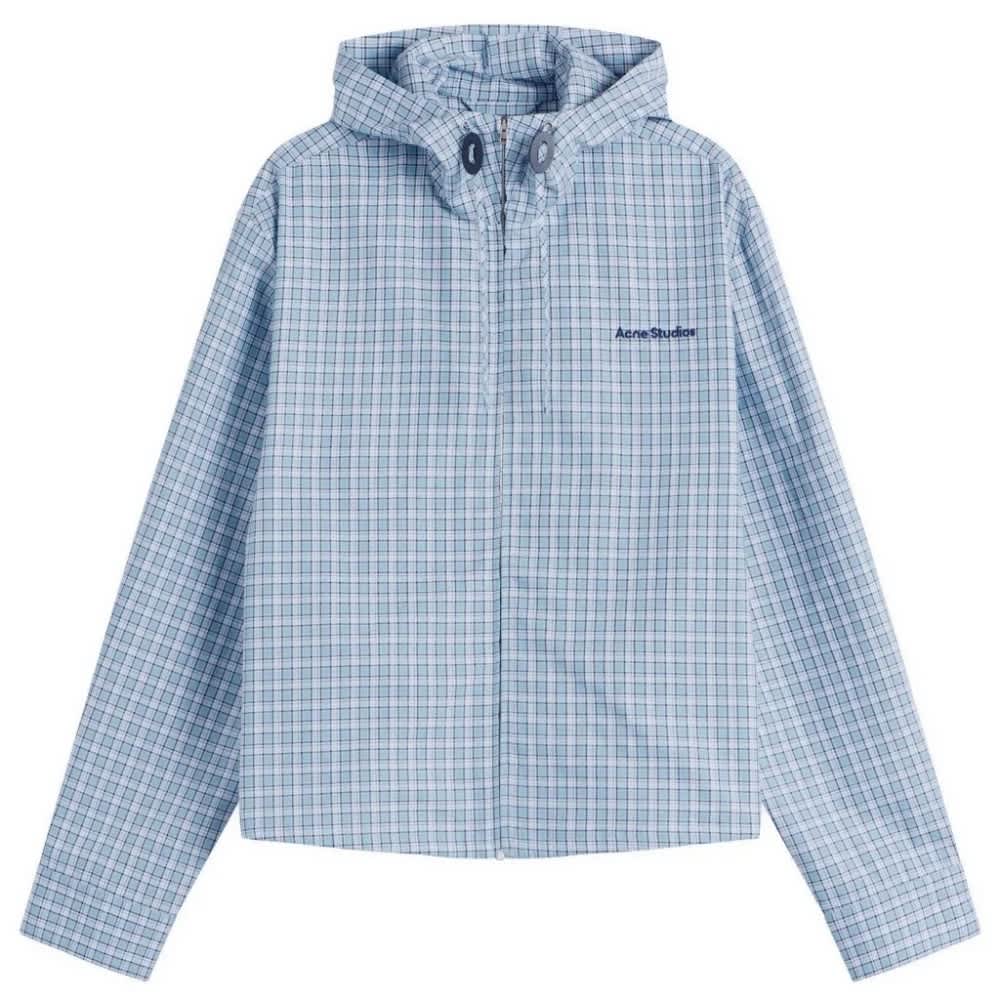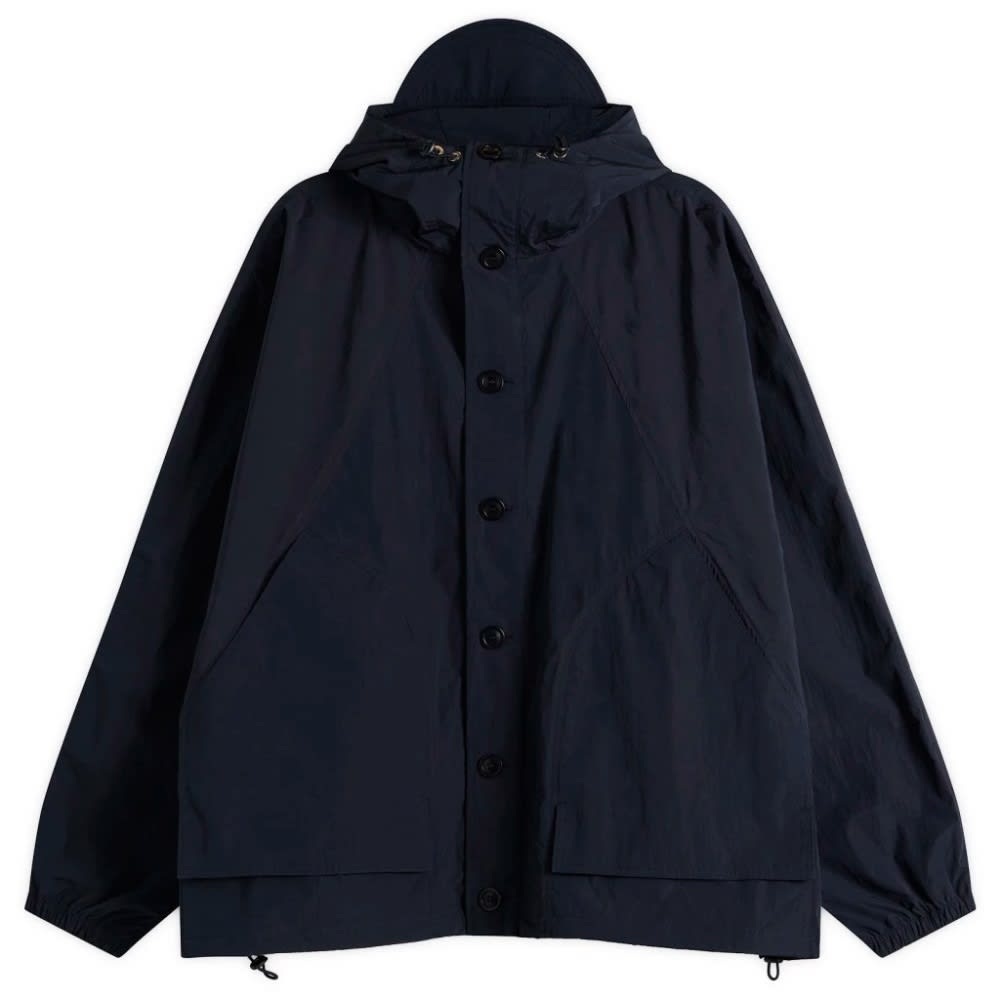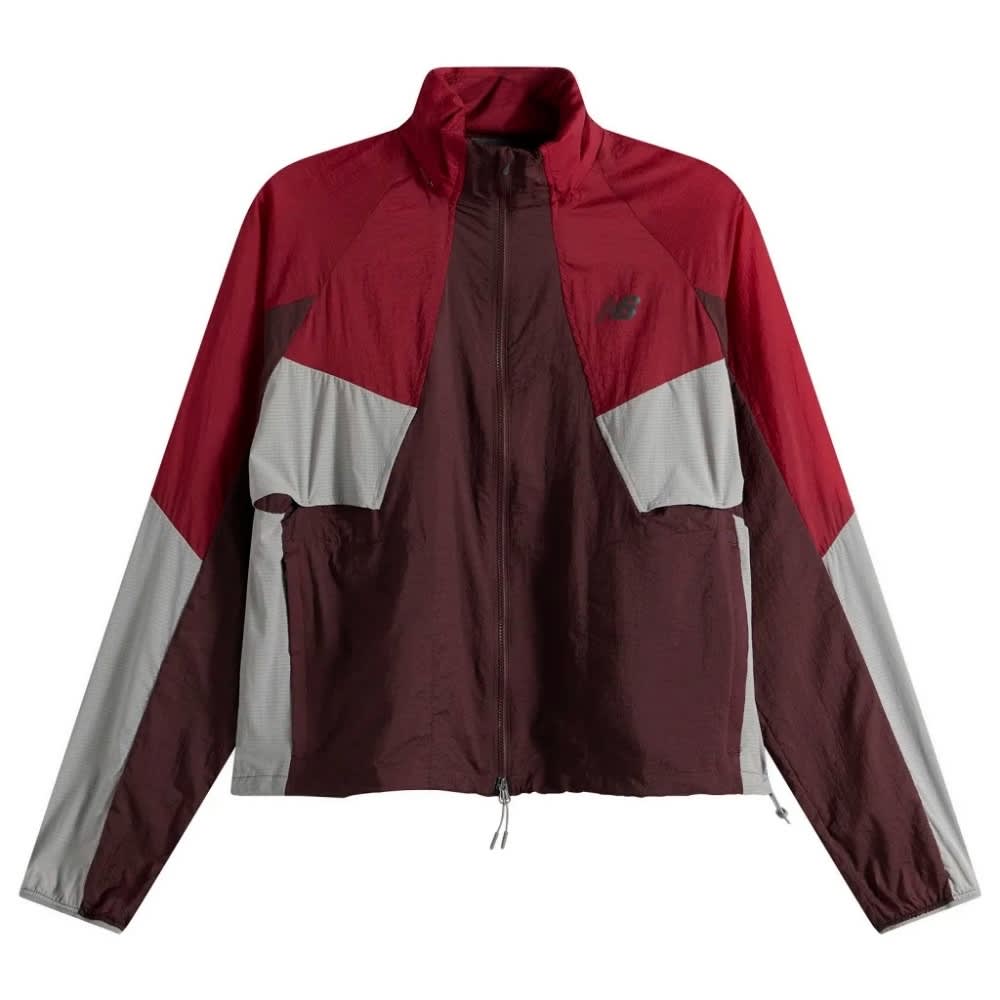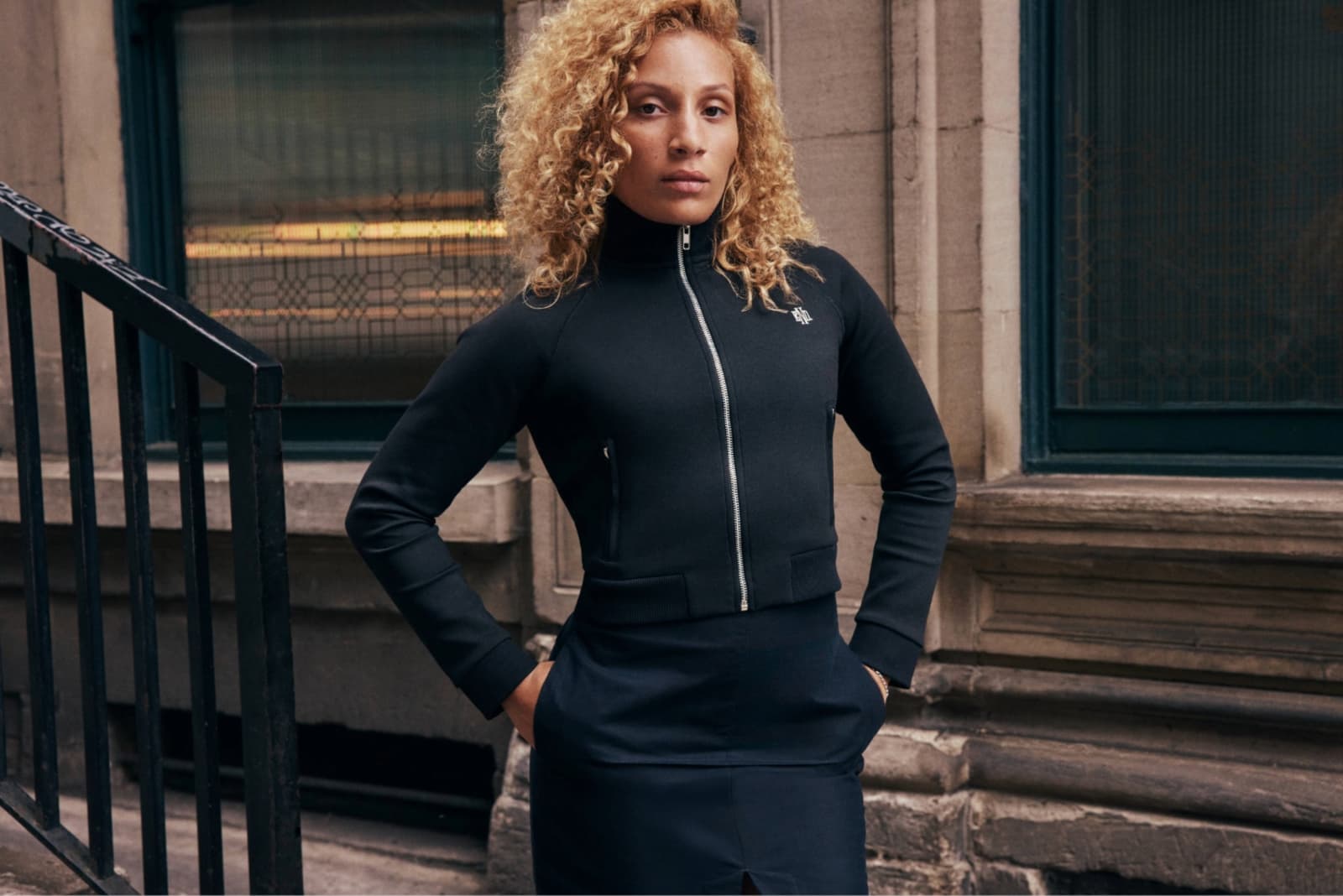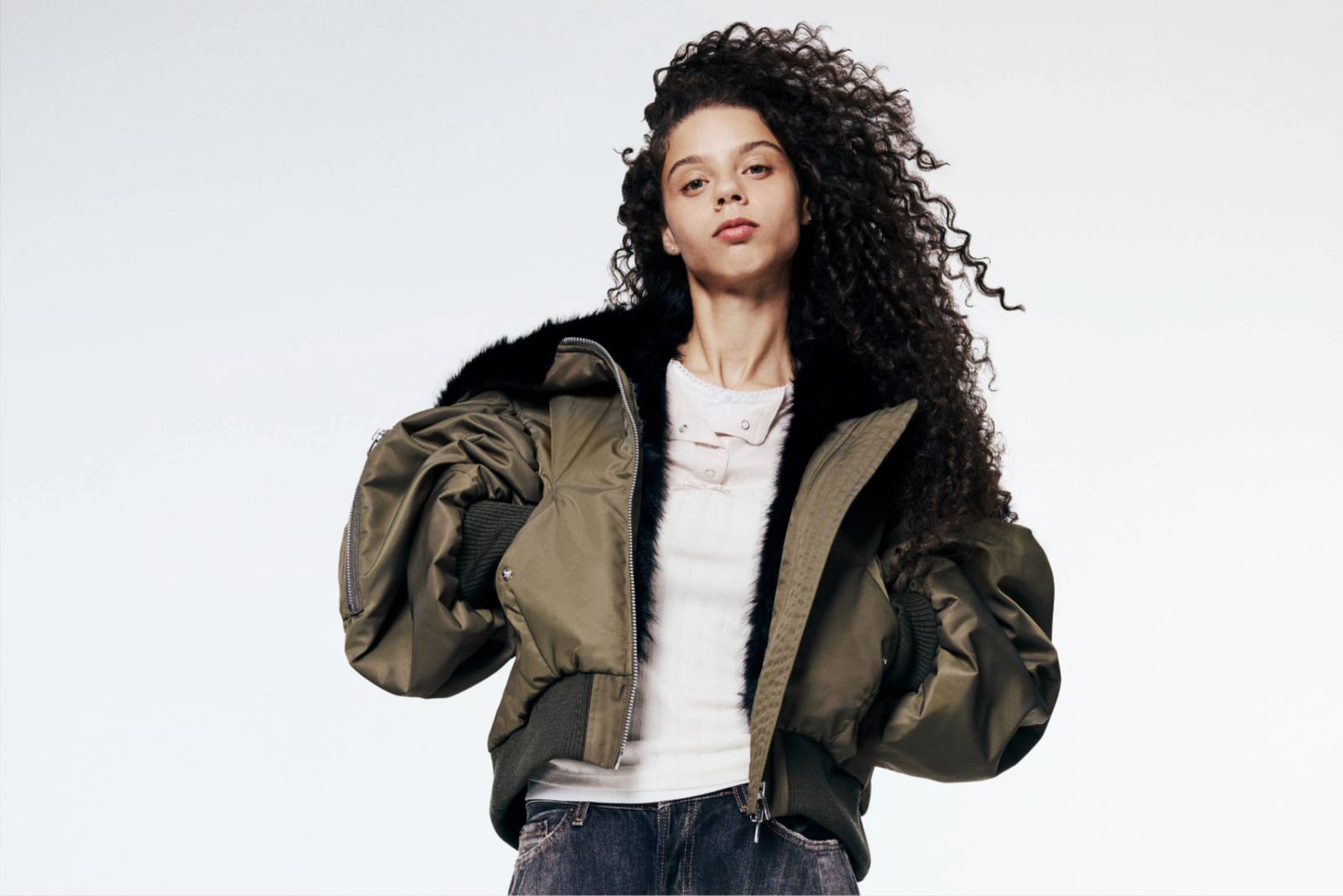
THE BEST LIGHTWEIGHT TECHNICAL JACKETS FOR TRANSITIONAL WEATHER
21 August 2026From cutting-edge pieces engineered for the wild to time-tested classics, here's why the lightweight technical jacket is the only one you need in the transitional period.

There’s no such thing as bad weather, only bad clothing.
There’s discussion on whether this phrase comes from Scandinavia or Britain. Anyone who’s lived in Britain can be fairly sure that we invented it. The proof is all around us. Transitional weather is basically the British default setting. Although we’ve experienced a summer of extreme heat, we still think that building a wardrobe for the average is the best tactic. What’s the average in Britain? Year-round in-between—raining in the morning, clear by midday, cold on the train, too hot on the walk home. This kind of weather has a way of exposing the fact that most wardrobes fall apart in the middle.
The lightweight technical jacket is the answer to the middle. It's the piece that handles an unpredictable forecast, making it one of the most useful items in the wardrobe. Plus, it’s practically trendproof thanks to its utility. Here's what the category actually covers, everything you should know before making a purchase, and how to wear it without looking like you're going hiking (unless you want that look, obviously).
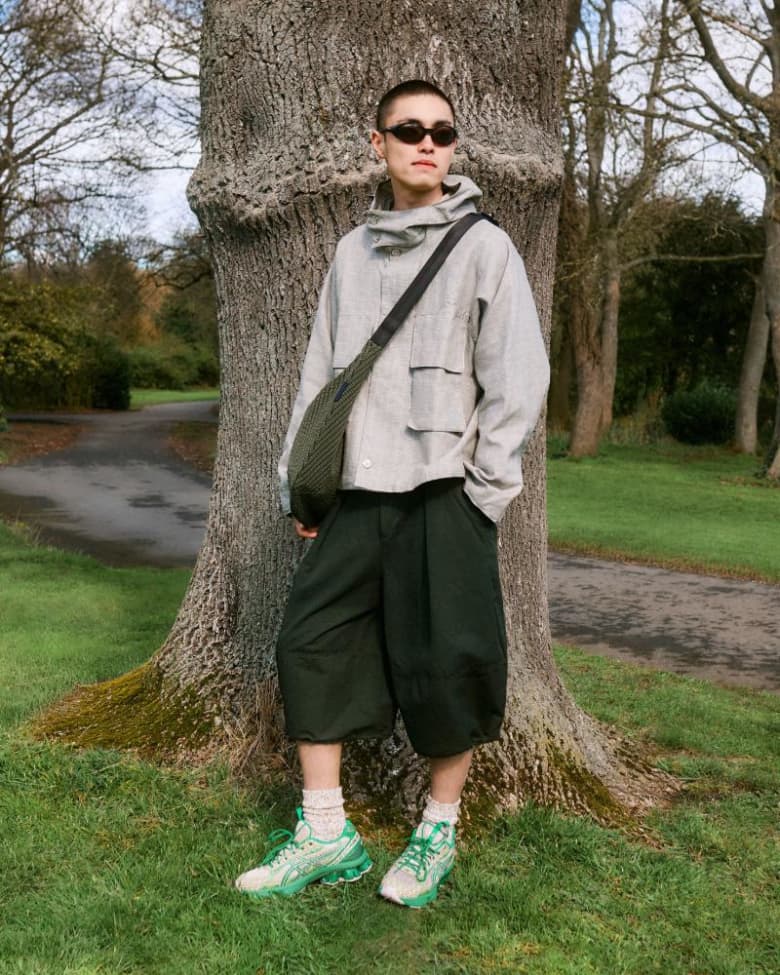

What Is a Technical Jacket?
The word technical gets thrown around a lot. In practice it means the fabric is doing a job: keeping water out, letting sweat out, blocking wind, or a combination of the three.
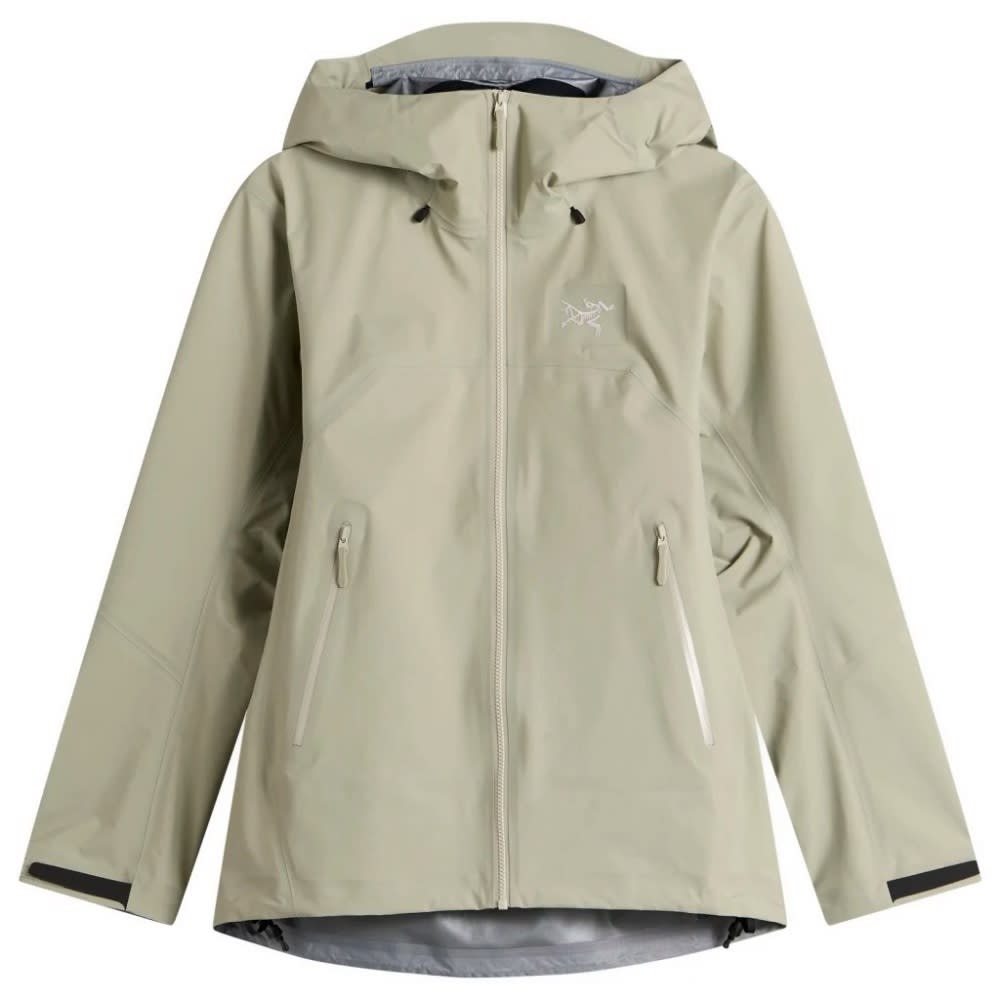
The distinctions worth knowing are in the construction. A 2.5-layer shell bonds a waterproof membrane to a face fabric and prints a thin protective layer on the inside—light, packable, and cheaper, but less pleasant against skin. A 3-layer shell puts the membrane between the face fabric and a knit lining, so it's more durable and more comfortable. Arc'teryx built its reputation on this kind of precision, and it's what you're paying for on a Beta Jacket, while options like Patagonia's Torrentshell jackets do a similar job at a lower price point.
Then there are windbreakers, which aren't waterproof at all. Sub-200g and usually packable into their own pocket. Brands like ROA and the new generation of running labels like Satisfy are key players in this group, catering to technical power as well as aesthetics that align perfectly with everyday wear.
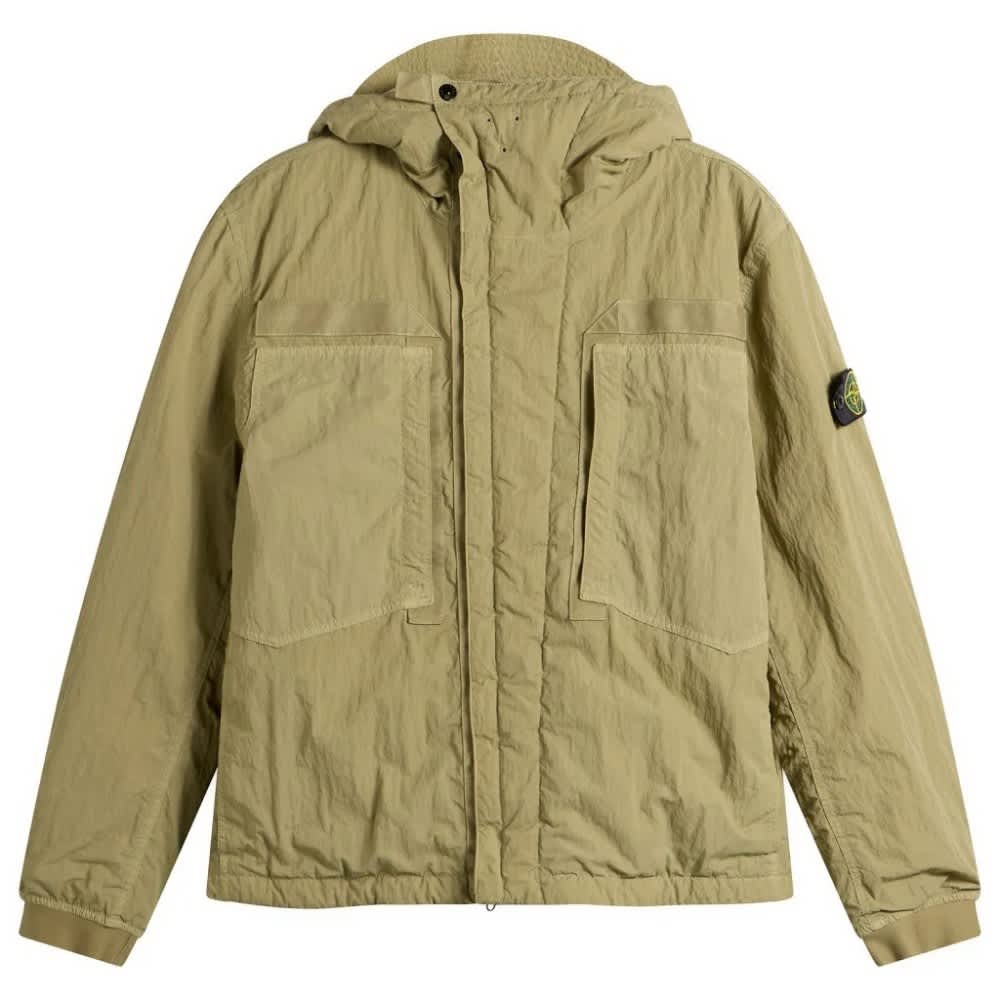
What’s worth remembering, and something we can’t stress enough, is that not everything technical looks technical. Stone Island and C.P. Company have spent four decades treating material as the design—garment-dyed nylons, resin-coated cottons, signature Chrome-R fabric—and the results read as outerwear first, gear second. Japanese labels take another route: Goldwin has been engineering performance textiles since 1950 and cuts them into something proudly techy, while and wander and Snow Peak apply the same fabrics to looser, quieter silhouettes.
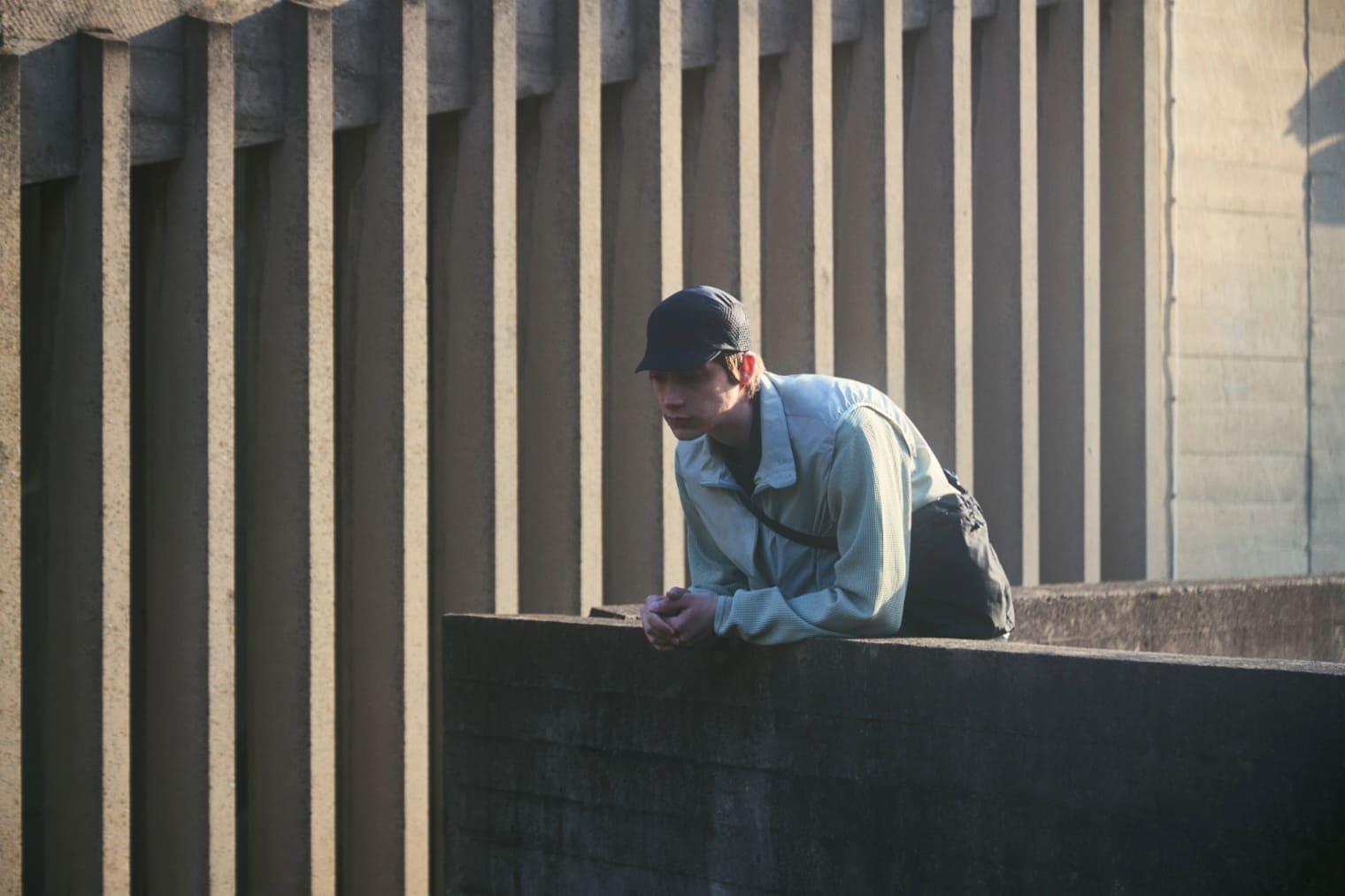
Which Technical Jackets Are Best Suited to Transitional Weather?
This is a complicated question with a simple answer: The most adaptable.
If the forecast can't decide, you’re best off with a jacket that caters to it all. In a dream scenario, you want a shell with a waterproof rating of at least 10,000mm, fully taped seams, an adjustable hood that stays put in wind, and pit zips or a mesh-backed vent so you're not soaked from the inside on a mild day. That covers you for heavy rainfall, high winds, and the chance that things clear up at some point. An expert piece of advice here is that pack size matters more than people expect. A jacket that fits in a bag is a jacket you'll have with you when the weather turns.
Weight is the trade-off. A 20-denier packable shell will pack down into a tote but won’t provide as much warmth as a heavier 3-layer will, for example. But this is when layering comes into play. By combining multiple layers, you can massively boost a jacket’s utility. Adding a lightweight down layer underneath, for example, will allow you to stick with the ultra-light technical shell that packs away into your bag without worrying about catching a chill. This kind of modular approach to dressing is often baked into designs: zip-out layers that allow you to adjust your jacket throughout the day depending on the weather can be a lifesaver.
They key? Check the forecast.
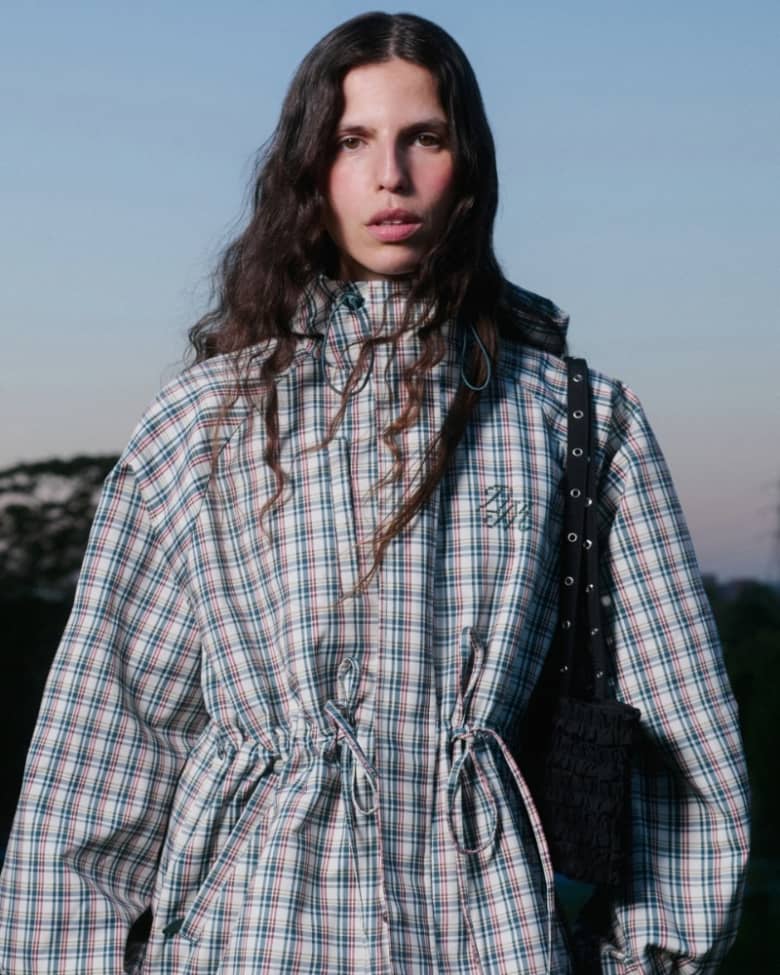
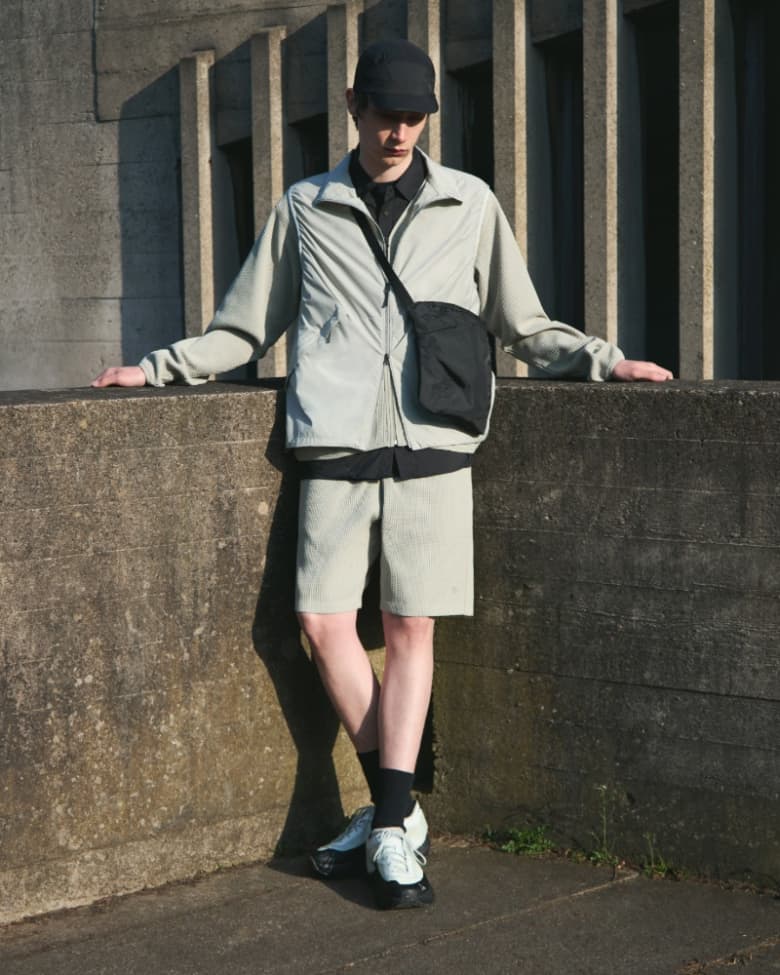
Which Features Matter the Most?
On the surface, what looks like a nice jacket might not actually do what you need it to. It might be way above spec for your daily coffee run, equally, it might be totally unprepared for a day on the mountain. It’s important to understand which features to look for when buying a jacket.
Waterproofing. We touched on this before, but it’s arguably the most important feature and the most common mistake people make. The central confusion lies in the difference between water-resistant and waterproof. A water-resistant jacket will usually be coated in a light outer membrane to guard against light rain. You’ll see the beading develop and the droplets roll off the jacket. This doesn’t last forever. Over time, a DWR treatment will lose effectiveness and allow water through the fabric. Even at full power, the coating will not guard against heavy rainfall. On the other hand, waterproof jackets are impermeable. With taped seams and zips, as well as fabrics designed to keep water out like GORE-TEX, they’ve got you covered in any level of rain, even in Newcastle.
Breathability. In the past, heavy-duty waterproofing and breathability were mutually exclusive. Waxed cotton protected against rainfall by effectively blocking anything going in or out, for example. Nowadays, they walk hand in hand. Fabrics like GORE-TEX, Pertex Shield, or eVent offer full waterproof protection as well as breathability thanks to woven constructions which are tight enough to block water but not so tight that they prevent air movement. Breathability ensures you stay dry from the inside, which is as important to heat retention and comfort as external moisture.
Weight. There’s nothing too complicated to explain here. A jacket can have the most effective weatherproofing in the game but if it’s awkward to wear and carry then it all counts for nothing. Be clear on your use cases and whether you need something light or can deal with a bit of extra weight.
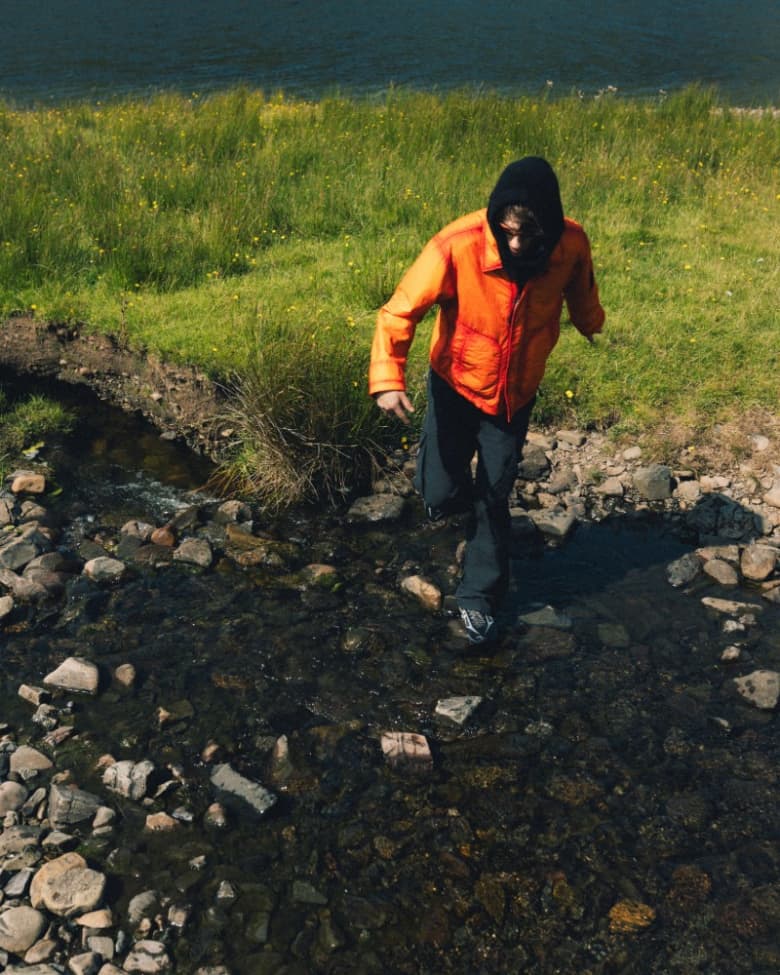
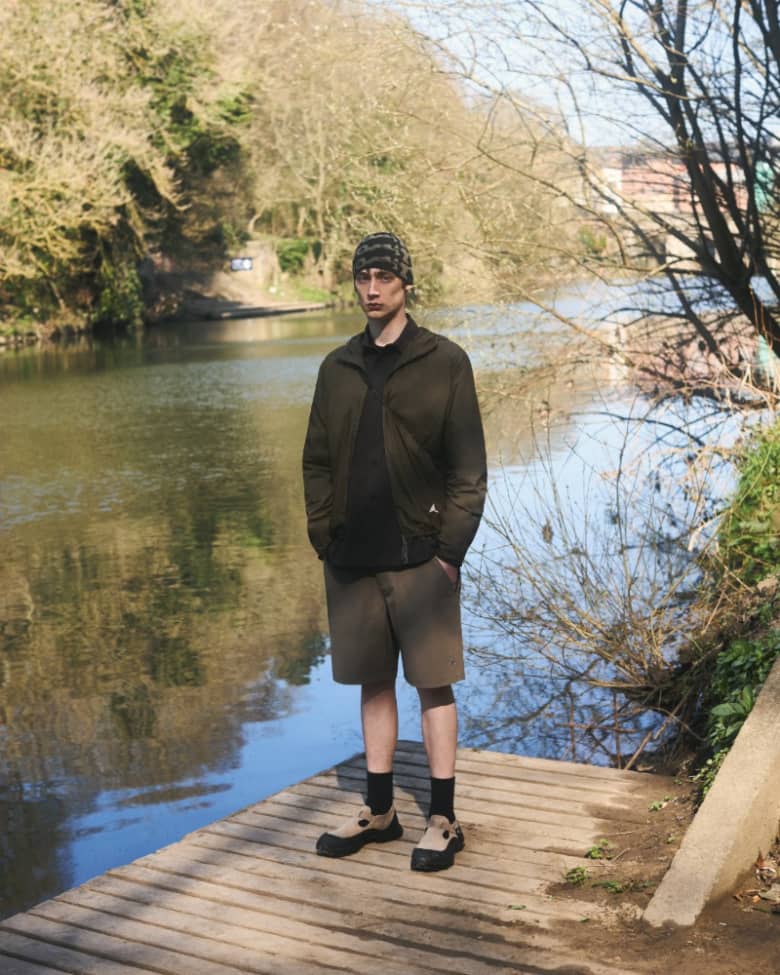
How to Wear a Technical Jacket
Technical outerwear used to be reserved for legit climbers and tourist dads. This stopped being a thing a long time ago. Gorp and techwear are now not even distinct style categories, they’re just part of the modern wardrobe. In keeping with that, the key to styling a technical jacket is to treat it like any other jacket. Instead of trying to build a more technical wardrobe to go around it, think about how you can play with colour and proportion to slot it into your everyday style as it is.
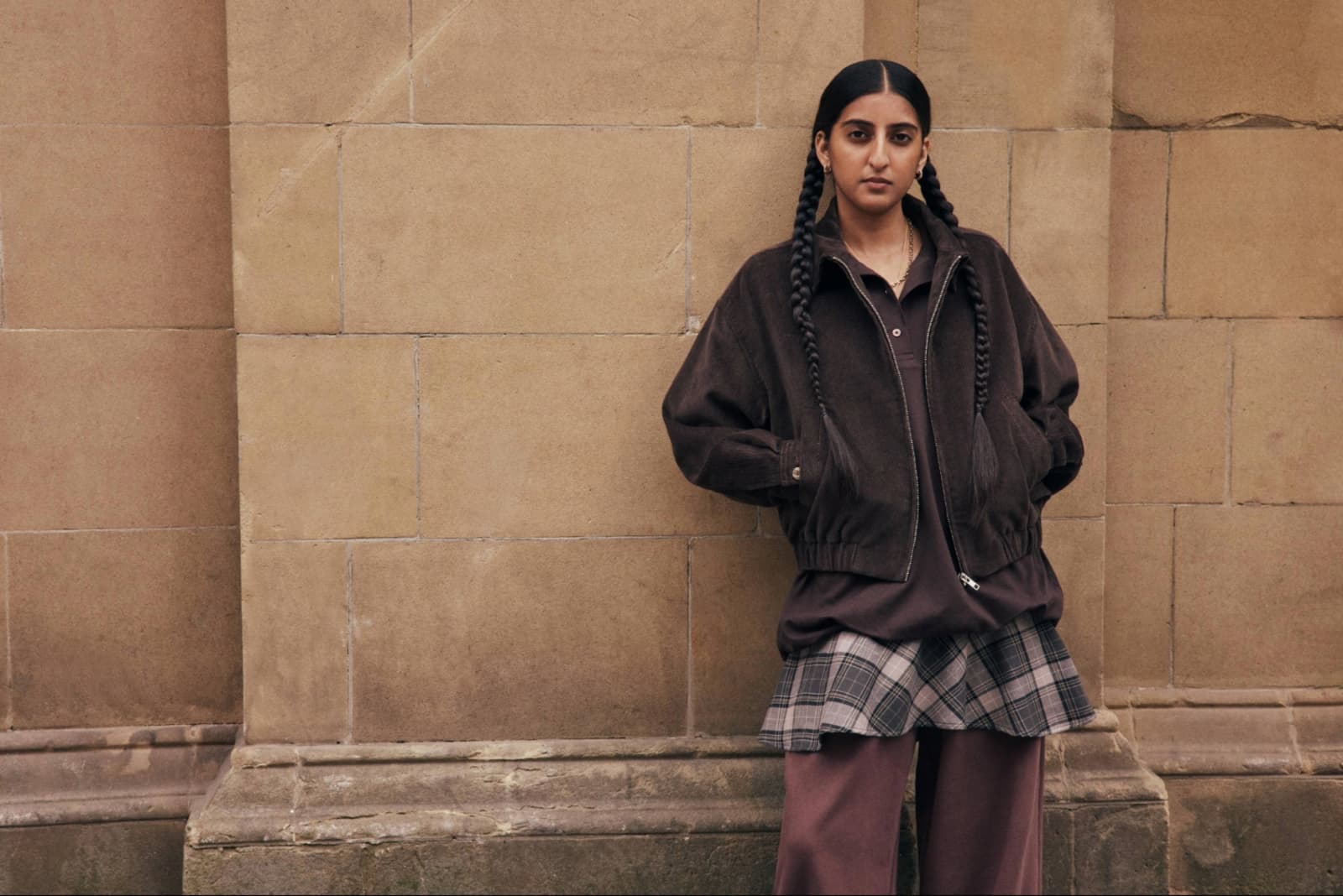
Colour does most of the work. A black, olive, navy, or stone shell reads as outerwear. The same jacket in a high-visibility alpine colourway reads as kit. Neither is wrong, but the muted version is the one that goes with more of your wardrobe and won't date. If you want a single technical jacket that works for everything, this is where to start. There’s beauty in contrast too, though. If you think you’ve got what it takes, pairing vintage Levi’s 501s with a highlighter-blue The North Face jacket can be a big-brain move.
In general, let one piece be the technical one. A shell over a hoodie, tailored trousers, and a pair of boots works because everything else is calm. The same shell over cargo trousers, a running vest and trail runners is a different outfit with a much narrower use case.
Balance the volume. A cropped, boxy shell sits well over a straight or wide trouser. A longer, drop-hem shell needs something slimmer underneath or you lose the line that the human brain naturally tries to find. Technical fabrics hold their shape rather than draping, so proportion matters more here than it does with wool or cotton.
Never underestimate the power of footwear to tie it all together. A trail shoe—Salomon's XT-6 lineage, or a New Balance runner with some heft to it—can make the whole outfit make sense. Once again, contrast can be a powerful tool here. While techy sneakers are the obvious choice, looking to something like canvas Vans Authentics or some retro-leaning adidas SPZL can work to emphasise the jacket and the shoes, just go easy on the colourways.
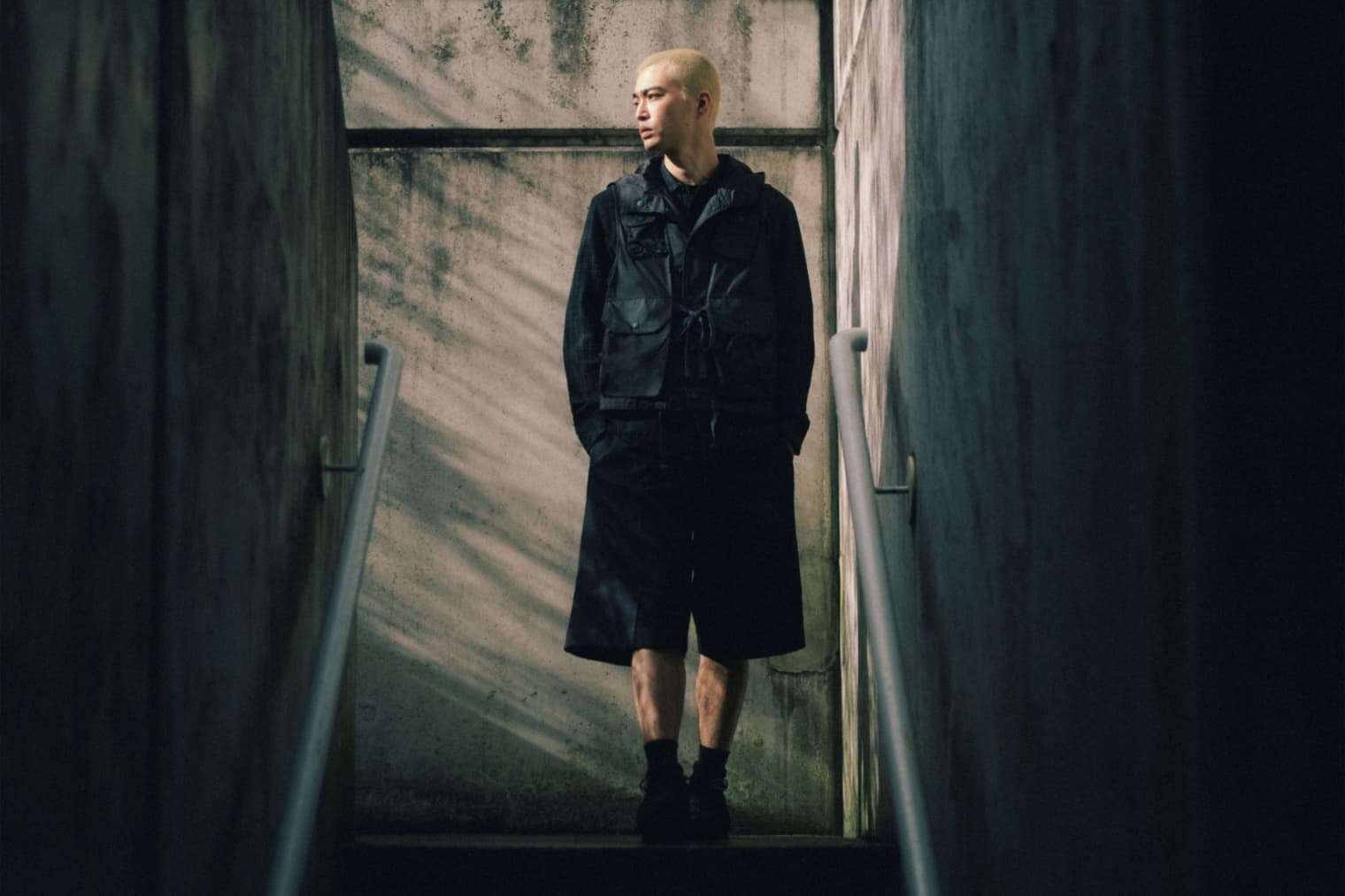
Which technical jackets work for everyday wear, not just outdoors?
Increasingly, this depends solely on styling. It’s no longer shocking to see a jacket designed to summit Everest being worn for pints in the rain, so lean into that. Balance the fit, and basically any jacket can work.
There's real precedent here. British casuals were wearing technical outerwear as everyday clothing before the outdoor industry noticed—C.P. Company's Mille Miglia jacket was built for a road race in 1988 and ended up populating football stadiums across England before long. There was no marketing campaign to kickstart this, just people realising that they could translate styling across categories. Use this mentality and make the jacket work for you.
The modern equivalents follow the same logic. Veilance takes Arc'teryx's construction and strips the branding, the details, and the colour down to something you can wear to work. Goldwin, nanamica, and and wander do it with Japanese pattern-making.