ANIMA & THE QUEST TO DESIGN A SNEAKER THAT NEVER DIES
10 September 2026ANIMA is redesigning footwear from step one. The brand’s circular approach means each pair can be sent back and rebuilt into the next generation of sneakers. We catch up with Co-Founder Andy Griffiths to talk 6 years of prototypes, recyclable footwear, and how it all actually works.
Every year the footwear industry produces 24 billion pairs of shoes and 95% of them will end up in a landfill or an incinerator. 24 billion. 95%.
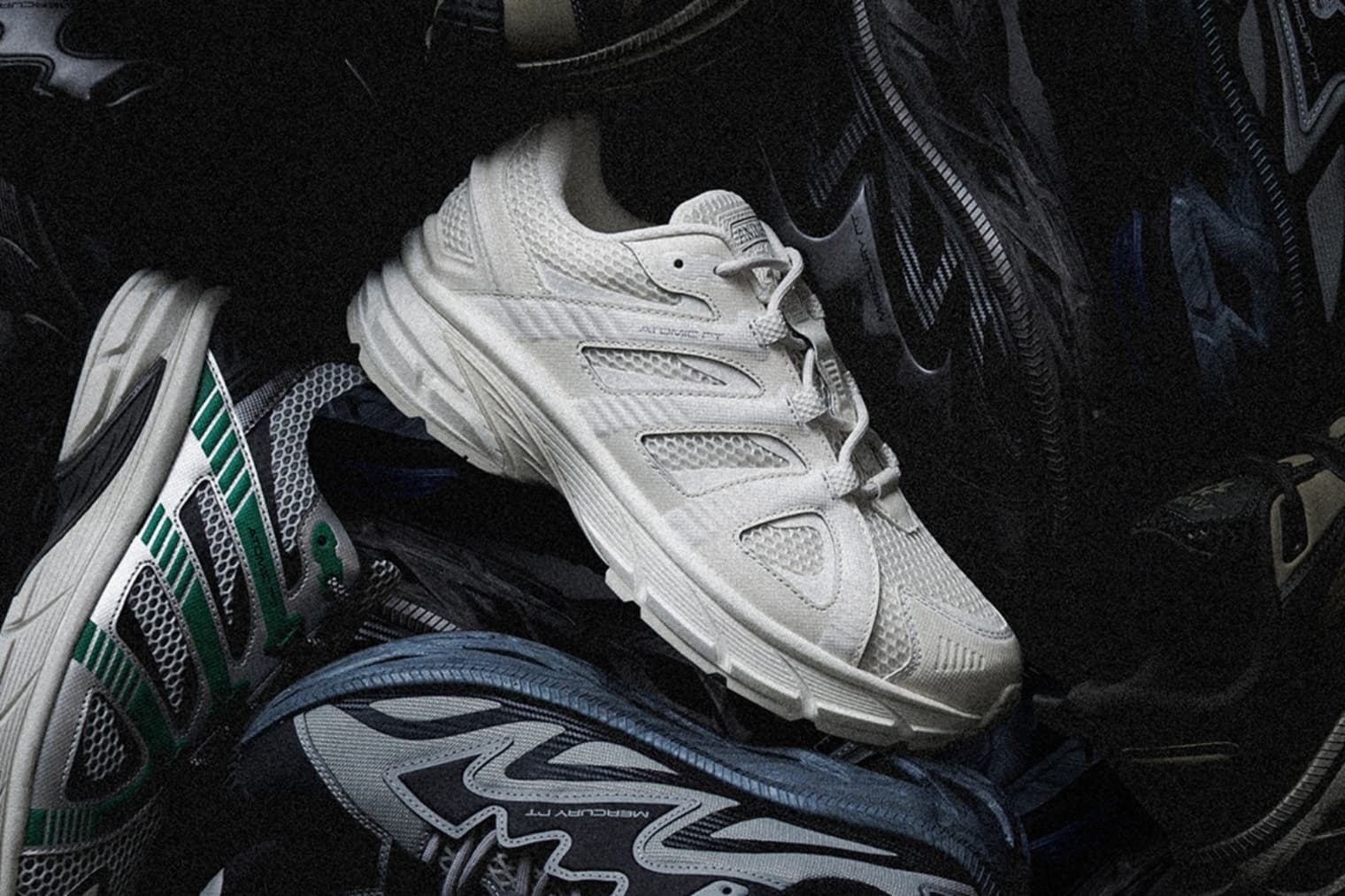
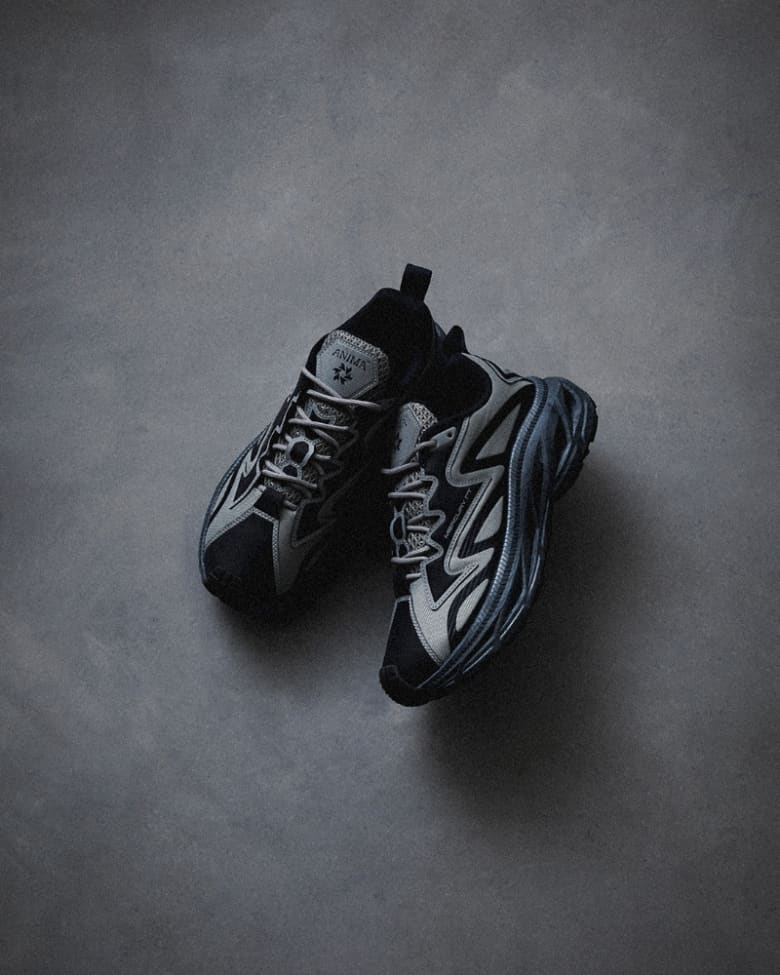
ANIMA was built to answer that problem head-on, not by talking a good sustainability game, but by figuring out a completely different starting point. What if a shoe could be designed to have a second life? Co-founded by George Yang and Andy Griffiths, ANIMA spent over six years developing 4EVERLOOP™, a single recyclable material system that replaces the tangle of rubbers, foams, textiles, and plastics found in a typical sneaker with one shreddable, meltable, remakeable source.
The result? “WEAR. SHRED. REMAKE.” A closed-loop model where a worn-out pair can be sent back, shredded down to pellets, and reborn as the midsole or outsole of the next generation of ANIMA sneakers, with the wearer credited for the return. It's a brand still new to most people's radar, but one with engineering that could genuinely change the way we buy sneakers.
As ANIMA launches at END., we caught some time with co-founder Andy to find out more about what the next generation of sneakers looks like, how they designed it, and why we should expect more from the products we buy.
What’s your background, and what led you to create ANIMA?
I’ve spent most of my career working across product, brand, retail, and commercial growth, essentially helping turn good ideas into products people actually want to buy and businesses can build around.
What we set out to create with ANIMA was not another brand trying to make a conventional sneaker sound more sustainable. The idea was much deeper and more fundamental: could we make a great sneaker differently, starting with the materiality, then the design and ultimately give it a new “second life” once the wearer has finished wearing it?
I’ve always believed that if you want to change consumer behavior, the product has to be good enough to win on its own terms. It must look right, feel right, and earn its place in your wardrobe. ANIMA is incredibly exciting because it had the potential to do just that while also addressing one of the biggest problems in global footwear: we make an astounding 24 billion pairs of shoes every year, of which 95% end up in landfills or incinerated.
What didn’t exist in circular footwear before ANIMA?
There have been recyclable shoes before ANIMA, and there have been brands talking about circularity, but there was still a real and large gap between the promise and the product.
Most sneakers are incredibly complicated. They are made from multiple materials, rubber outsoles, EVA midsoles, foam, textiles, plastics, metal, and then everything is glued together. That’s great for making a shoe, but terrible if you ever want to take it apart and recycle it. In reality, it’s almost impossible.
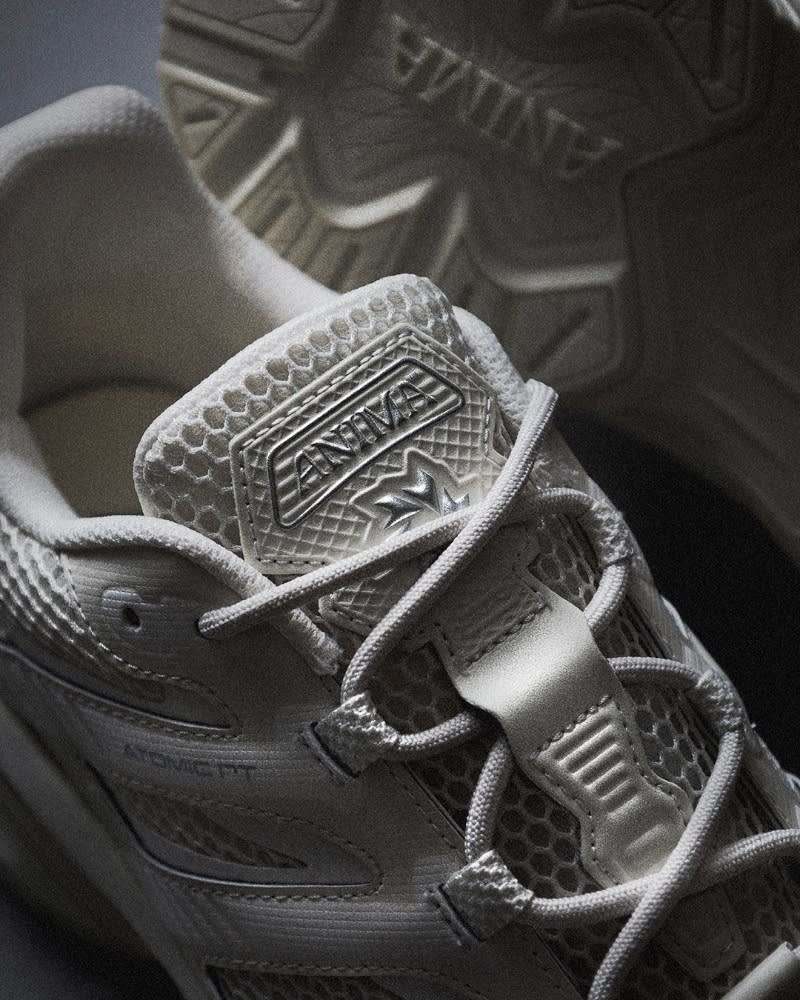
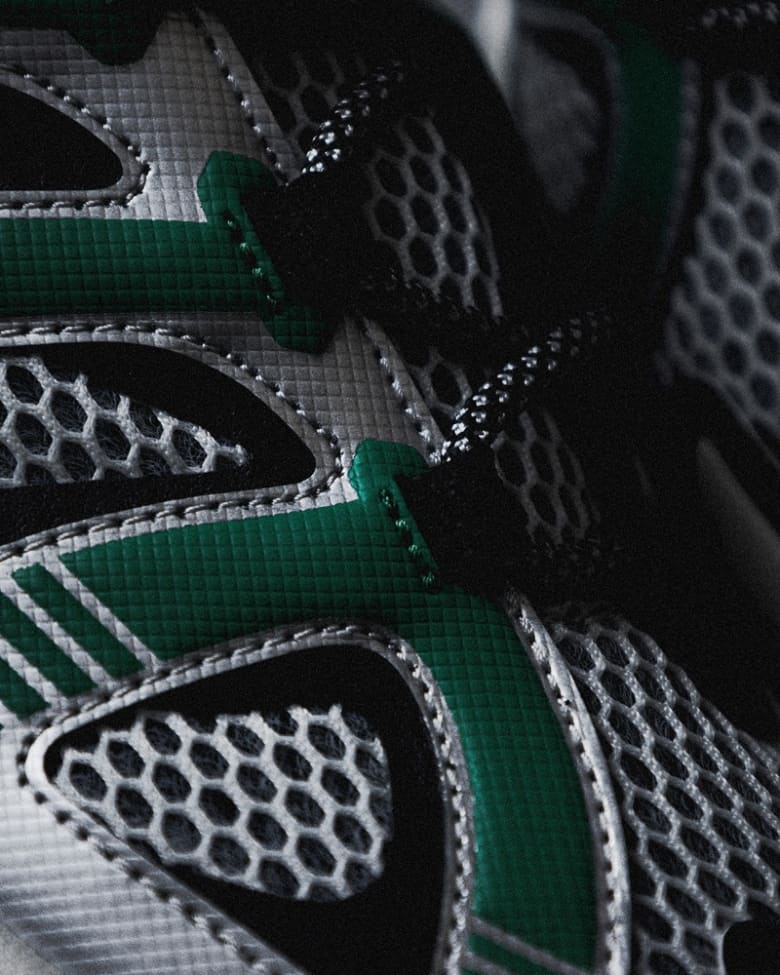
What we set out to do was much simpler in principle, but much harder in reality: build the shoe around one recyclable material system, which we call 4EVERLOOP™, rather than a collection of incompatible materials. The upper, midsole, and outsole are designed from recycled plastic waste and polyester textile; it’s one single material source, so the shoe can be shredded as a whole, melted down into pellets, and be recycled into a new midsole or outsole, and ultimately another new pair. Our goal was to design and build a sneaker for closed-loop circulation.
"We should expect more from the products and brands we choose; better design, better quality, more thought-about materials, and more accountability for what happens at the end of the product’s life."
How long did it take to create a sneaker with one base material?
It took over 6 years to develop and master, because we were not trying to solve one problem; we were trying to replace an entire traditional way of making footwear.
Normally, different parts of a sneaker rely on different materials because each one does a specific job. The upper needs to be flexible and comfortable. The midsole needs cushioning and energy return. The outsole needs grip and durability. So, asking a single material from a recycled source to work across all these functions was a big technical challenge.
There was a huge amount of sourcing, testing, and prototyping involved. We had to keep asking ourselves: Does it perform? Is it comfortable? Does the design look good? Can it be made consistently? Can we mass produce? And most importantly, can we shred the entire sneaker, melt it into pellets, and produce a second-generation sneaker? That process took real patience and a lot of refinement and there was no shortcut if we wanted to make the idea credible.
What did you learn from the first prototypes?
The first thing we learned was that circularity is not something you can add later. We designed and made our sneakers for circularity from the very beginning. Every material choice and every construction decision matters.
The second thing was that nobody gives you a pass because you’re trying to do something better. The customer is still judging you against the best sneaker brands in the market. They don’t buy footwear because it is technically impressive; they buy it because it looks cool, feels good, and fits their life.
This has been a really important principle for us. The circular story matters a lot, but it cannot carry the product on its own. The shoe must be something people genuinely want to wear first. If we get that right, then the story and recyclable system behind it becomes more meaningful and more likely to scale.
What happens when a sneaker is “shredded and remade”?
The customer experience is deliberately simple. When your sneakers are worn out or you’re just done with your shoes, you pack them into the original drawstring bag, use the free return label, and send them back to us. We give you £20 credit when the pair is received.
After that, the shoe comes back to us and because it is made of our 4EVERLOOP™ technology, we shred the whole sneaker, melt the material down into pellets, and send it all back into the manufacturing system in Taiwan to be recompounded and remade into new second-generation ANIMA sneakers.
That is what “WEAR. SHRED. REMAKE” means. It is not a vague recycling claim. It is about building the product and take-back system so that, when it’s worn out by the wearer, the material can still be reproduced into a new midsole or outsole, rather than ending up in landfill or incinerated.
Why is every pair slightly different?
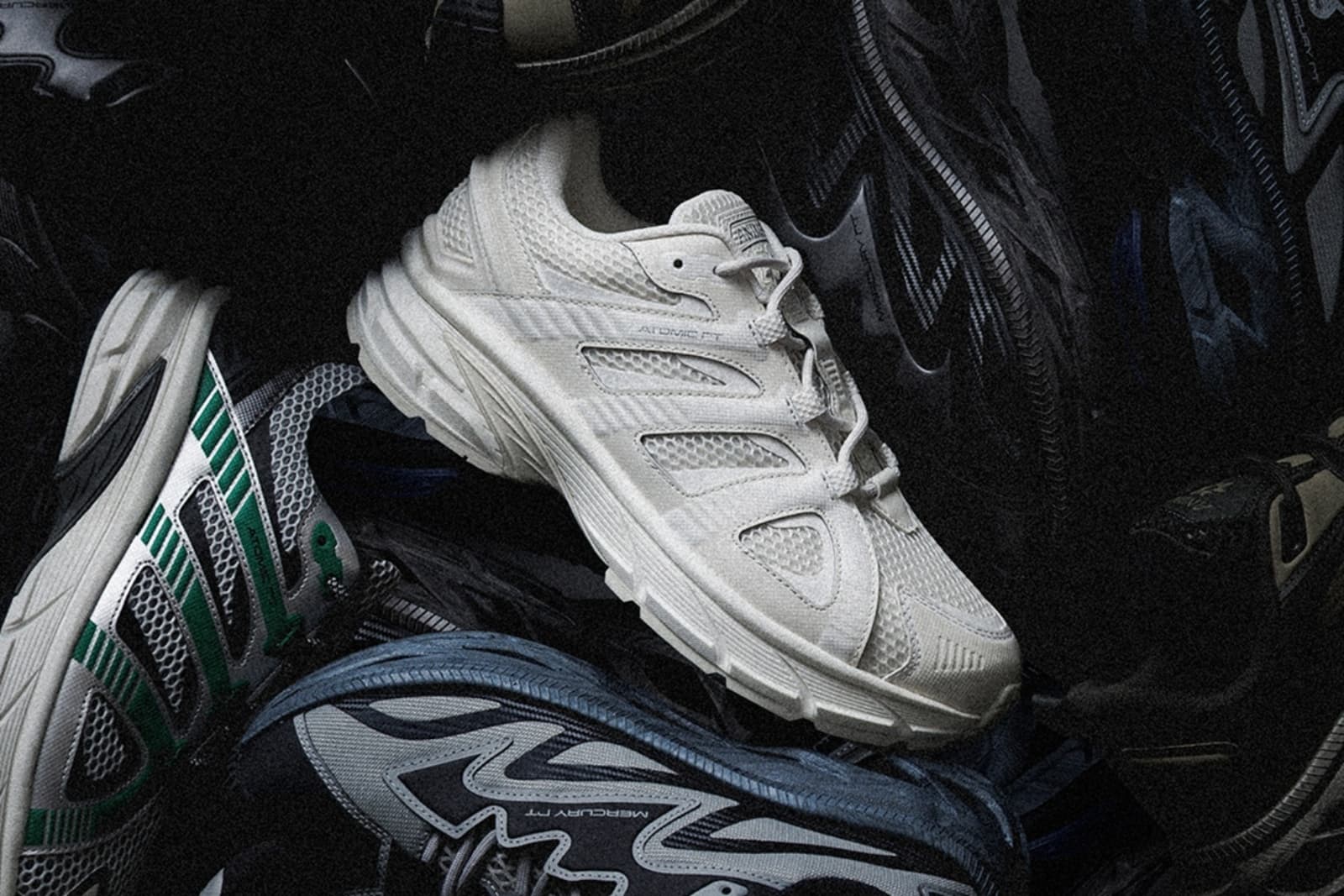
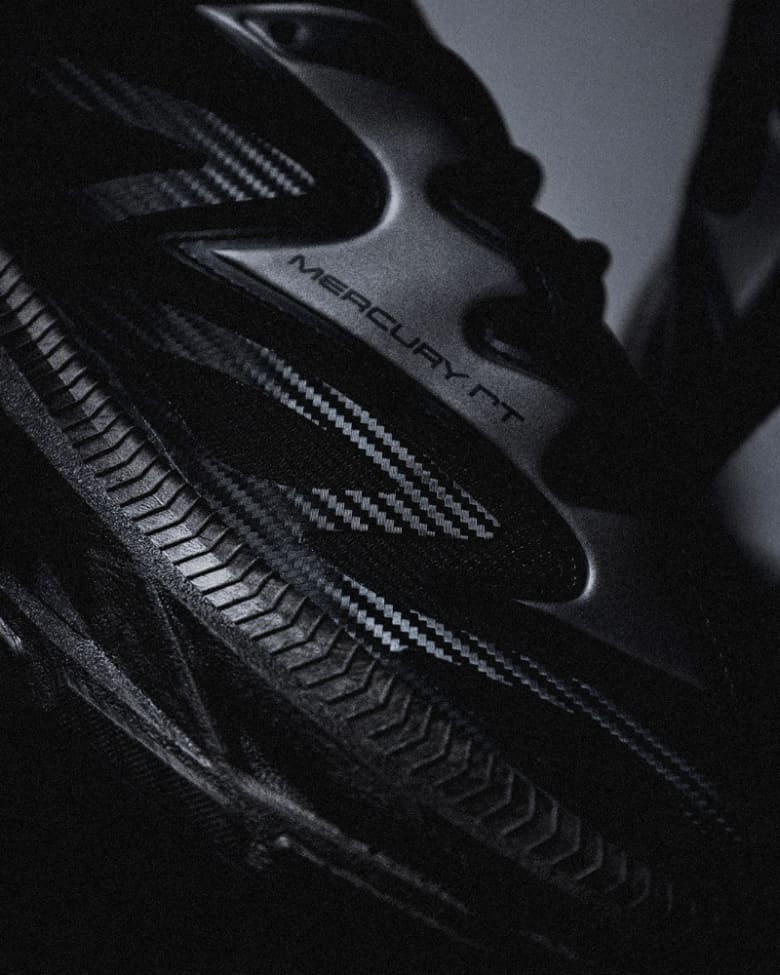
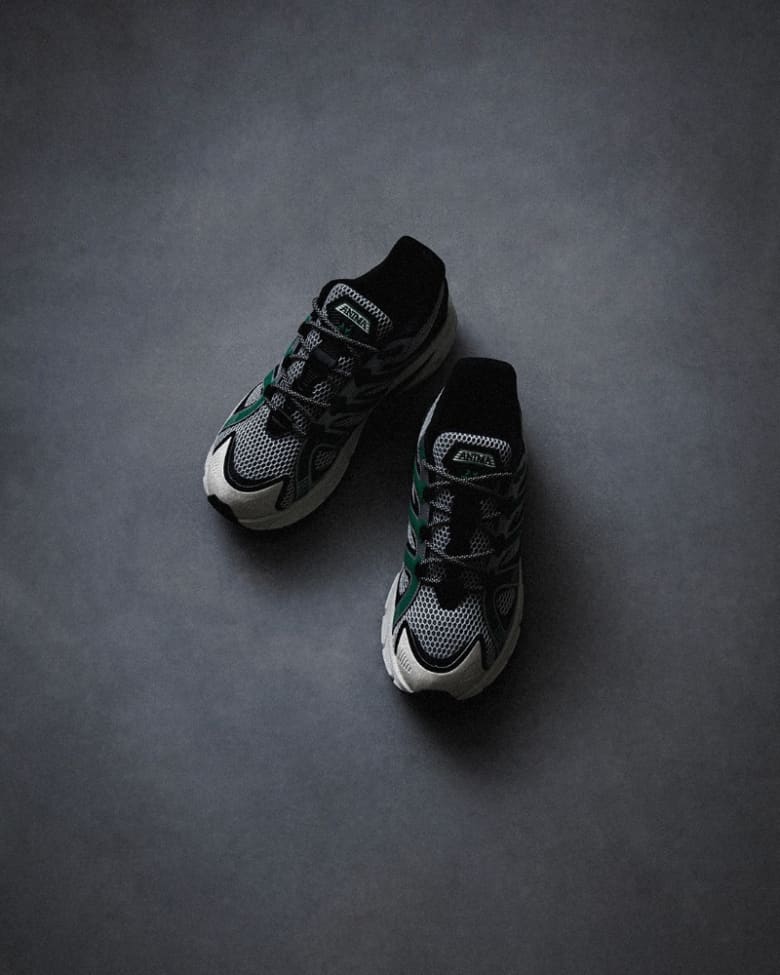
That comes from the midsole. We use a nitrogen-based foaming process that creates the distinctive flame-like marbling in the material.
The pattern forms organically during production, so it never repeats the same way twice. Every pair has the same performance characteristics, but the marbling gives each one a slightly different character.
For me, it is a beautiful reminder that the product is technical, and it’s our signature DNA look. There’s personality in it; you’re getting something engineered for everyday wear, but it also feels individual to you.
Has ANIMA changed your own wardrobe?
Definitely. It has made me more conscious of what I bring into my wardrobe and why.
I am not interested in telling people they should stop buying things they love. I think great products are part of how we express ourselves. But I do think we should expect more from the products and brands we choose; better design, better quality, more thought-about materials, and more accountability for what happens at the end of the product’s life.
Personally, I now gravitate towards things I know I’ll wear repeatedly; pieces that have real quality, real purpose, and staying power. The work with ANIMA has taught me that responsibility should not feel restrictive. It should be part of what makes a product better in the first place.