BRAND PROFILE: ARC'TERYX
8 September 2026From a North Vancouver garage to gorpcore's defining name, here’s everything you need to know about Arc'teryx, its product families, and the technology behind them.
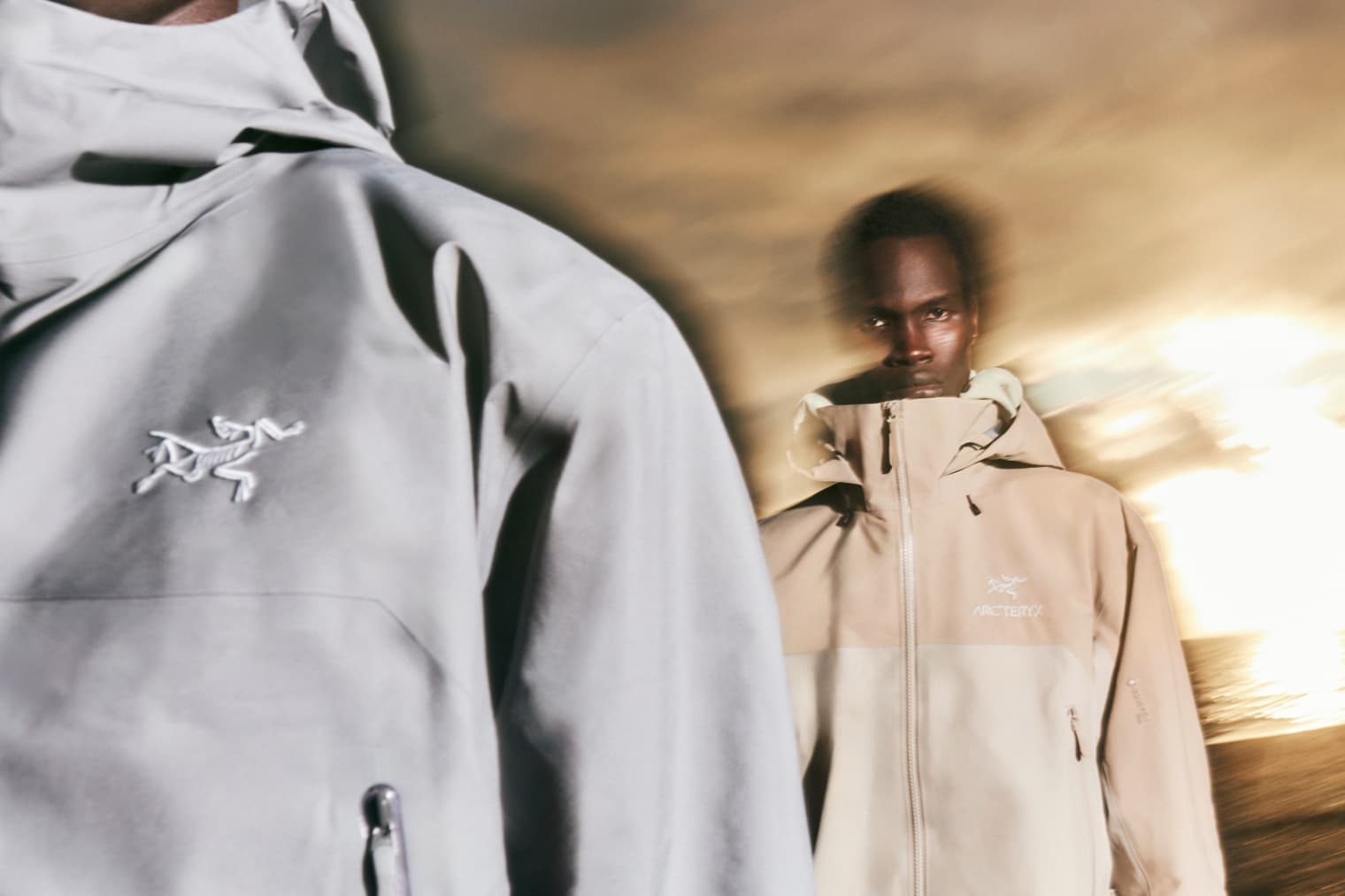
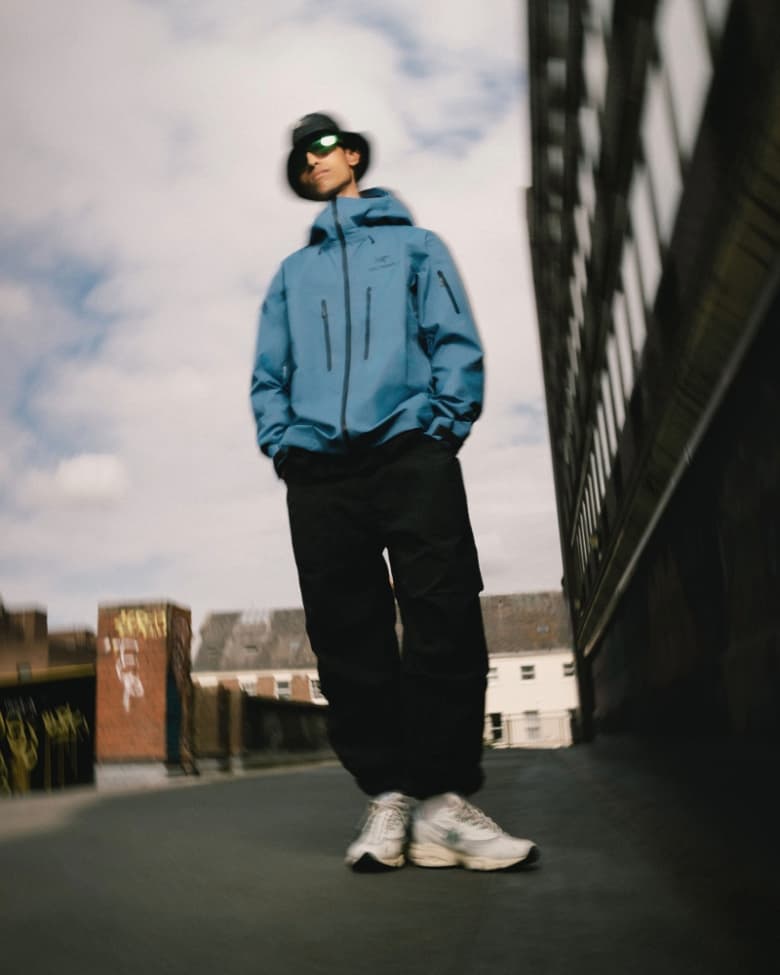
There's a reason the Bird logo travels so well between contexts it was never designed for. You're as likely to see it on someone clipped into a rock face as you are on someone standing outside your local in a city that hasn't seen weather worse than drizzle in a month. They might be wearing the same jacket, but they probably bought it for different reasons. One of them needs to be protected against the elements, and the other wanted the ultra-technical aesthetic (and being dry while you have a pint helps, too). Neither is wrong, both illustrate Arc’teryx’s ability to cross from utility to cultural relevance in the blink of an eye.
Arc'teryx has spent three and a half decades perfecting that equation, and it's built one of technical outdoor wear's most respected names in the process; respected enough that the same name shows up in fashion write-ups as it does in mountaineering forums. Here's where the brand came from, what actually separates its product lines, and why a Canadian climbing company ended up defining an entire aesthetic.
SHOP ARC'TERYX AT END.
What Is Arc'teryx?
Arc'teryx is a Canadian technical apparel company based in North Vancouver, British Columbia, founded in 1989. It started life as Rock Solid, a small operation making climbing harnesses, before rebranding in 1991 under a new name borrowed from Archaeopteryx: one of the earliest known transitional species between dinosaurs and birds. The name was a statement of intent: evolution.
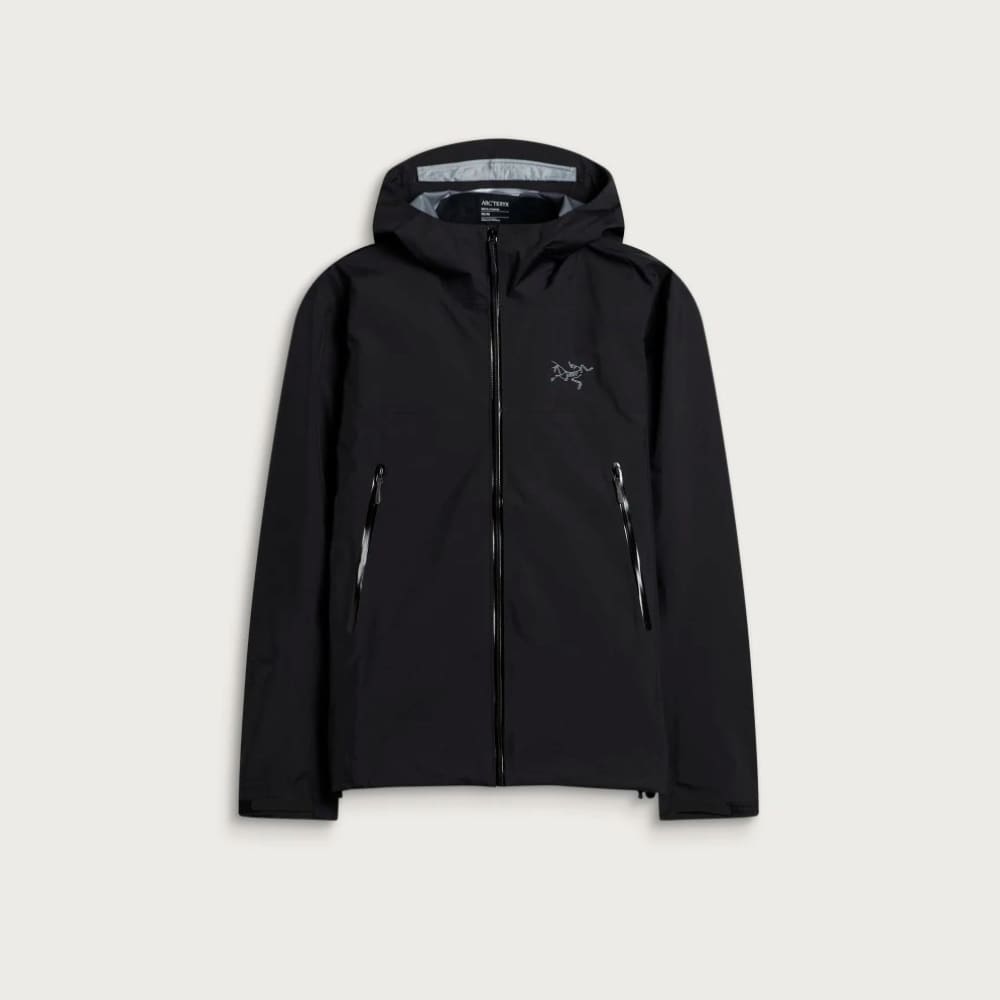
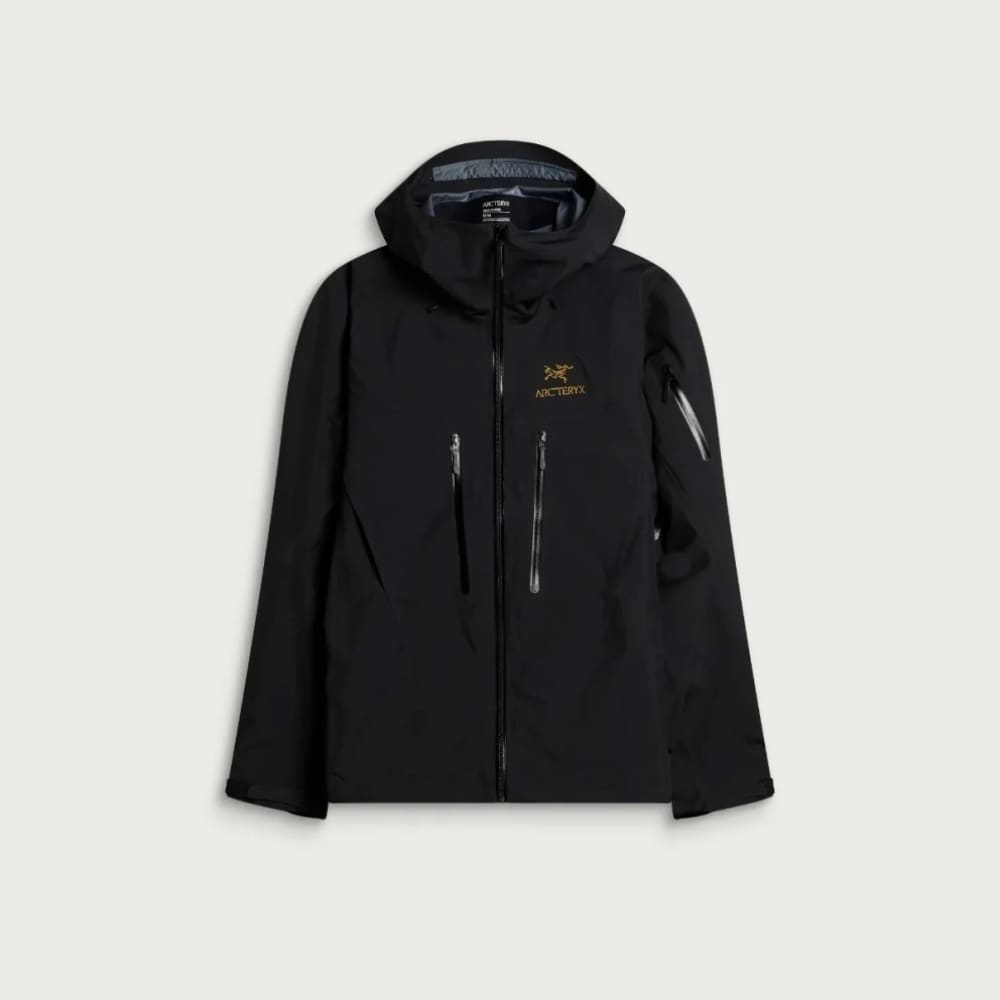
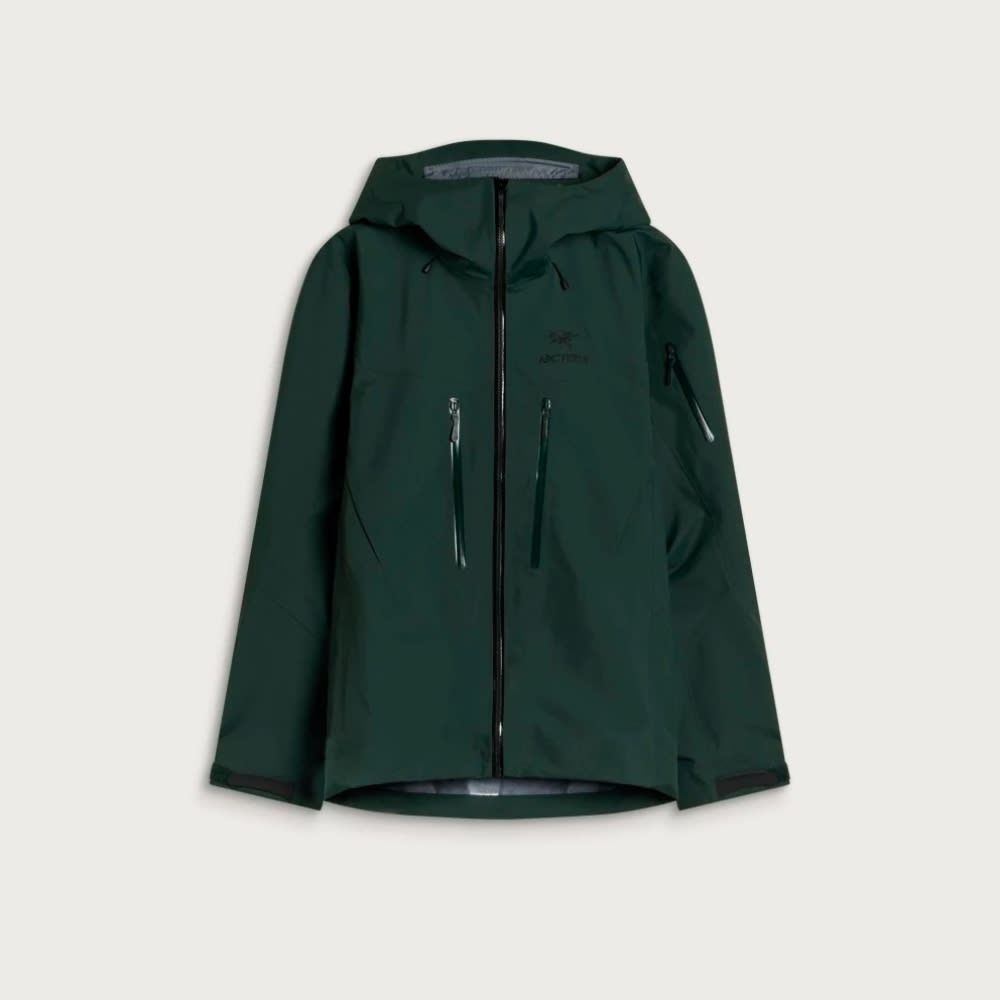
That climbing-gear DNA never left. Arc'teryx's early reputation was built on thermolaminated harnesses and packs, technical constructions that reduced bulk without sacrificing strength. By 1998, that same obsession with construction had made the fateful move into outerwear with the Alpha SV, a GORE-TEX shell that set a new bar for what waterproof protection could look and feel like. It's still one of the brand's flagship pieces today, and a definitive item in the market.
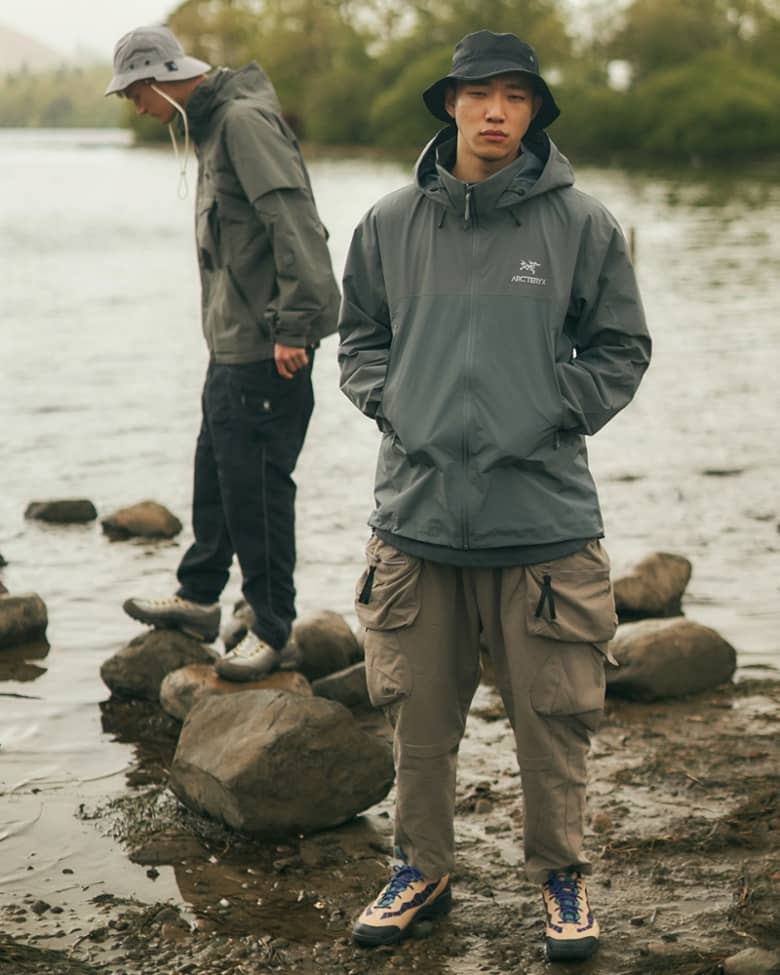
One major thing that’s changed is the audience. A brand built for alpinists and ski patrollers now sits comfortably in gorpcore's canon—the trend for technical, function-first outdoor pieces worn well away from any mountain. Arc'teryx didn't chase that crossover. It happened because the standards the brand holds for genuine performance translate into everyday credibility. A jacket engineered to survive a storm on a ridge line is more than capable of handling a commute.
What Makes Arc'teryx Different?
Plenty of outdoor brands make waterproof jackets. Not everyone treats every seam, zip, and pocket placement as a design problem worth solving from scratch.
Arc'teryx's signature is articulated patterning. The brand cuts garments in three dimensions around the shape of a moving body rather than flat panels stitched together. It's why a well-fitted Arc'teryx shell doesn't ride up when you raise an arm to reach a hold, or bunch under a pack's hip belt. The brand also pioneered thermolamination, bonding seams and layers with heat rather than stitching wherever possible, which cuts bulk and removes potential leak points.
Then there's the naming system, which is unusually literal for the outdoor industry. Rather than seasonal product names that change year to year, Arc'teryx organises its ranges into families (Alpha, Beta, Gamma, Atom and so on) with consistent naming inside each one (SV, AR, LT, SL) that signals exactly what a piece is built for before you've read a single spec. Once you understand the code, you can walk into any Arc'teryx range and know roughly what you're looking at.
Arc'teryx Product Families Explained
Arc'teryx's naming system rewards those who spend the time to learn the code. Each family has a job. Within a family, suffixes tell you how far a specific piece leans into performance versus everyday usability.
- Alpha is the climbing and alpinism family, featuring Arc'teryx's most technical hardshells, built for harness compatibility, helmet-compatible hoods and minimal bulk. The Alpha SV (Severe conditions) is the least compromising shell in the range; if you need a jacket that will survive an genuinely hostile environment and nothing else matters, this is it.
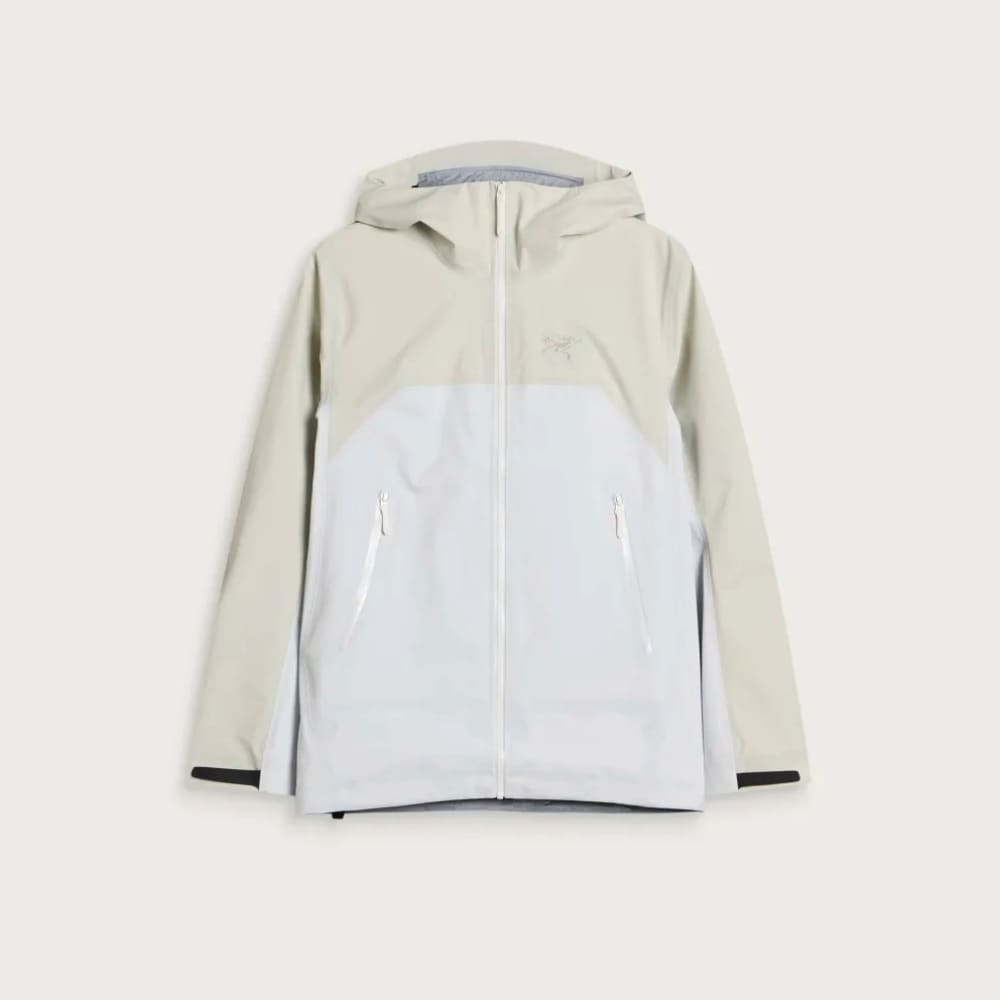
- Beta takes the same waterproof, windproof foundation and builds in more everyday usability. You’re looking at a slightly roomier fit, easier layering, and a broader spread of weights across the family (Beta SL, Beta LT, Beta AR, Beta SV). This is the family Arc'teryx points people toward if they want one shell that handles hiking, travel, and daily wear without needing a specific discipline in mind. This is why the Beta remains one of the most popular Arc’teryx families for casual, style-first wearers.
- Gamma moves away from hardshell fabric altogether into softshell. These are weather-resistant, stretch-woven pieces designed to breathe under exertion, ideal as an active outer layer or a mid-layer under a hardshell in genuinely bad conditions.
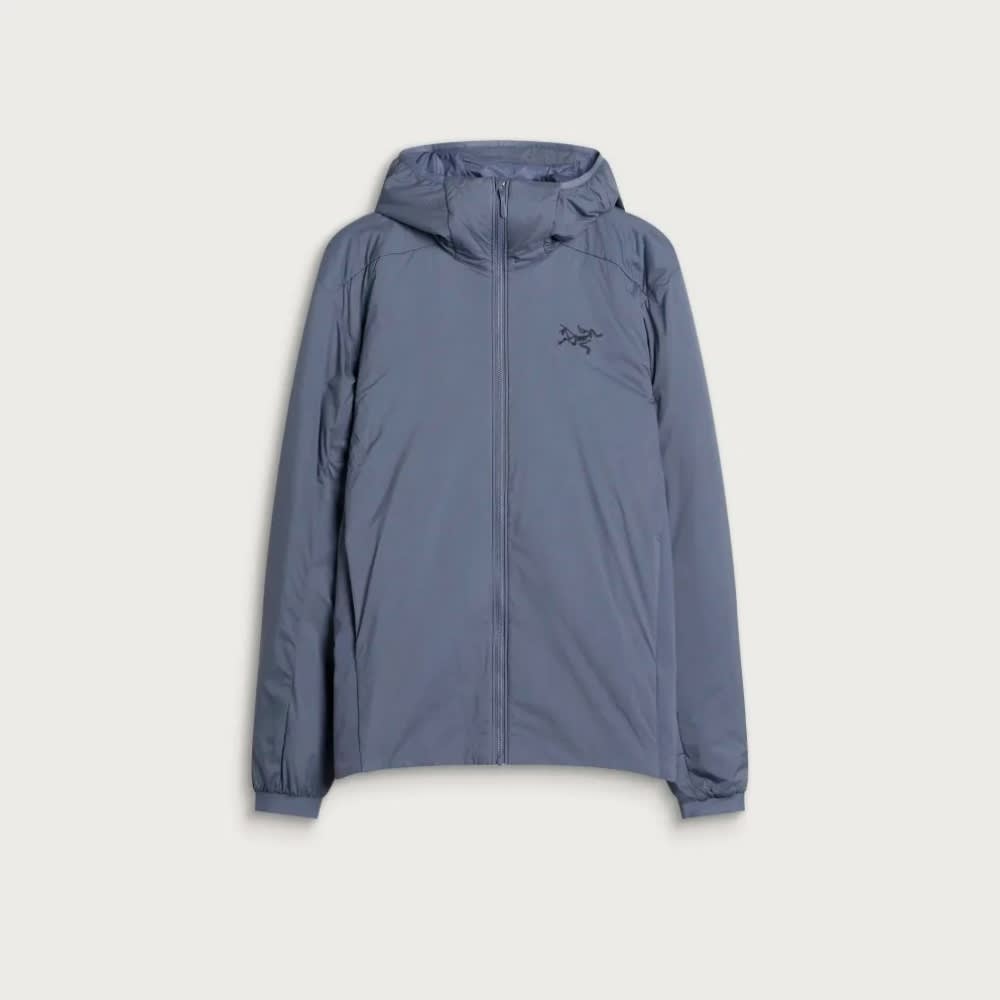
- Atom is Arc'teryx's synthetic insulation family. Warm, packable, and far more forgiving of damp conditions than down, it’s the layer most people reach for as a mid-layer across three seasons rather than a peak-winter piece.
- Cerium is the down equivalent. Arc'teryx's lightest, most packable insulated jackets, built around 850-fill down for warmth-to-weight, with synthetic Coreloft™ insulation mapped into areas like the shoulders and underarms where down performs worse when it gets damp. Arc'teryx calls this hybrid approach Down Composite Mapping.
- Norvan is the trail-running family. Lightweight, breathable shells and insulated hoodies designed to move with speed, with the same Coreloft mapping logic applied to keep runners warm without overheating.
The rest of the range, Proton (hybrid insulation for high-output aerobic activity), Zeta (lightweight hiking shells), and others follow the same principle: Define the activity first, then build the garment around it.
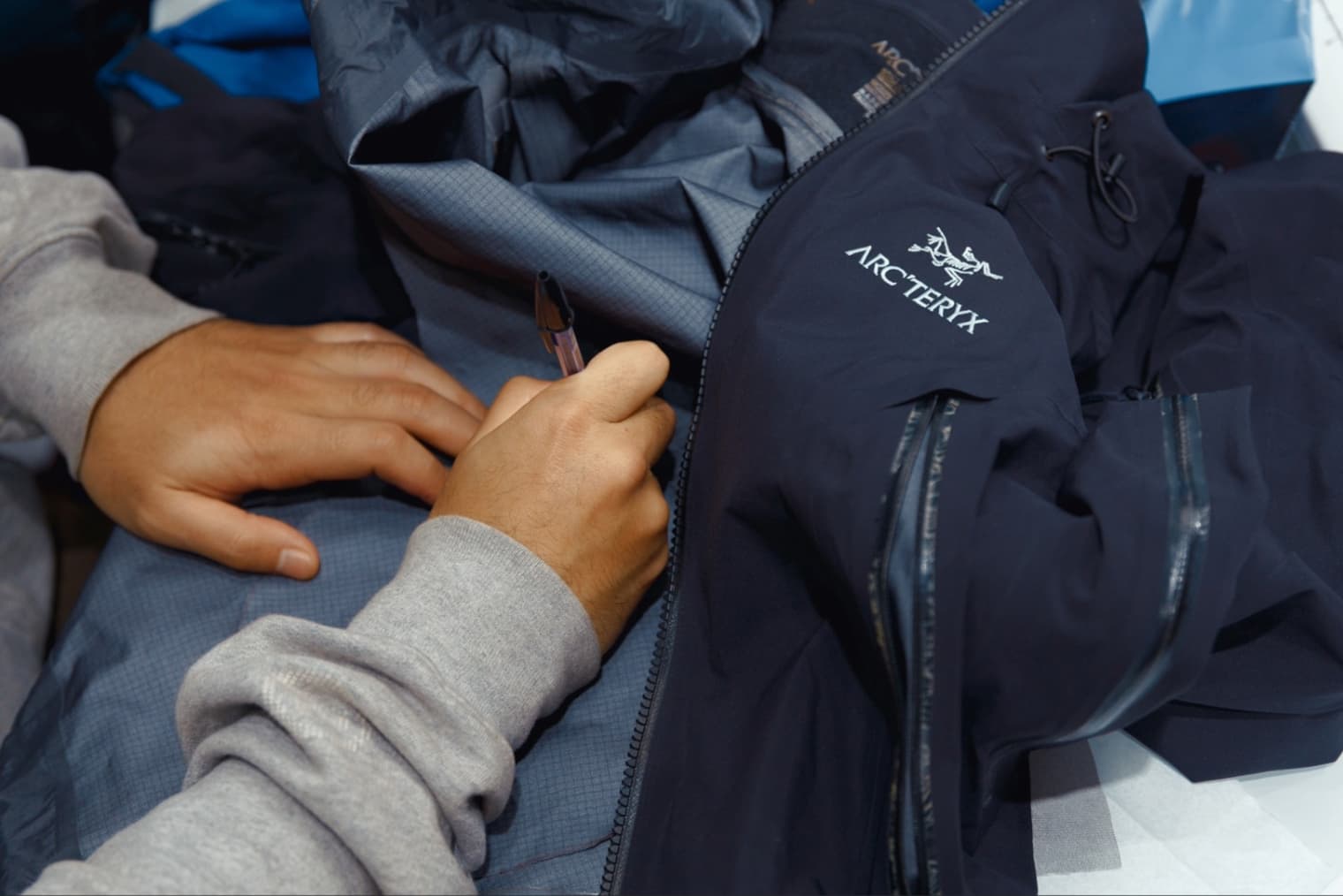
Arc'teryx Technology
- GORE-TEX is the fabric technology behind most of Arc'teryx's hardshells. A waterproof, windproof membrane that also allows sweat vapour to escape, so you stay dry internally and externally. Arc'teryx has worked with GORE-TEX since 1996, and its shells were among the first on the market to use GORE-TEX PRO ePE, a newer, PFAS-free version of the membrane built without the forever chemicals older waterproofing relied on.
- Coreloft™ is Arc'teryx's own synthetic insulation, used across the Atom, Norvan, and Cerium families. Unlike down, it keeps performing when wet, which is why you'll often find it doing the work in high-sweat or high-exposure zones—underarms, shoulders, hoods—even inside a jacket that's otherwise filled with down.
- Thermolamination bonds fabric layers and seams using heat rather than traditional stitching wherever the construction allows it. Fewer stitch holes means fewer potential points where water can get in, and a cleaner finish.
- Articulated patterning is less a single technology than a design philosophy applied throughout the range. Garments are cut and shaped to follow the body's natural movement, rather than flat panels that restrict it.
Why Is Arc'teryx So Popular?
Technical credibility. Arc'teryx's reputation was built by people who actually needed the gear to work. Climbers, ski patrollers, mountain guides. That credibility doesn't evaporate when a jacket ends up on a city street; if anything, it's the reason people want it there.
Genuine outdoor performance. The naming system and family structure exist because the brand designs for specific real-world problems rather than seasonal trend cycles. A Beta AR bought for hiking in Scotland will still be a genuinely capable hiking shell five years later.
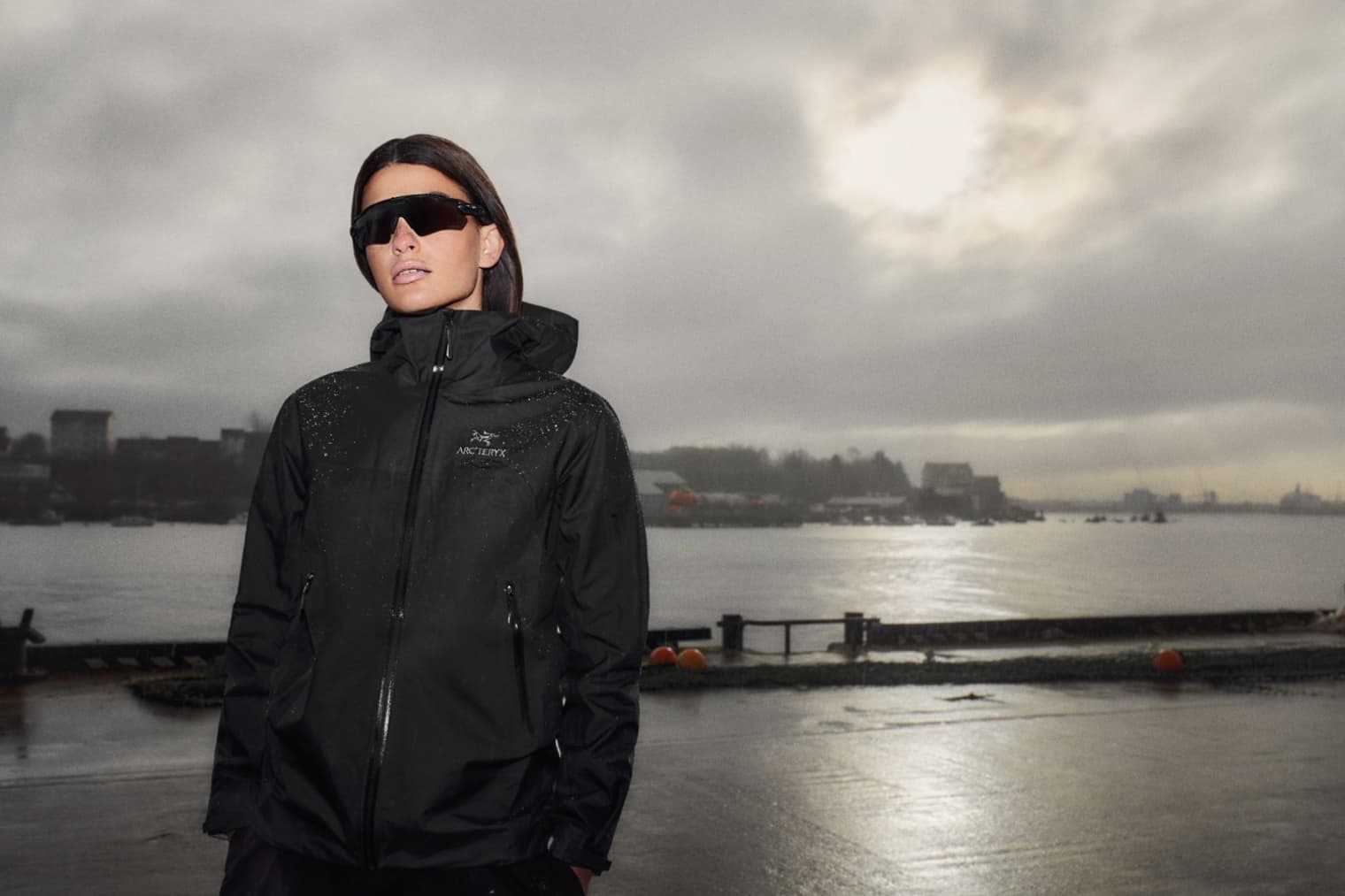
Crossover into everyday and streetwear style. Arc'teryx's minimalist, function-first aesthetic defined by clean lines, curated colourways, and no unnecessary branding happens to align closely with how contemporary menswear and womenswear have developed over the last few years. While there’s a lot of utilitarian outdoor gear on the market, little of it looks as good as Arc’teryx.
The wider influence of technical outdoor clothing. Arc'teryx is one of the brands most responsible for gorpcore moving from niche to mainstream. The idea that a garment engineered for a mountain can also be the most interesting piece in an outfit was brought to the fore by the brand. While fashion has always been influenced by military and outdoor styling, rarely has a brand been directly transplanted from function to fashion. Once Arc’teryx became genuinely fashionable, it opened the door for the rest of the category.
Frequently Asked Questions
Why is Arc'teryx so expensive? Cost comes from the materials (licensed GORE-TEX membranes, premium down, recycled technical fabrics), the construction (thermolamination and articulated patterning take more time and skill than standard cut-and-sew), and the fact that pieces are engineered to be repaired and last for years rather than replaced each season. When you take into account genuine use cases and cost per wear, Arc’teryx really earns its place in your lineup.
What is the difference between Arc'teryx Alpha and Beta? Alpha is built for climbing and alpinism specifically. It’s harness-compatible, minimal, and uncompromising on weather protection. Beta uses the same waterproof foundation but in a roomier, more everyday-friendly cut, making it the better choice for general hiking, travel, and daily wear.
What is an Arc'teryx Atom? The Atom is Arc'teryx's synthetic-insulated mid-layer family. Warm, packable, and more forgiving in damp conditions than a down jacket, which makes it a reliable three-season layer rather than a peak-winter piece.
Is Arc'teryx good for everyday wear? Yes. The same construction quality and weather protection built for alpine use holds up just as well on a daily commute, and the brand's minimalist design language wears easily outside a technical context.
Is Arc'teryx good for hiking? Very, this is its natural habitat. The Beta and Gamma families in particular are designed around exactly this kind of use, with a focus on waterproof protection, freedom of movement, and genuine durability over repeated wear.
Similar Brands to Arc'teryx
Salomon A French sports brand with deep roots in alpine skiing and trail running, known for technical footwear like the XT-6 alongside performance outerwear. Much like Arc’teryx, Salomon's technical output has become equally at home on the street as on the trail.
The North Face Founded in San Francisco in 1966, The North Face built its name on expedition-grade outerwear and has become one of the most recognisable technical brands crossing into streetwear, particularly through archive-driven reissues and collaborations. It’s also one of the earliest brands to draw a connection between the outdoors and the street, with collaborations forming a substantial part of its cultural cache.
Norda A newer Canadian trail-running brand built around premium materials and a design-forward approach to performance footwear. This offers a smaller, more specialist counterpart to Arc'teryx's Norvan running family.