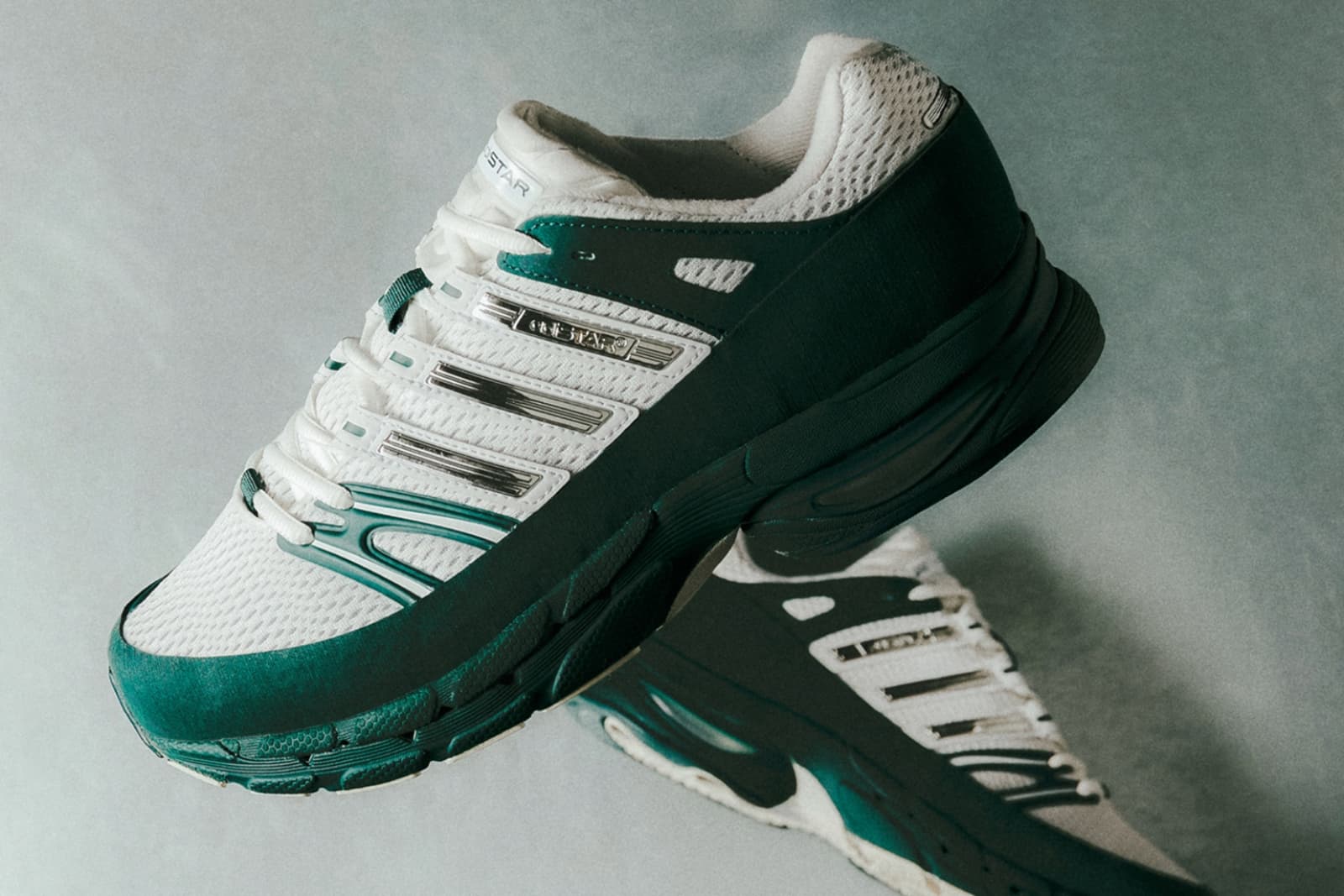
BUILDING LONGEVITY WITH BOUND'S JAKE MESSER
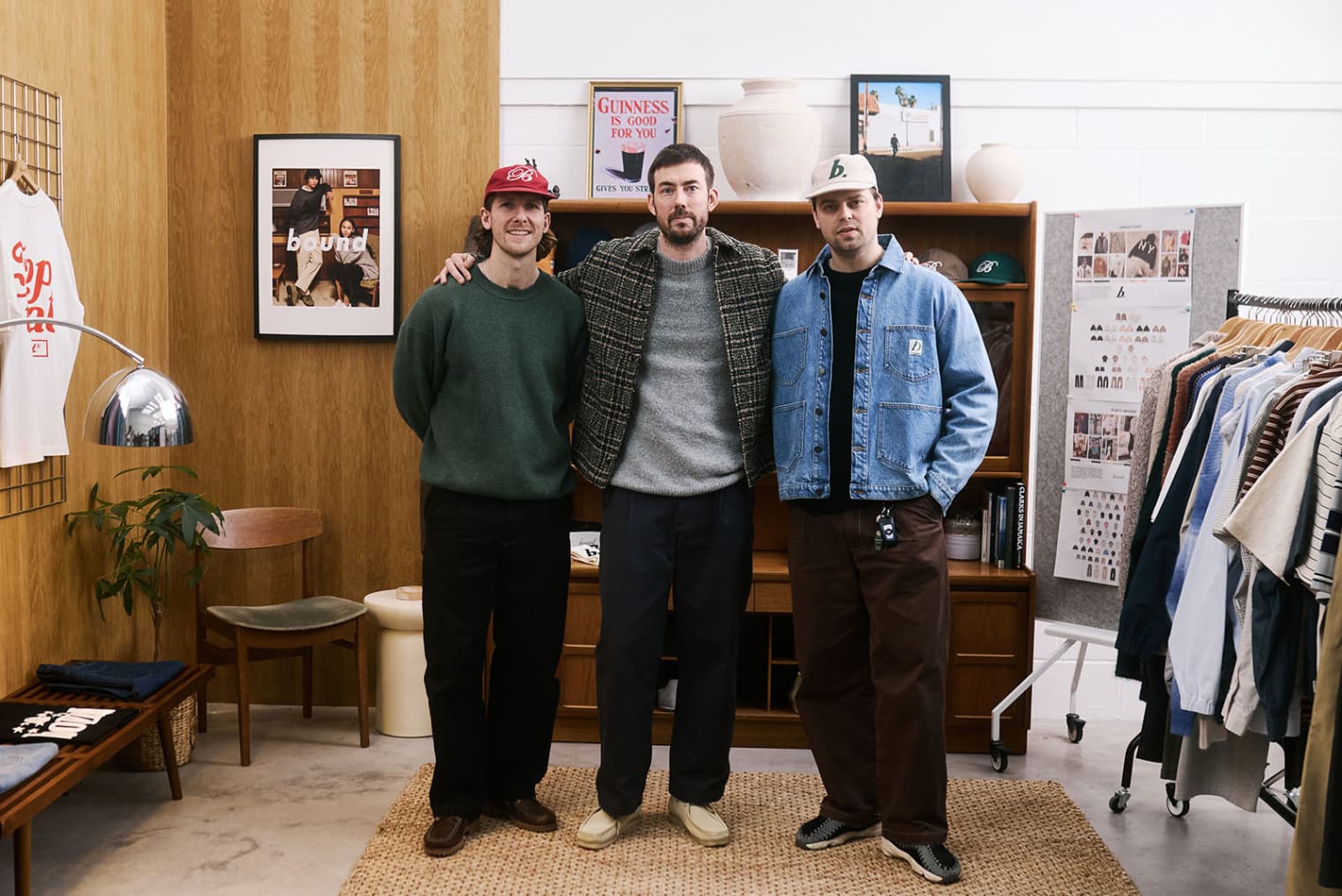
10 February 2026Visiting Bound's HQ on the outskirts of Manchester, we caught up with founder Jake Messer to discuss the brand's formation, what guides their aesthetic and the creative influence of Manchester.
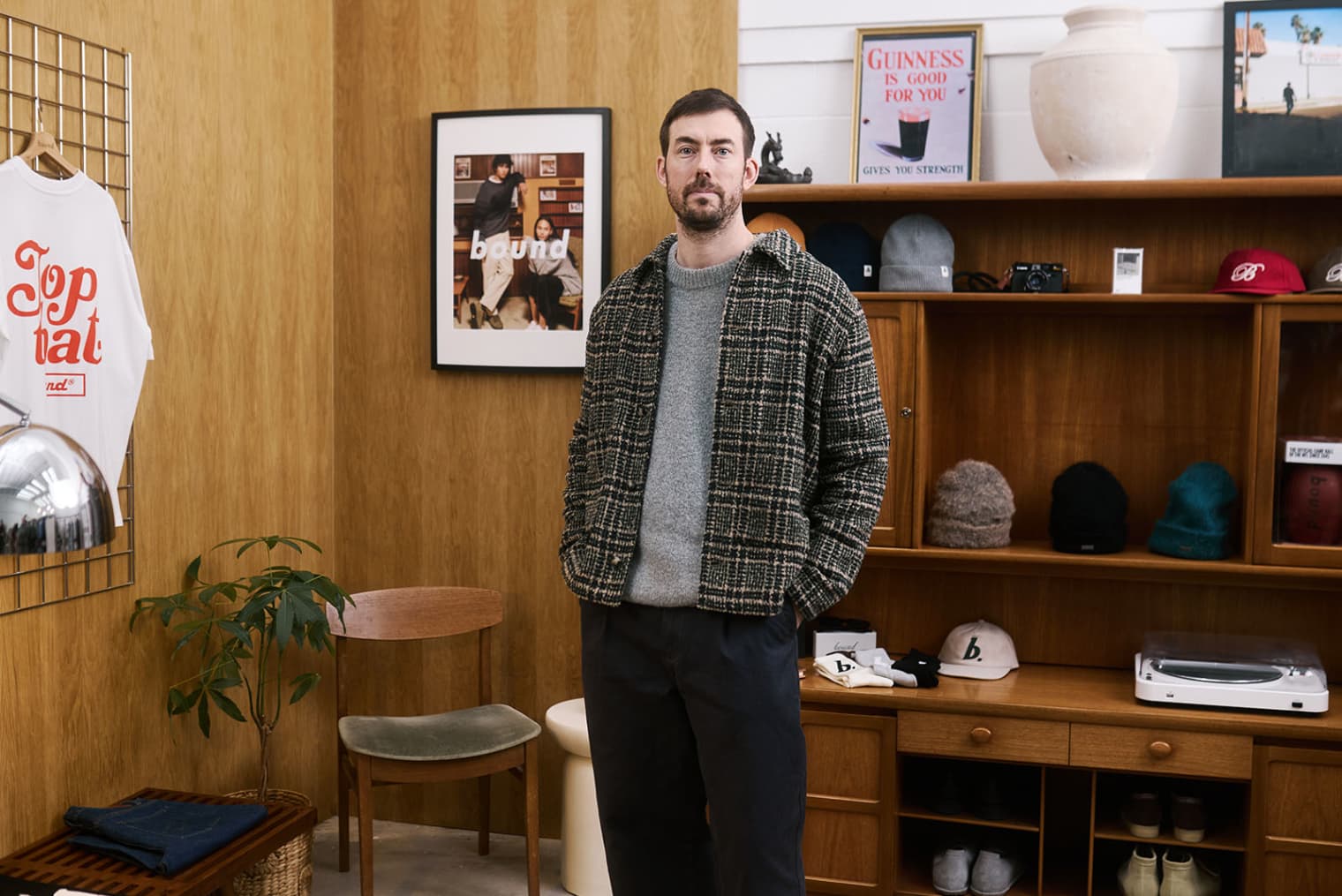
Founded in 2018, Bound has spent the past few years quietly building something lasting. Established by Jake Messer in Manchester, the brand was born from his own personal taste and approach to dressing — tasteful, contemporary and laded with subtle references to music and film.
Connecting the shared threads of contemporary menswear, streetwear and wardrobe staples, Bound’s approach is a holistic one, marrying a shifting stylistic sensibility with seasonal colour palettes and a steadfast focus on delivering exceptional quality. Dedicated to cultivating an aesthetic that is refined yet casual and inherently wearable, Jake’s modus operandi with Bound remains the same in 2026 as it was when he started the brand eight years ago: to create clothing that he wants to wear.
Visiting Bound’s headquarters on the outskirts of Manchester, we spoke with Jake to get to the heart of his brand, what guides his creative process and the impact being based in Manchester has had on the brand.
You founded Bound back in 2018 – what initially inspired you to start a brand?
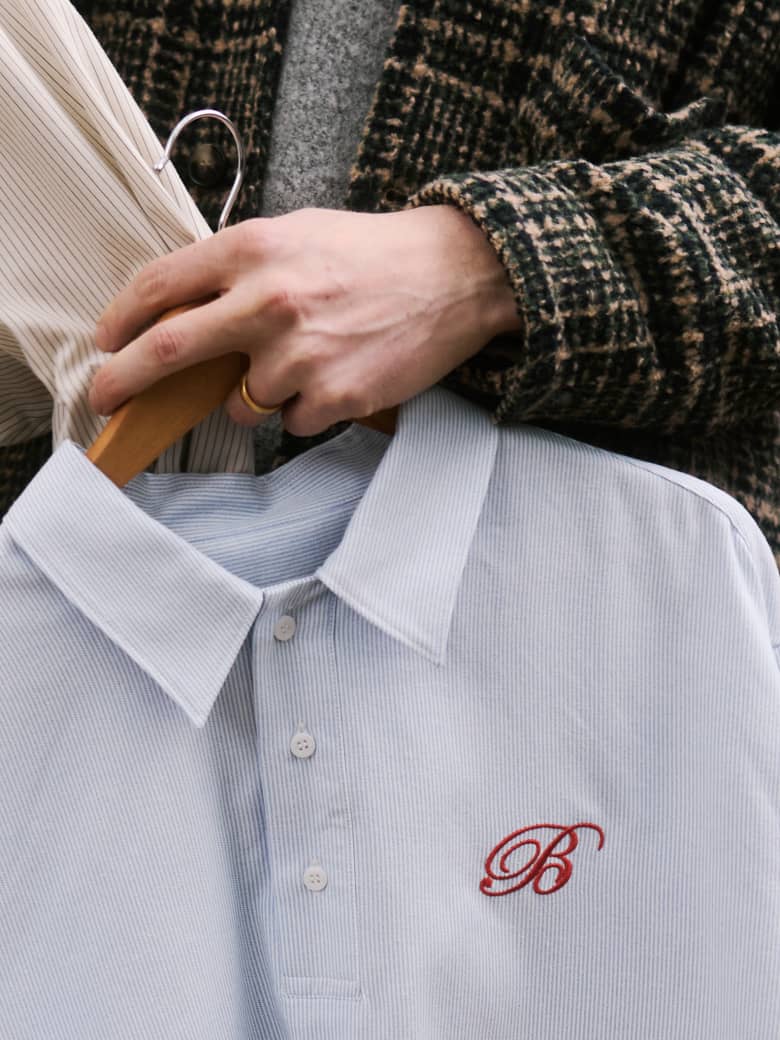
I was already in the industry, and I was making a lot of printed t-shirts at the time with my first business. Ultimately, I just got to a point where I was thinking, “I quite enjoy doing this now. I want to start progressing and elevating my skills.” For me, it's always been about designing what I want in my wardrobe. So, if I had a gap in my wardrobe of something I wanted to wear, I wouldn't go out and buy it from X, Y, Z brand. I'd say, “I'm just going to make it” and go and learn how to make it. At the time, I was really into oversized striped tees — around seven/eight years ago when I started the brand — so I went to source some really nice striped fabrics and make the fit that I want. And that was it, that's how it started. I made these striped tee samples and then they're still here now and they're a staple of the brand. That was what kicked me off, really, basically wanting to make clothes that I wanted in my wardrobe and wanted to wear personally.
Have you found that the brand is still mostly guided by your own personal taste?
For me, it feels like it's been a long journey, but also at the same time, it feels like every year is a new year that we start. I always say this, but the first three years were just me figuring out what the fuck I was doing, basically. Reflecting back, it was clear that actually a brand doesn't have an identity in that first year. I know that it's very different now with a lot of influencer brands that hit the market and scale from 0 to 100 in their first month. I'm very different to that. I've always been behind the scenes and knew that time needed to take its toll for me to figure out what the brand was and what the identity was. I don't think the first three years really count because I was just figuring out what the brand was, what the products were doing, what the story was, what the vision was, where I wanted it to go, which is why a relationship like this [with END.] is so perfect that it's come, not in the first year, but seven years down the line, because it now feels like the time and the moment is right for the brand. It's really matured. It's really developed. I needed to do that personally with my skills and experience, because I've got no fashion background before starting this. So, it wasn't like I was a designer for another brand and took that brand but added my own sort of DNA. It was just me figuring it out and that takes time.
But I think that slower pace, the longevity game is what it is all about and that's how we've got that returning customer. Our loyal customer base is just unbelievable, and that's been built from day one to now. But even the guys that come in and have just found us in this last year, for example, they really buy into it because it's never been just about hype. It's always been about the style, the quality, and the originality first and that's what it is for me, too. That's where I want to see this in 5, 10, 20 years' time, not just a quick three years. “This has been fun. I've enjoyed sticking this on my Instagram.” That's not what it's about for me.
Was fashion something that you had always been interested in?
I was always quite heavily into specific brands as a kid and every year for about 10 or 12 years, from being 8, 9, 10, I'd always have a Lacoste polo shirt. Every birthday, I'd have a different colour. I was also into brands like Fred Perry and had a pair of Rockport shoes, so I was always subconsciously into fashion but never knew that it would be my career. I was very business orientated but was probably a little bit more sporty and thought I would end up in some sort of sports capacity over fashion, so it was a strange one, really, to end up in it but I knew that I always enjoyed it. I wasn't the most creatively fashionable person but I knew that I loved brands and how brands worked.
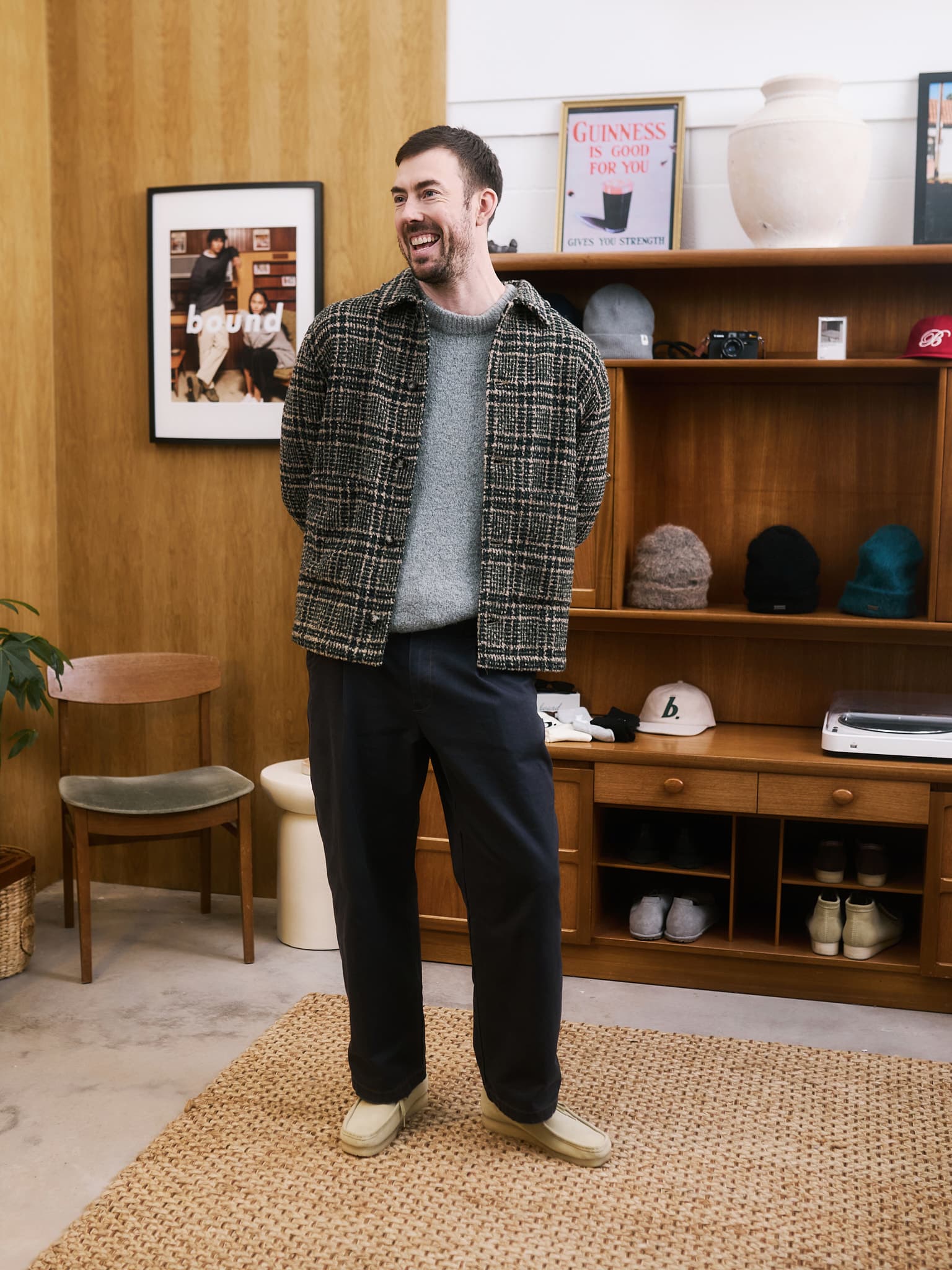
"The fundamentals I learned and applied to Bound straight away were: get your story right, be passionate about your product, release the things that you want to release and see in your wardrobe."
You had previously founded retailer UN:IK before starting Bound — how did running that business prepare you for when you launched Bound?
When I started UN:IK, the same as with Bound, I didn’t have a clue what I was doing. It took a long time to figure that out. It was a completely different era. Instagram had only just been born — all these brands were being successful on Tumblr and Facebook groups. There weren’t a lot of brands doing it and there aren't a lot of brands still about now from 2013 that are still actually successful. A lot of them have had those couple of years, finished it and then have gone on to do other things, but they're two very different businesses and they're two very different playing fields. With UN:IK, I was taking graphics and designs, and building brands with other individuals. I was influencing it still, but basically was being given a lot of the creative direction myself, but the fundamentals I learned and applied to Bound straight away were: get your story right, be passionate about your product, release the things that you want to release and see in your wardrobe. That's been a rule of thumb for both businesses. If I'm not passionate about the product or the brand or the design or whatever it may be, then it doesn't fit the bill. I've got to be fully behind it and if other people aren't, then that's fine. I know I have to be confident in the product that I'm making, that other people are going to enjoy it as well and hopefully people can see that passion.
Pulling from a variety of influences across your product offering, Bound feels contemporary, but it draws from different eras and styles. What would you say your biggest influences in design are?
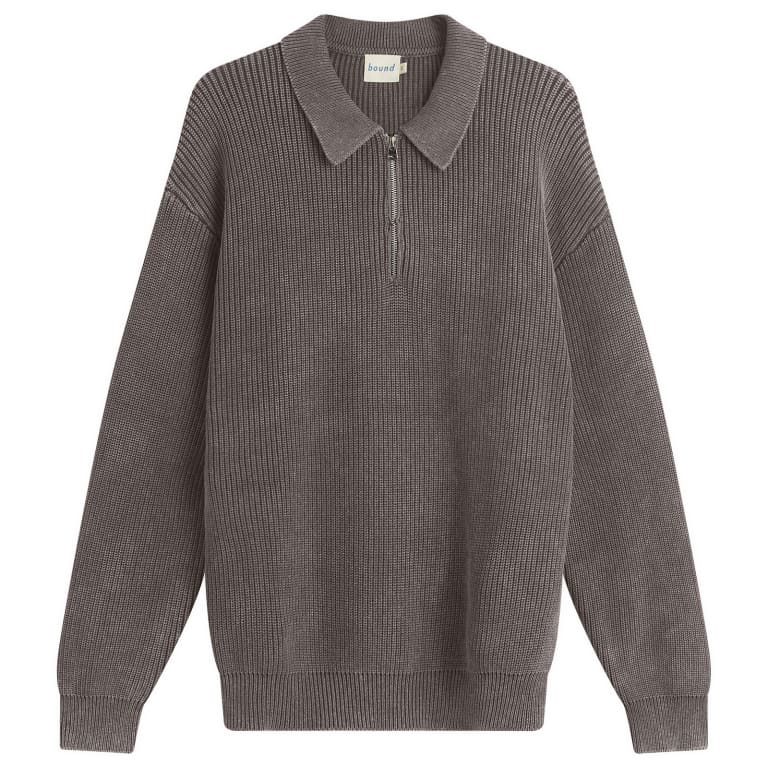
I’m very much driven by TV, film, and music. A lot of my wordplay and product names, I just get randomly from music lyrics. I've always been like crazy into music and sometimes get very absorbed into specific songs — it makes my ADHD brain just go a little bit wild. I know a lot of this is quite a common theme that people reference, but The Talented Mr. Ripley, for example, that inspired a lot of knit polos and that kind of direction that we have. But sometimes I'll be there with my wife just watching a film and I'll pause it, take a photo of the polo on the TV and then come in and rework that or use that as inspiration for a new style. So, a lot of it is very heritage, from the 80s, 90s, early 00s, and I try and bring that back. I reference that a lot for Bound being timeless. So, if you go back in time and bring that to now, it often quite fits that bill. Less people are probably sharing those reference points, because there's obviously so much in the archive of film and TV that it's very rare that you'd have other people looking at the exact same references. Obviously it all fits within a specific sense of style and an era, so, you're influenced almost by the era rather than necessarily the person.
Bound’s use of colour is quite striking, with the palette often employing bright hues coupled with more pared back tones. What inspires your choices in colour?
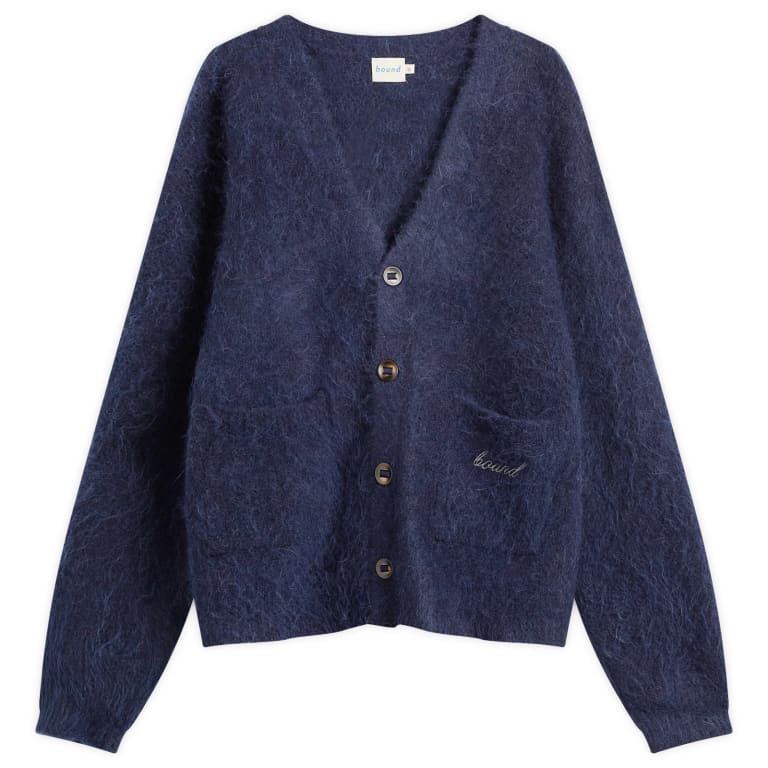
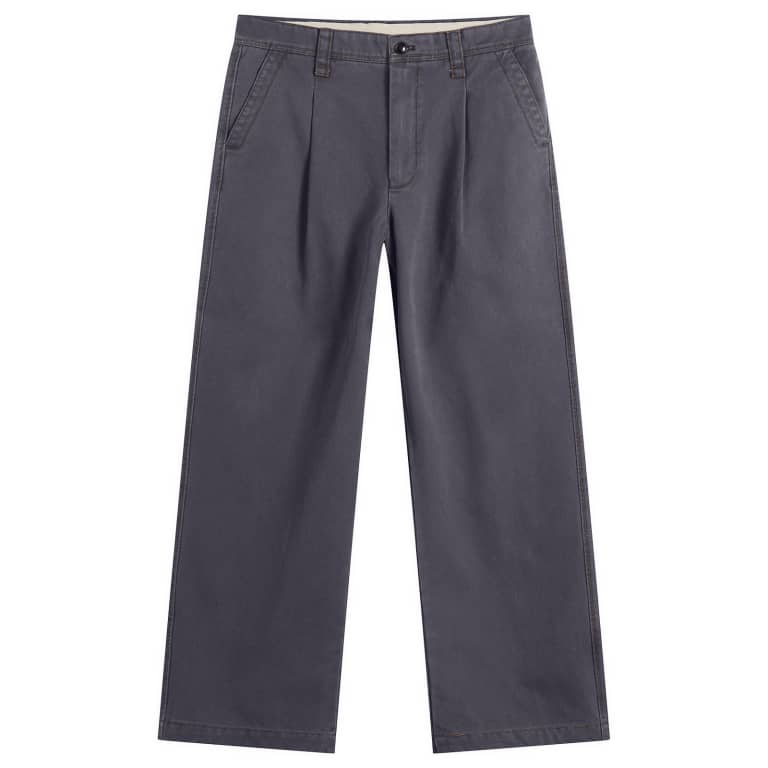
I'll obsess a little bit about a colour every year, but it will always change. So, this year, the spring summer collection is heavily centred on blues because we've almost gone for a little bit of a marine inspiration. We're talking about shooting the campaign and the story in Porto, which traditionally brings to mind the river and the sea. That just naturally fed a lot of blues into the collection. It generally just depends how I'm feeling. I don't know why I gravitate towards certain colours at certain times. There's no set rhyme or reason to it. It just kind of happens. And then I'll design a collection and go, ‘Jesus Christ, we've got loads of brown there,” and I don't know why! Now, as my design skill set and creative brain develops further, it's all about building cohesive collections that flow with the colours. We’ve just brought in a new designer in the back end of last year called Annie, and she's actually got eight years of design experience, unlike me, I'm a bit of an amateur, but she does things properly. The main thing with Bound is about being able to put trousers and shirts or tees together and that being affordable outfit for your modern guy. Colour combinations are really key to that.
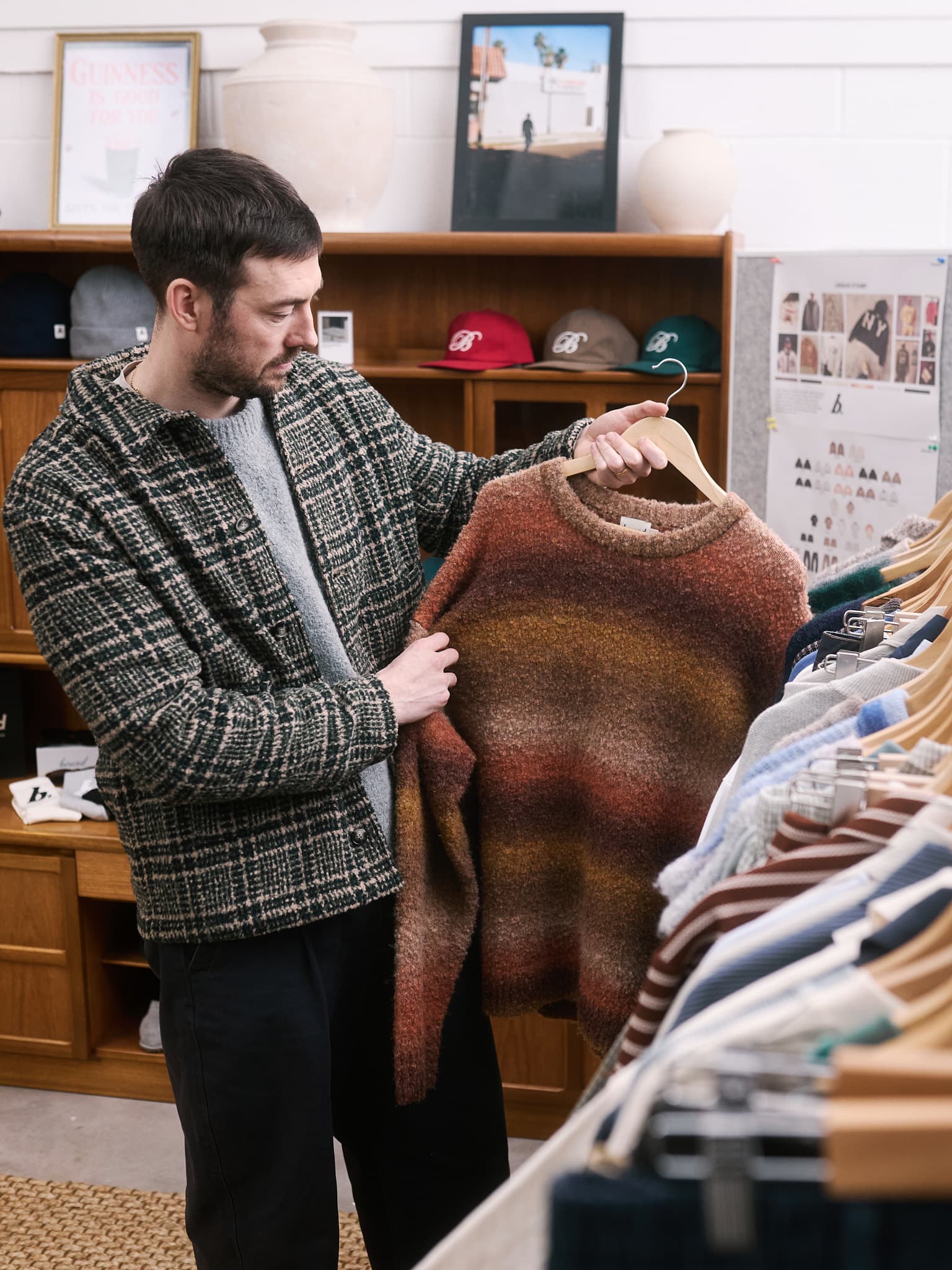
"When you come to Manchester, you see all these different subcultures, the different ways that people dress and you can't not fall in love with that and be inspired by it."
How much does where you are based influence the brand’s output?
I love Manchester. The only reason I'm not now an adopted Mancunian is because I support Liverpool, so I can never truly be one. I first fell in love with the city when my brother came to uni here, and I came to visit him. We were bang into music from growing up together, so we used to come to Manchester for gigs all the time. From when we were 14 years-old onwards and we just fell in love with the Manchester music scene. I was thinking “I've got to get myself there”, so I came to uni here as well. I've lived here for about 15 or 16 years and have moved to all different parts of the city, from student digs to the centre and then now living in Chorlton, which has got its own culture and heritage there. I feel like the city has had such a big impact on me. Shrewsbury, where I’m from originally, is a little town — the fashion is very plain and simple, it's not really out there — but when you come to Manchester, you see all these different subcultures, the different ways that people dress and you can't not fall in love with that and be inspired by it. END. coming to Manchester was a huge thing because there just wasn't a lot like it. We had Oi Polloi, and obviously we know what's happened with that. Manchester is great for restaurants, great for cafes, but we need more independent brands having flagships like they do in London. Everyone gravitates to set these things up in London, so fingers crossed as time progresses, hopefully we'll have a flagship up here. I’d love to do that in my adopted hometown, even if I’d stick a Liverpool scarf on the wall.
Over the past ten years, Manchester has become a highly prominent fashion hub in the north of the country – what has made the city such an exciting place for new brands entering the industry?
Obviously, Manchester has always had a big cultural impact — the music heritage has always been a big part of the city — but there’s a really widespread number of fashion brands here now, some really big ones that weren't here 6, 7 or 8 years ago. When I started, there weren’t really many other brands knocking about in Manchester, and now you've got brands that really do tie into the culture of Manchester. I just think London needs a little bit of competition and the north always had that quiet arrogance about it and now has said, “we're going to challenge London and really showcase what we can do” and put it on the stage. That was a turning point. I think it was always there — people were always doing these types of things, but it just came to the surface and now I would say the competition up here is as good as down south, without a doubt.
You launched your Daily Sustain by Bound continuous collection a year ago. What inspired your approach with this product offering?
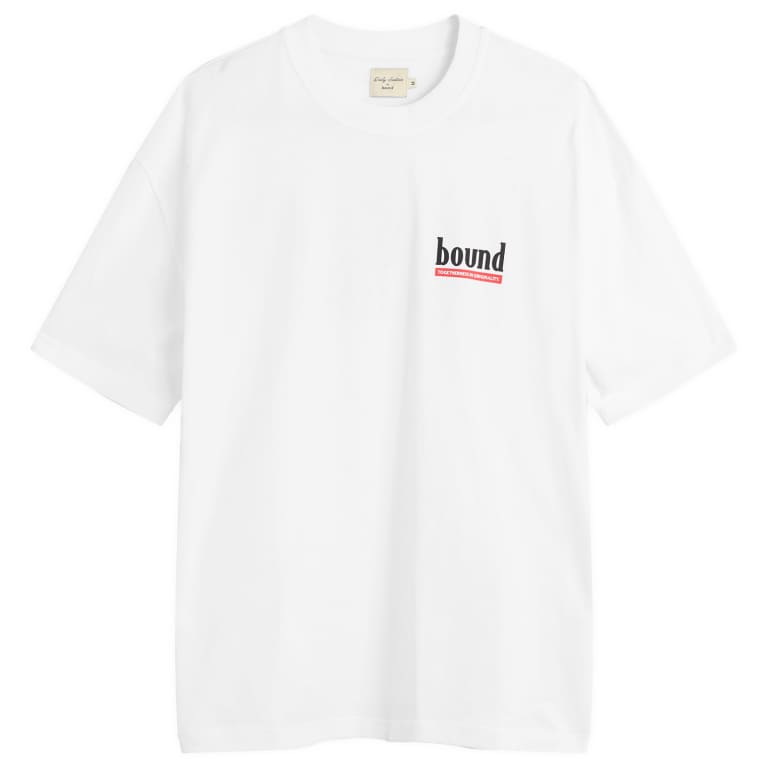
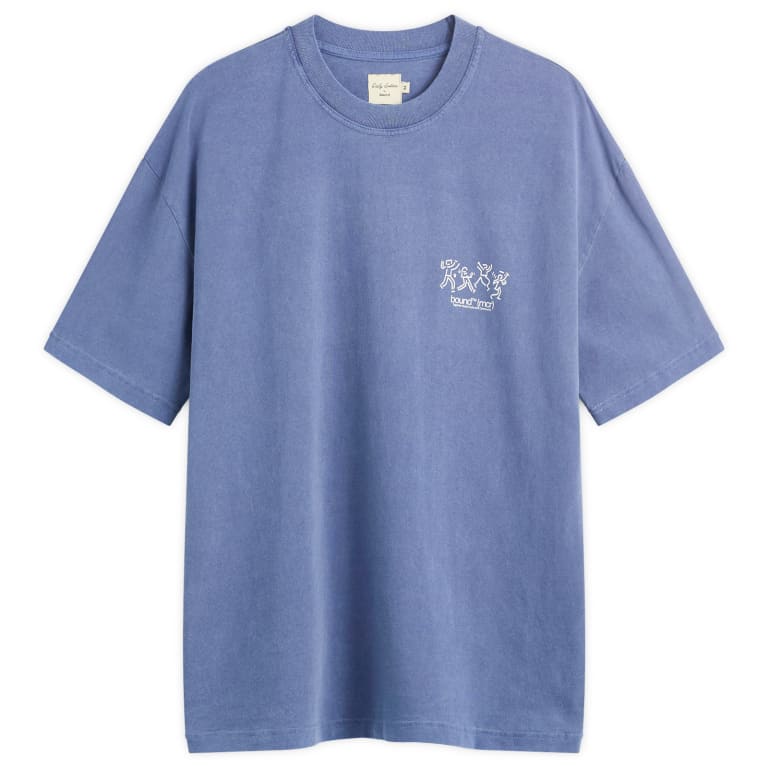
Jersey is an easy purchase for people — everyone needs new t-shirts and joggers are a huge part of modern fashion and what people wear. The comfortable side of things. I was asking myself how do I make that work for Bound, how am I going to do it differently, how do I make it work for our audience and customers? For me, it was all always about sourcing organic and sustainable fabrics, dyes, print houses and family-run print house, so I flew out to Portugal and used a completely sustainable factory that sourced sustainable and organic fabrics and then used a local print house. If we're going to do it that way, then that's our USP: it's a more conscious and sustainable way of sort of producing. That was the backstory behind Daily Sustain because it's your everyday pieces that you're going to wear when you get home or you’re running to the shops. I wanted to do it properly rather than just buying blanks or doing it really simply to make money from. It was learning and experiencing a new way of making product that was elevated to the way that I was doing it before.