THE ART OF EVERYDAY UNIFORM: RONNING
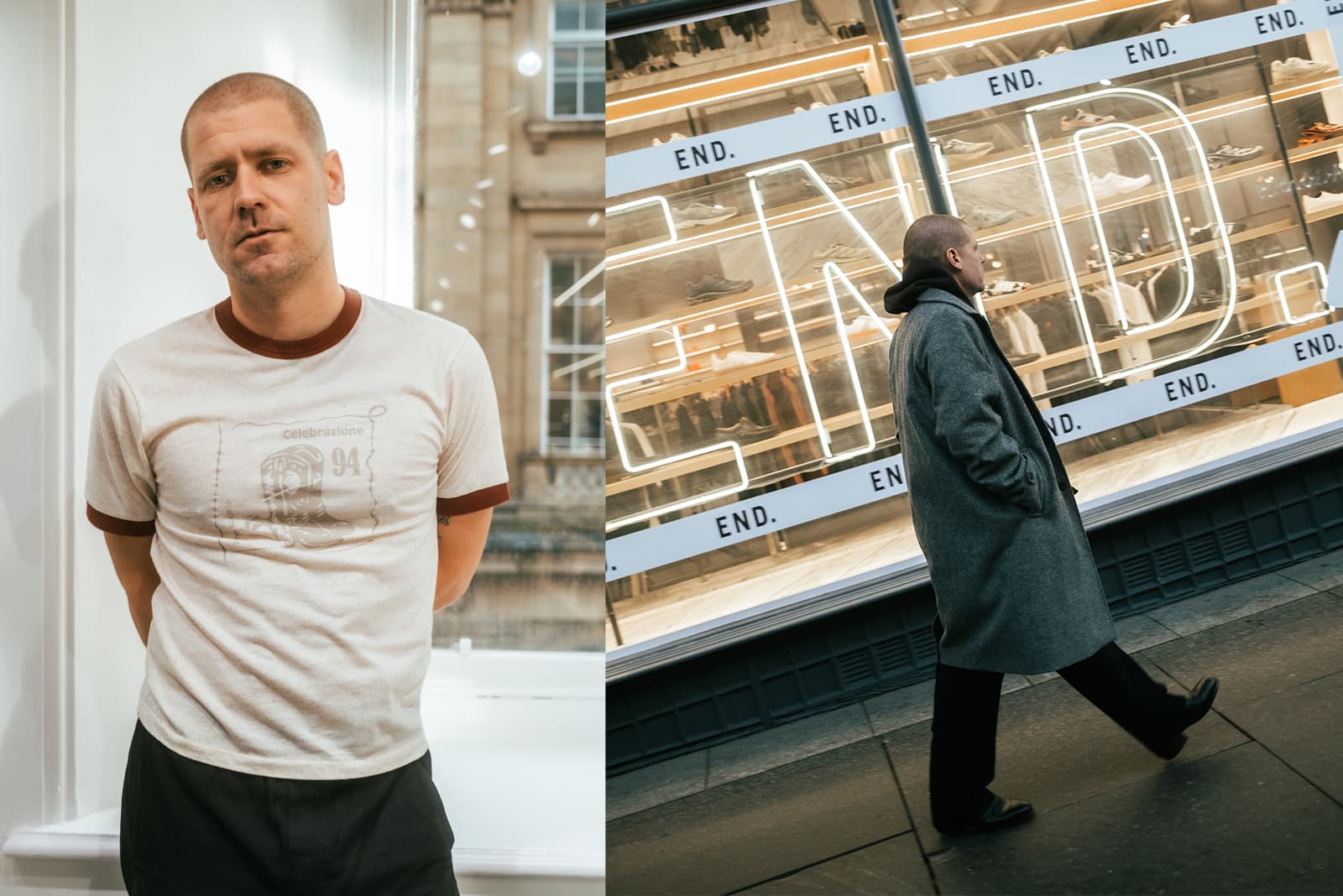
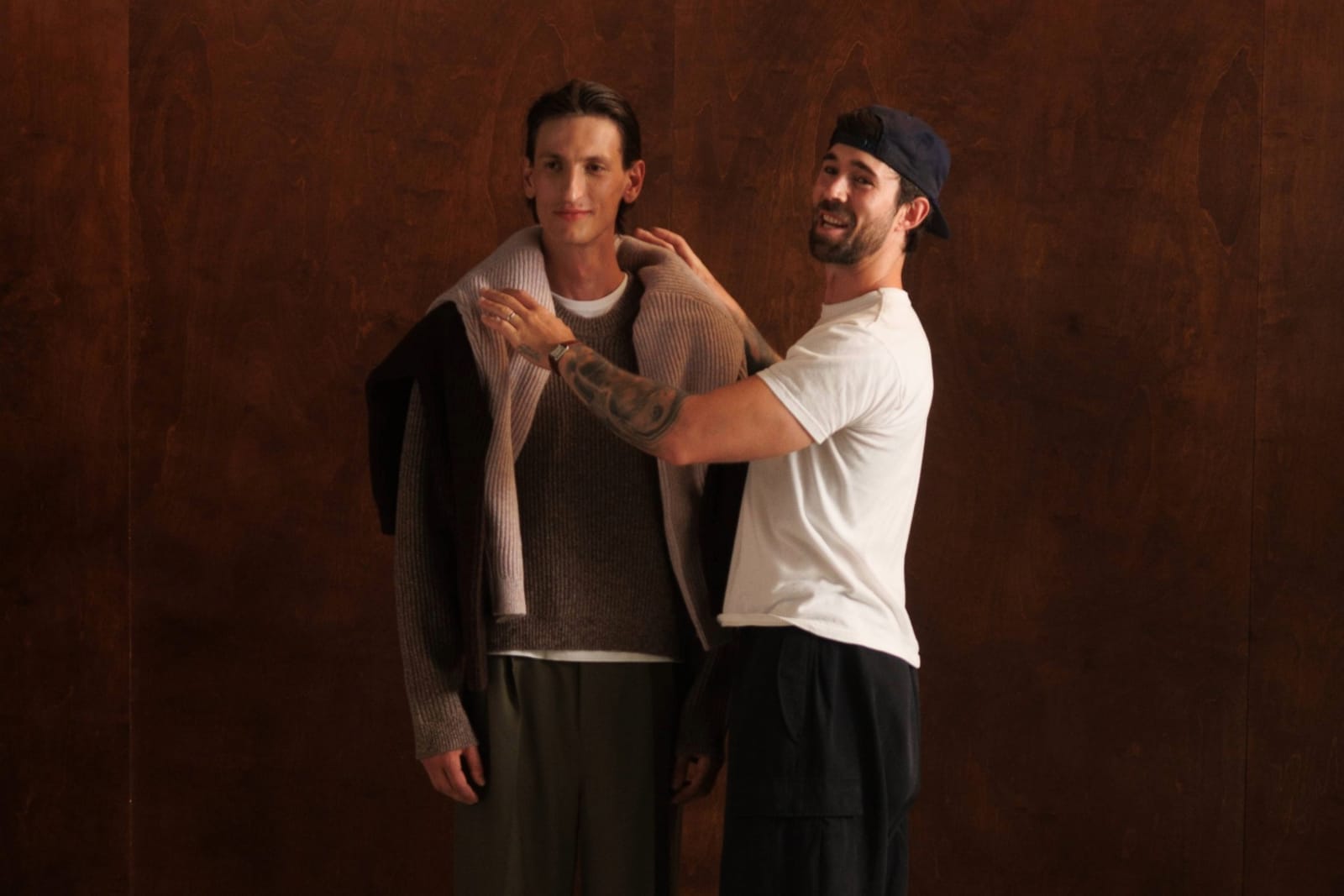
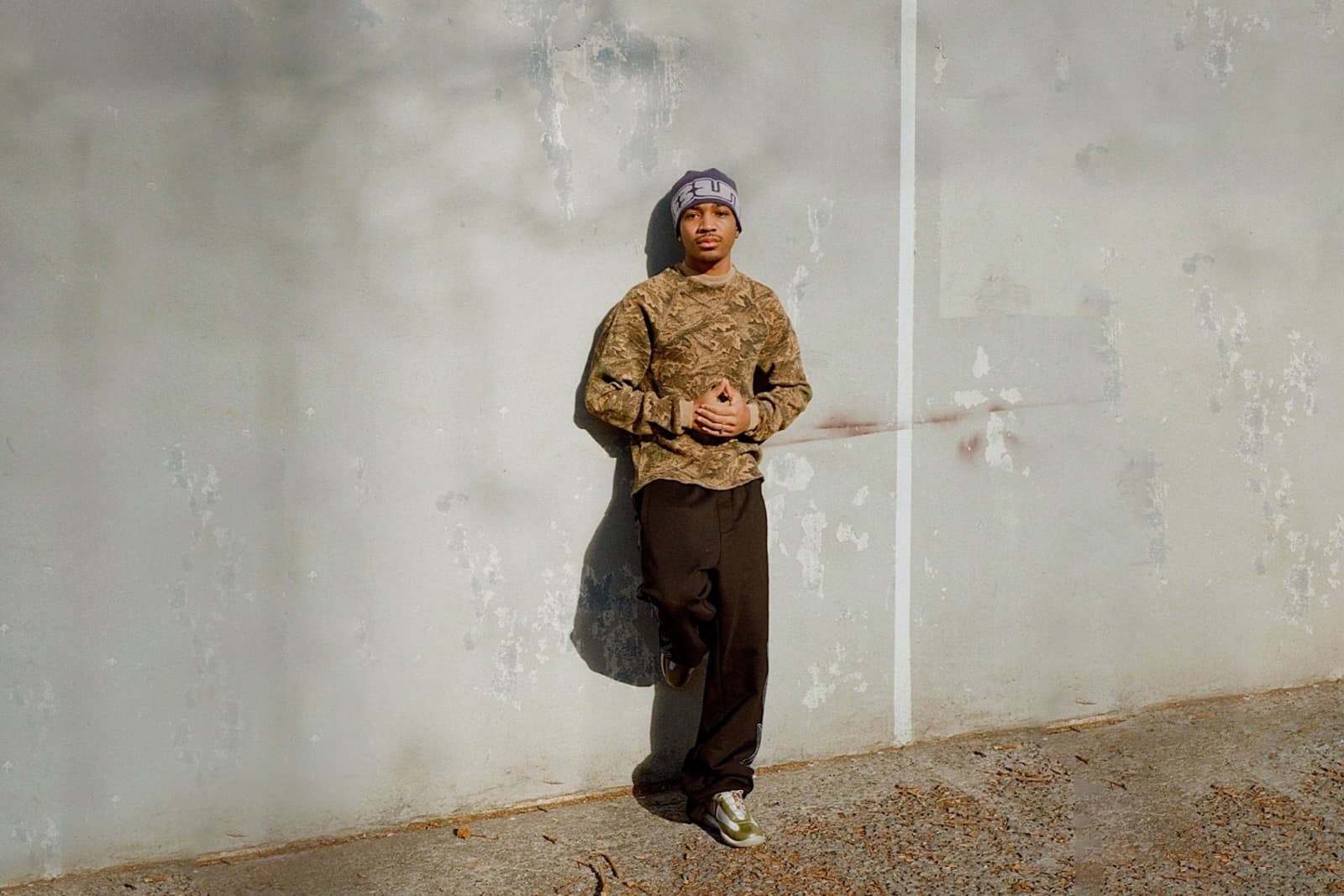
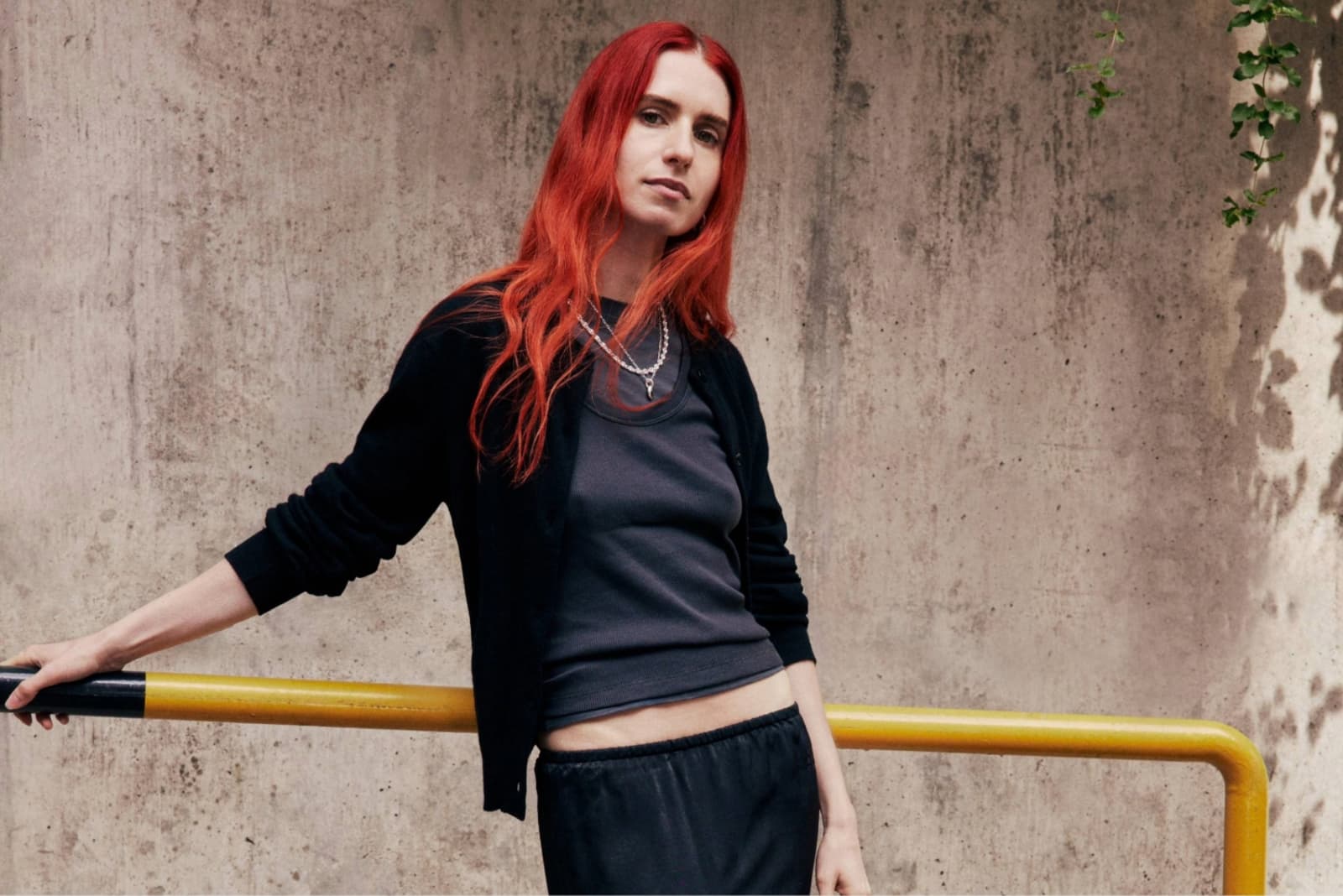
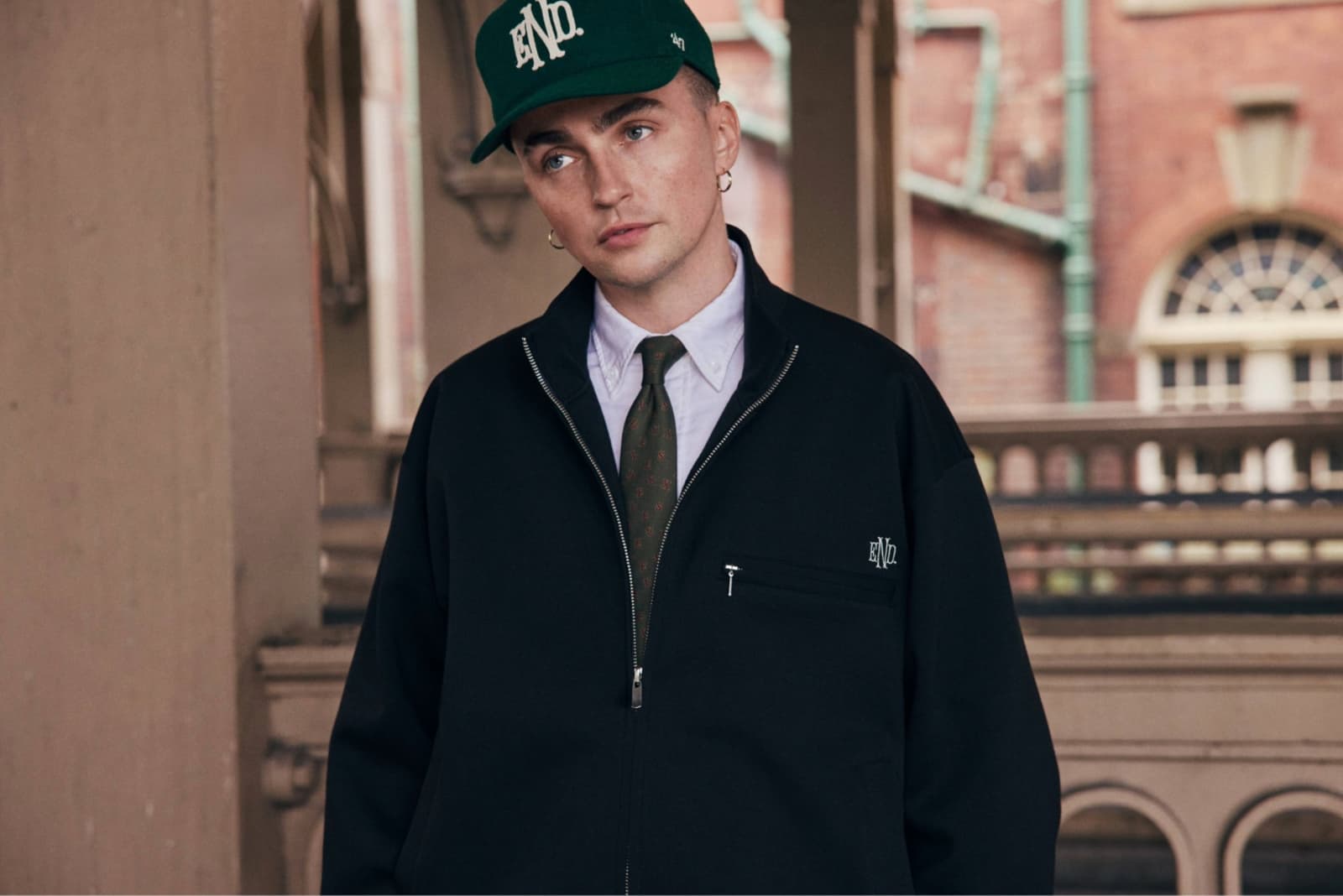
30 March 2026Visiting Magnus Ronning at his eponymous brand's store in Soho, we explored the brand's stripped back approach to contemporary menswear.

Originally rising to prominence through his YouTube channel, Magnus Ronning has been a steadfast figure within fashion culture for close to a decade. Renowned for documenting streetwear during its meteoric rise in London’s fashion hub, Soho, the Danish-born but London-based personality has made moves in recent years, setting his sights on a brand of his own.
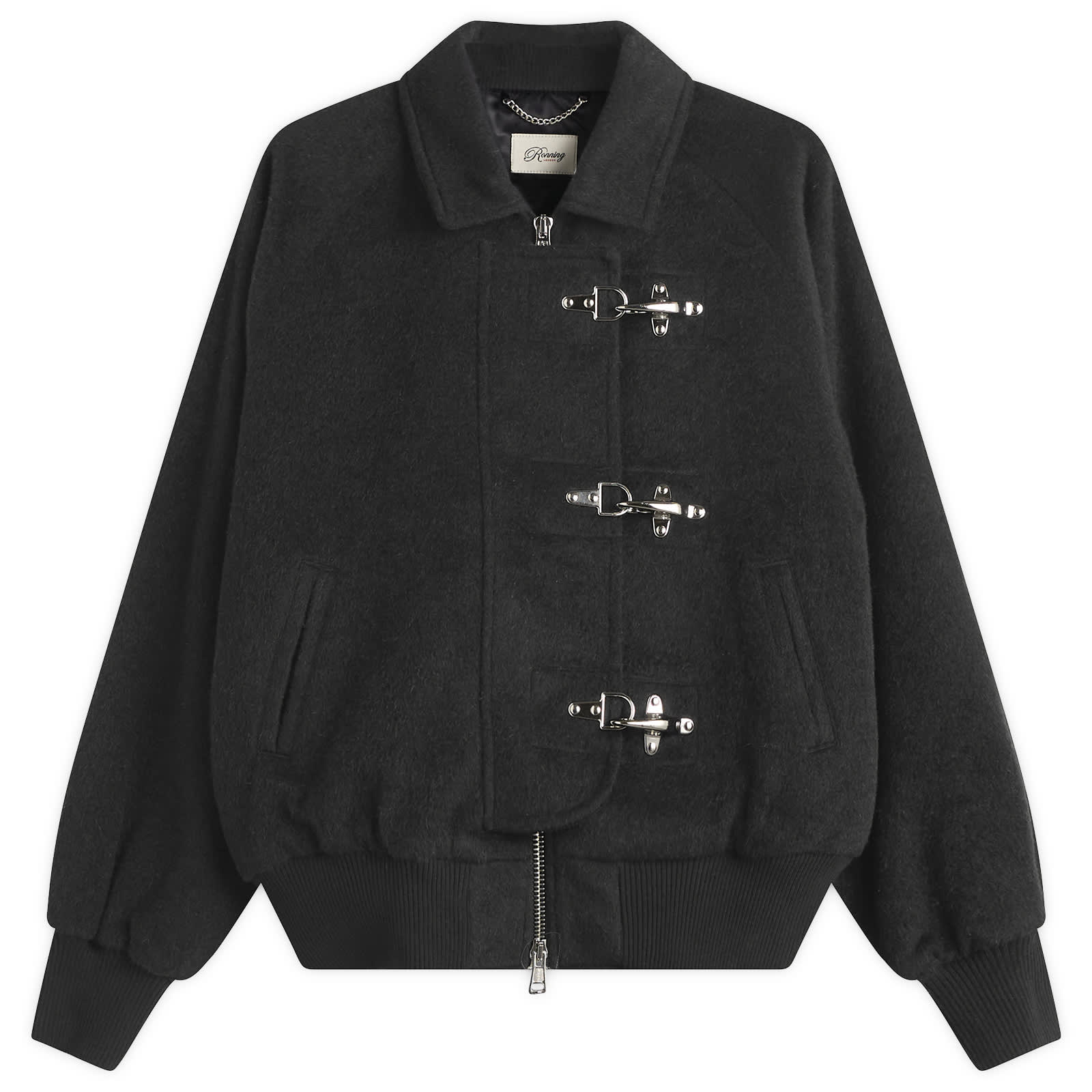
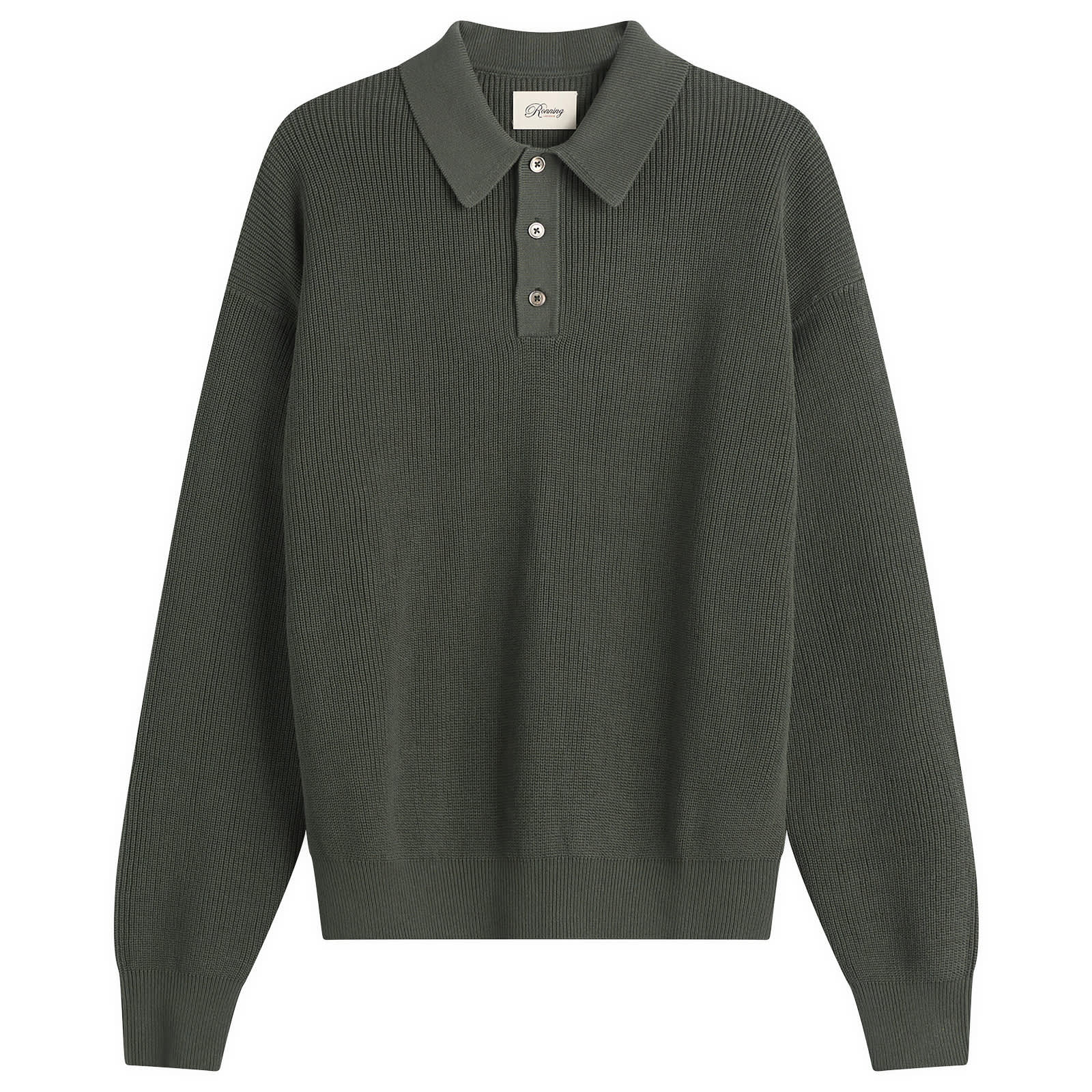
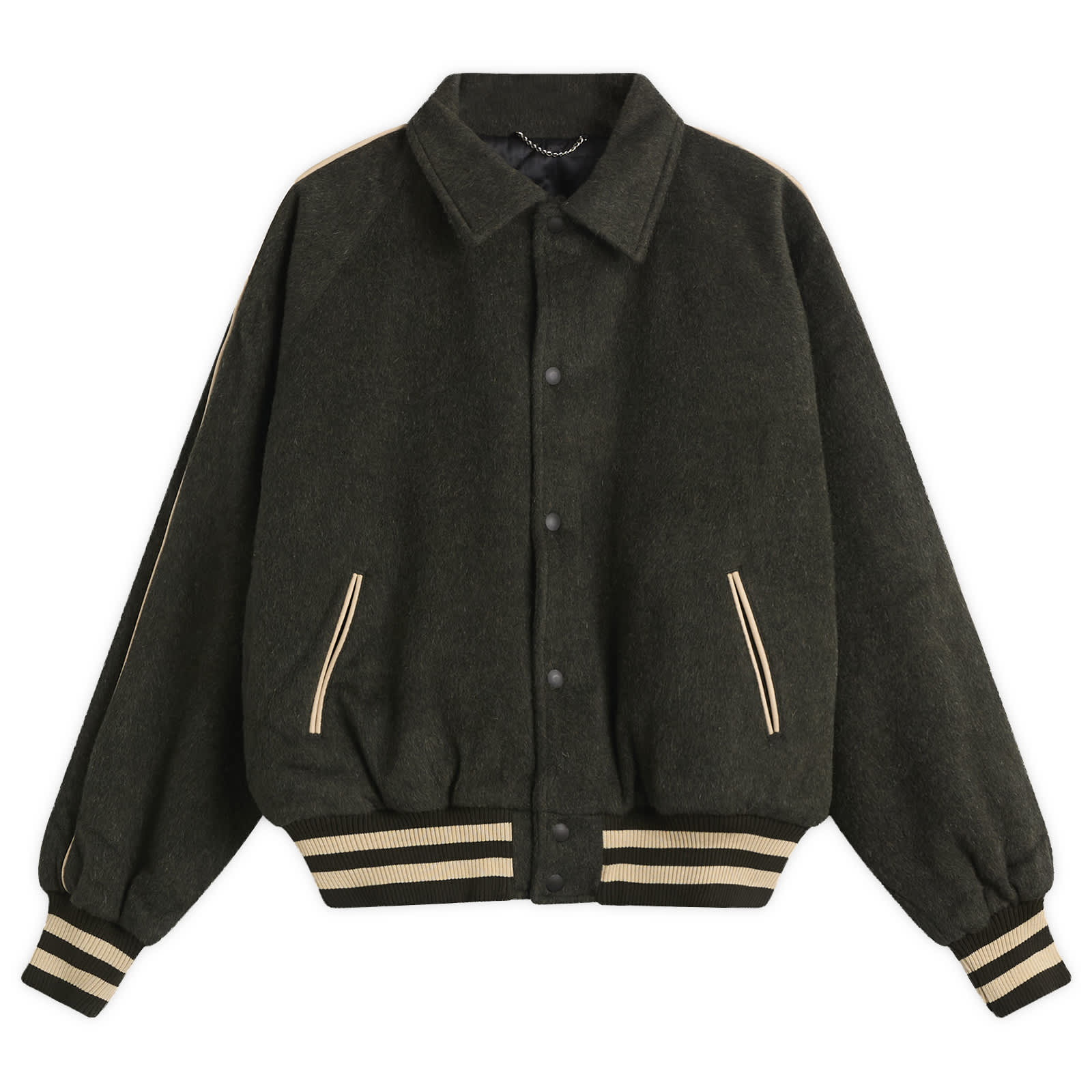
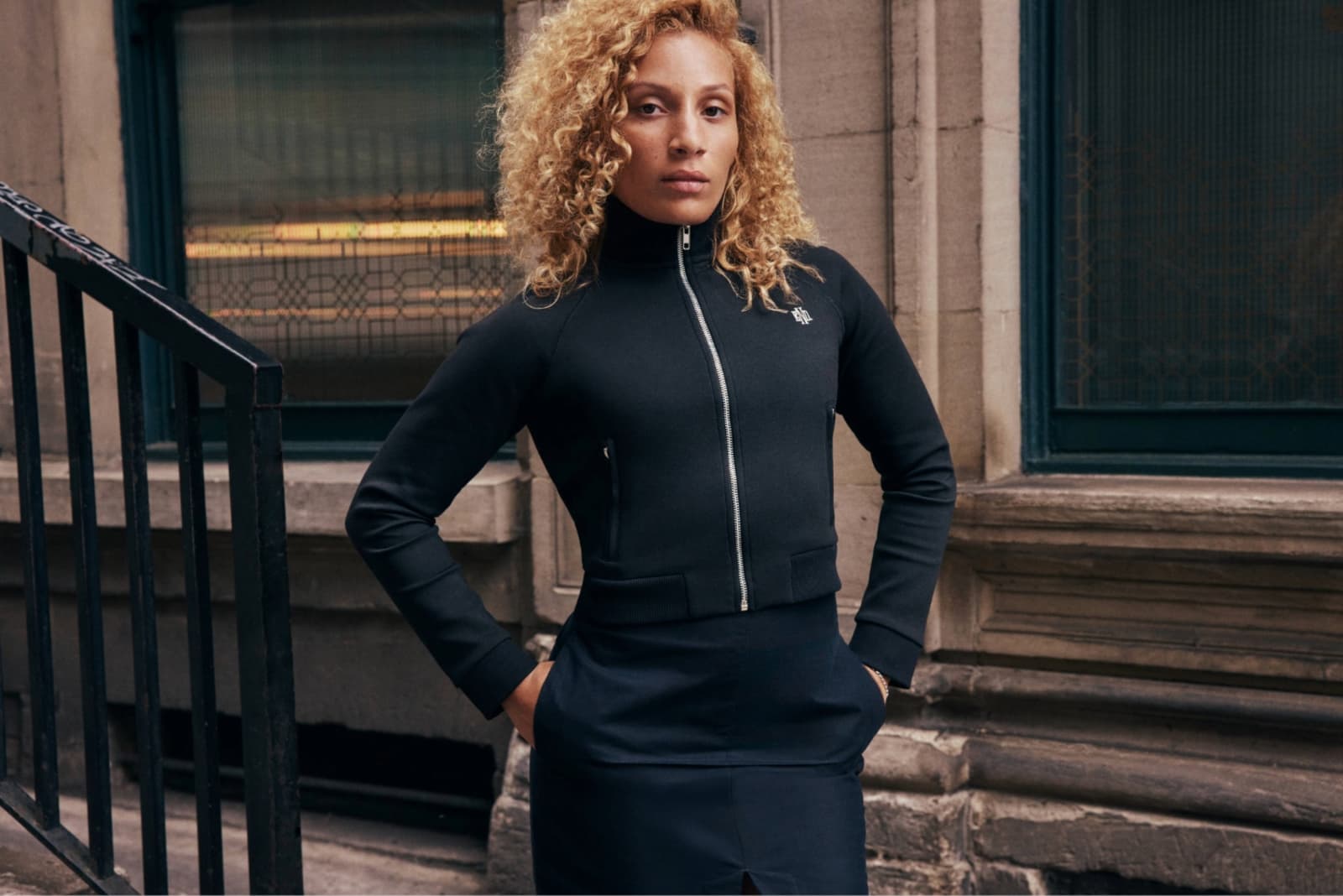
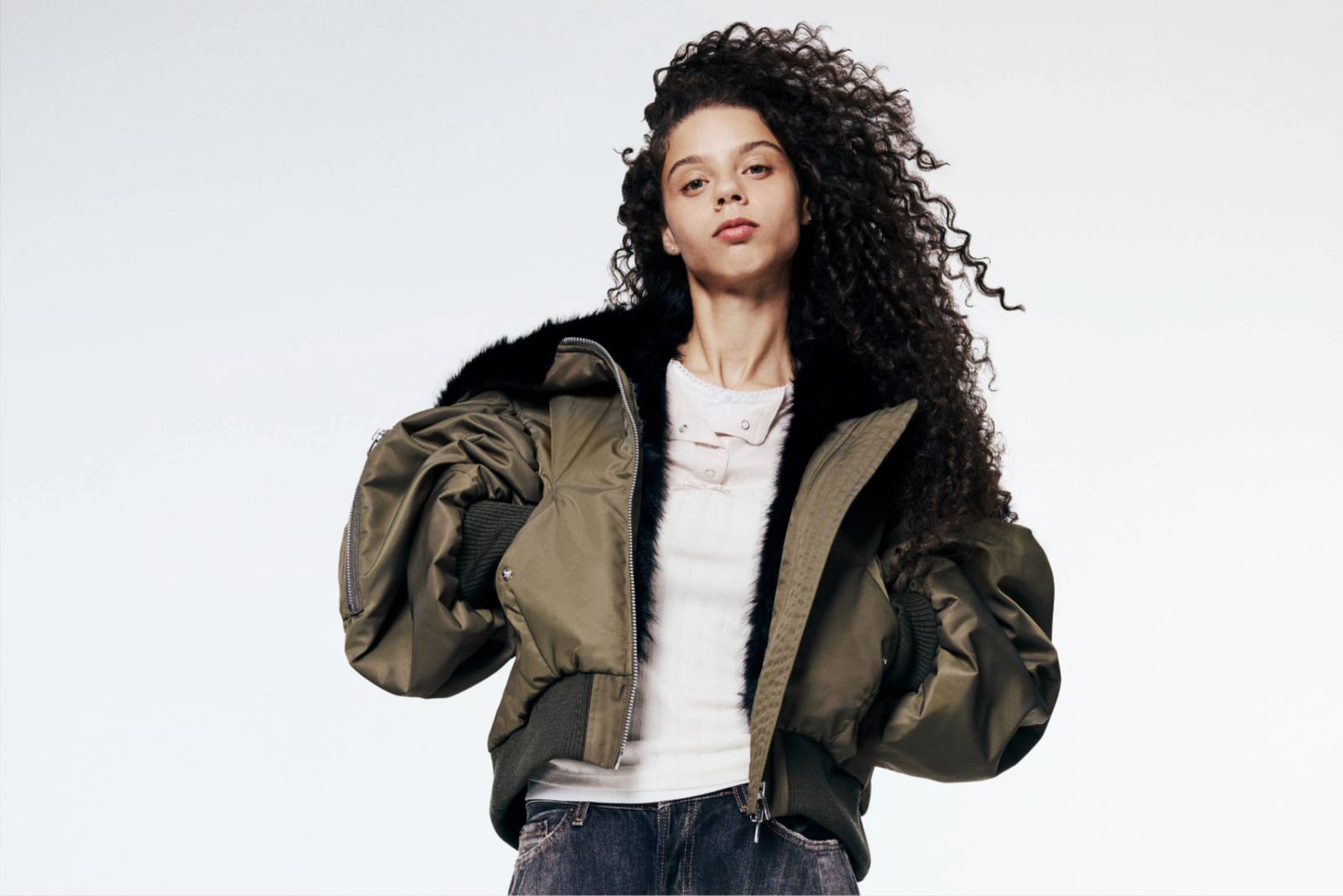
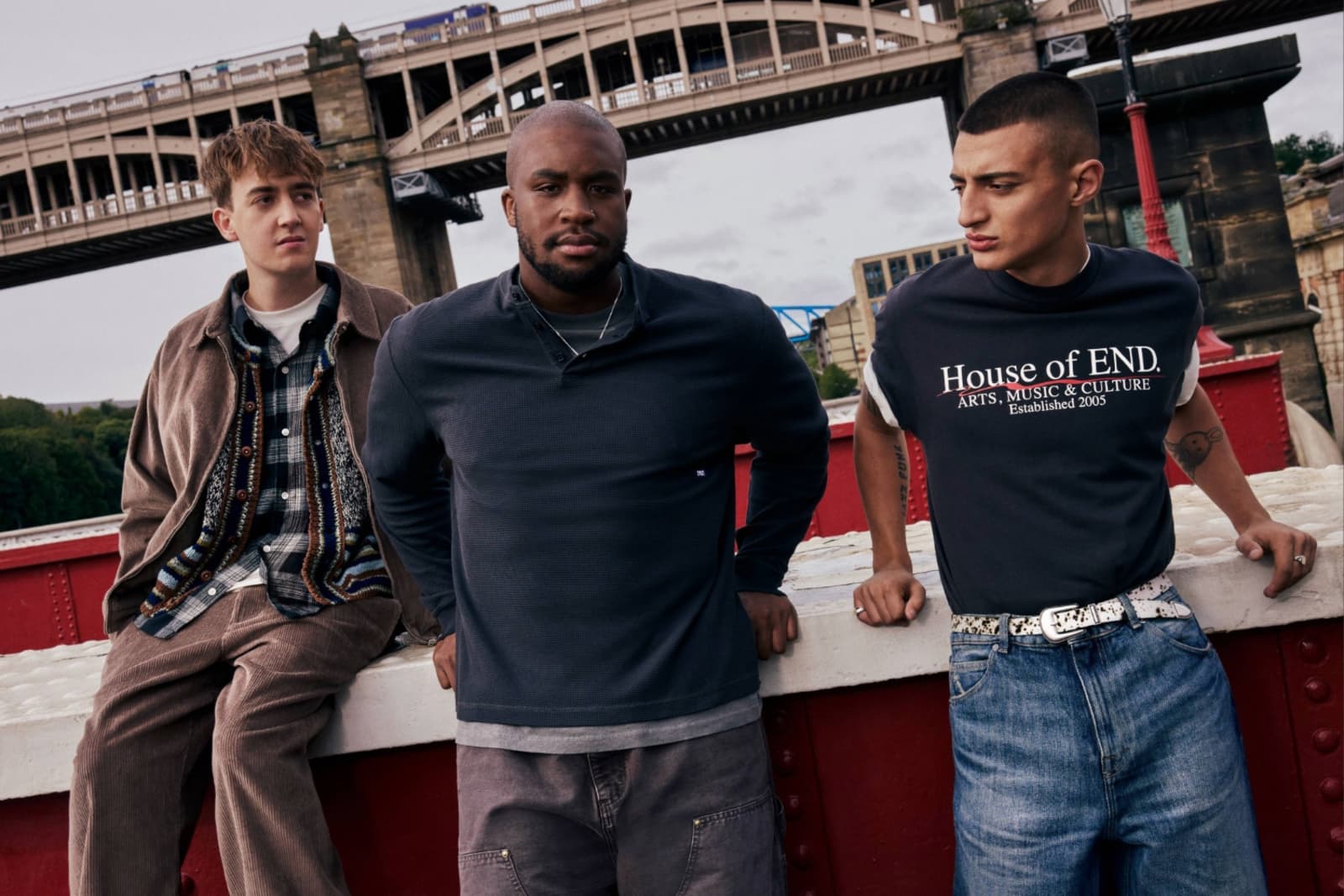
Eponymously named Ronning and founded in 2017, Magnus’ brand has gone from strength to strength, building a repertoire of clothing that can seamlessly fit into the daily wardrobes of the modern-day man. Think workwear-inspired jackets with elevated details, effortless knitwear in dusty colour palettes and denim cut to the perfect width. Centring around Magnus’ platonic ideal of “Everyday Uniform”, the brand is building something with longevity and a sense of purpose that has matured as the brand’s founder’s own taste has developed.
Launching at END. for the first time, we decided to visit Magnus at Ronning’s Soho store – one of two London store locations – and see what the brand is all about. Exploring their approach to design, Magnus’ own relationship with fashion and Ronning’s outlook, we spotlighted what drives Magnus and how Ronning is building their own aesthetic approach through the lens of the everyday.


Founded in 2017, what originally compelled you to start Ronning?
I always had an interest in fashion, but I didn't really know what I wanted to do in fashion. So, when I was at university, I'd make videos about fashion on YouTube and then started making graphic t-shirts on the side - tees that I wanted to wear, essentially. So, it kind of went from being a small graphic t-shirt brand to launching big collections as the brand matured and I grew up at the same time.
Was that decision to shift from making graphic tees to a more mature approach guided by your personal style?
100%. As I’ve grown up, the clothes I wore when I was 20 are so different to what I want to wear now at 28. The customers of the brand have matured in the same way. So, the people who were there at the beginning might be the same people who shop with us now, but they’re buying a completely different array of products.
Had you always been interested in clothes?
When I was around 12 or 13 years old in Denmark, everyone wanted to wear Evisu jeans and Nike Shox, before jumping onto the next trendy brand. So, I had an interest in fashion from a young age, but I was never super into high fashion. I was always more into the everyday nature of clothing and the “Everyday Uniform”, as we call it. For me, it's sort of a case of having an interest in fashion from a consumer point of view, rather than a high fashion point of view.
How did you translate that consumer point of view into designing clothes?
I never really studied fashion at university – I’m not a fashion designer by trade. I studied business for a year and then dropped out. So, often I make clothes that I want to wear myself rather than sort of designing full collections. Most of the time, my reference point is “what do I want to wake up and wear? Or what would I like to wear during this holiday or during this season?” And then we try to design around that sort of feeling of familiarity and around nostalgia to a certain extent.
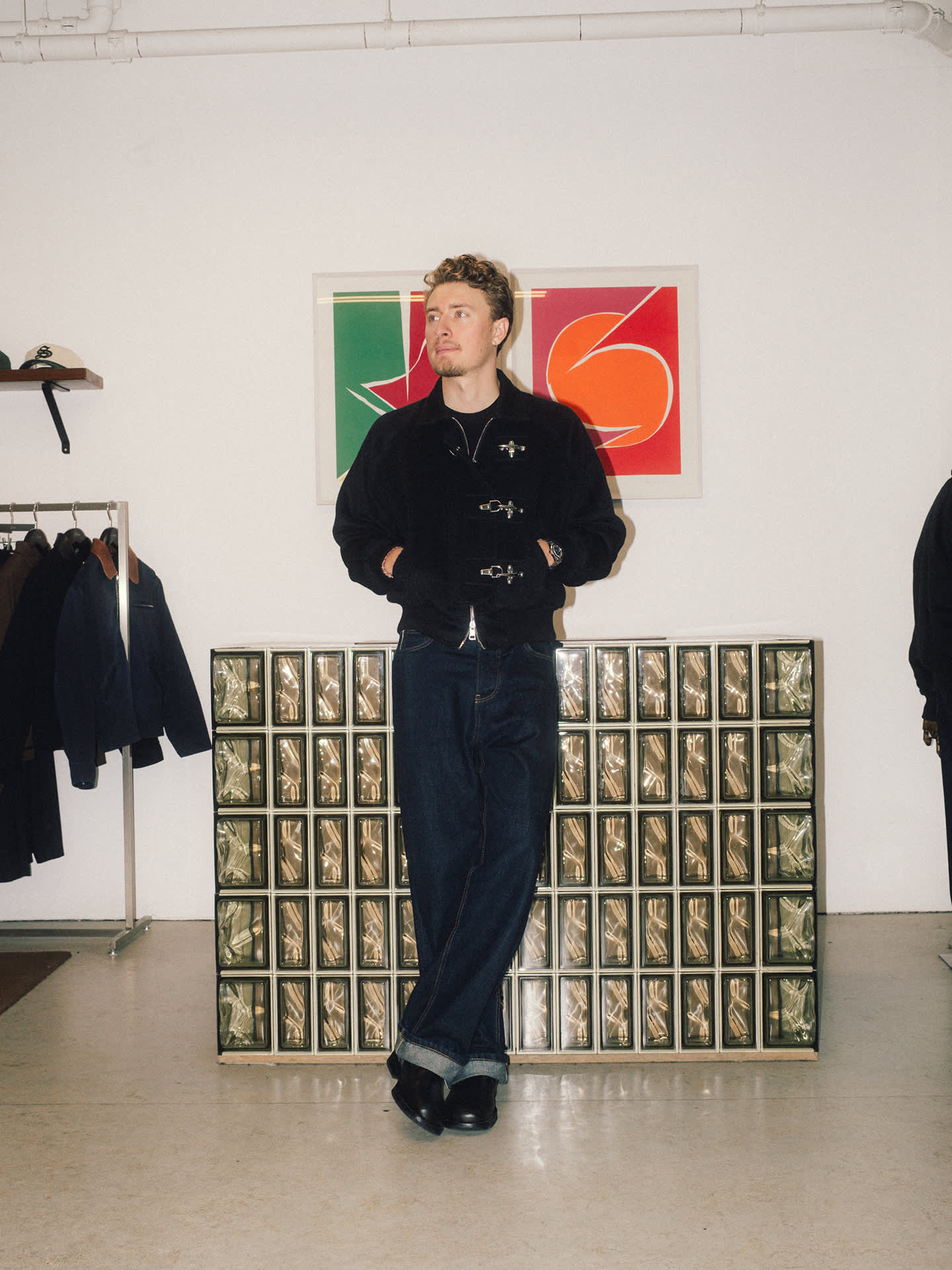
"For me personally, I'm tired of having a massive wardrobe that keeps growing and growing and growing. So, I wanted to strip back a lot of what we do to our core collection."
Originally from Denmark, you moved to London and found yourself immersed in the fashion scene here. How have these two different places influenced your approach to Ronning?
I think growing up in Denmark has probably had a big impact on how I dress. I'd say a lot of people who grew up in London have grown up with streetwear and a lot more logos. In Denmark, I think, it’s a bit more laid back and casual with very little branding. We [Ronning] always wanted to have that same red thread of quality running through the brand without massive branding. And I think that's what we're trying to do now. Creating quality clothing without putting a massive logo on it. Of course, we have hats, which have a logo or some t-shirts, but it never feels like it's the main focal point of the brand.
Centring around making clothes that are built to last, and rejecting the seasonality of the fashion industry, Ronning is blending a timeless approach with more sustainable practices. How does this way of working influence the product that you create?
For me personally, I'm tired of having a massive wardrobe that keeps growing and growing and growing. So, I wanted to strip back a lot of what we do to our core collection. Most of the product we have will be the same this year and in three months and in six months and in another year. Although we’ll have small seasonal changes at the same time. So, we still want to keep our core foundation of the brand the same but then have seasonal offerings to help people build their wardrobes out. We want to make clothing that you can wear now and in five years.
It's always hard to make the most sustainable clothing because that's just a reality of overconsumption in many ways. But we want to make sure that what you buy now, you're going to wear now, next year or in five years, essentially.
Placing emphasis on the quality materials that you use, what guides your process for selecting suppliers and manufacturers to work with?
Ronning is around eight years old now and our longest standing factory we've been with for seven years. They make all of our jackets, all of our shirts - they are based in Portugal. We have very long-standing relationships with most of the factories we work with. Because of the brand’s concept as “Everyday Uniform”, we want to make a product once and make it very well for the next five years, rather than constantly reiterating and making new versions at the same time.
I want our customers to buy a knit jumper that becomes their favorite jumper, and then they know that they can buy it this year, next year, and in two years, and it'll be from the same factory, with the same quality, and the same fit, so you know which size you are, rather than constantly having to rework small nuances in the same piece of clothing.
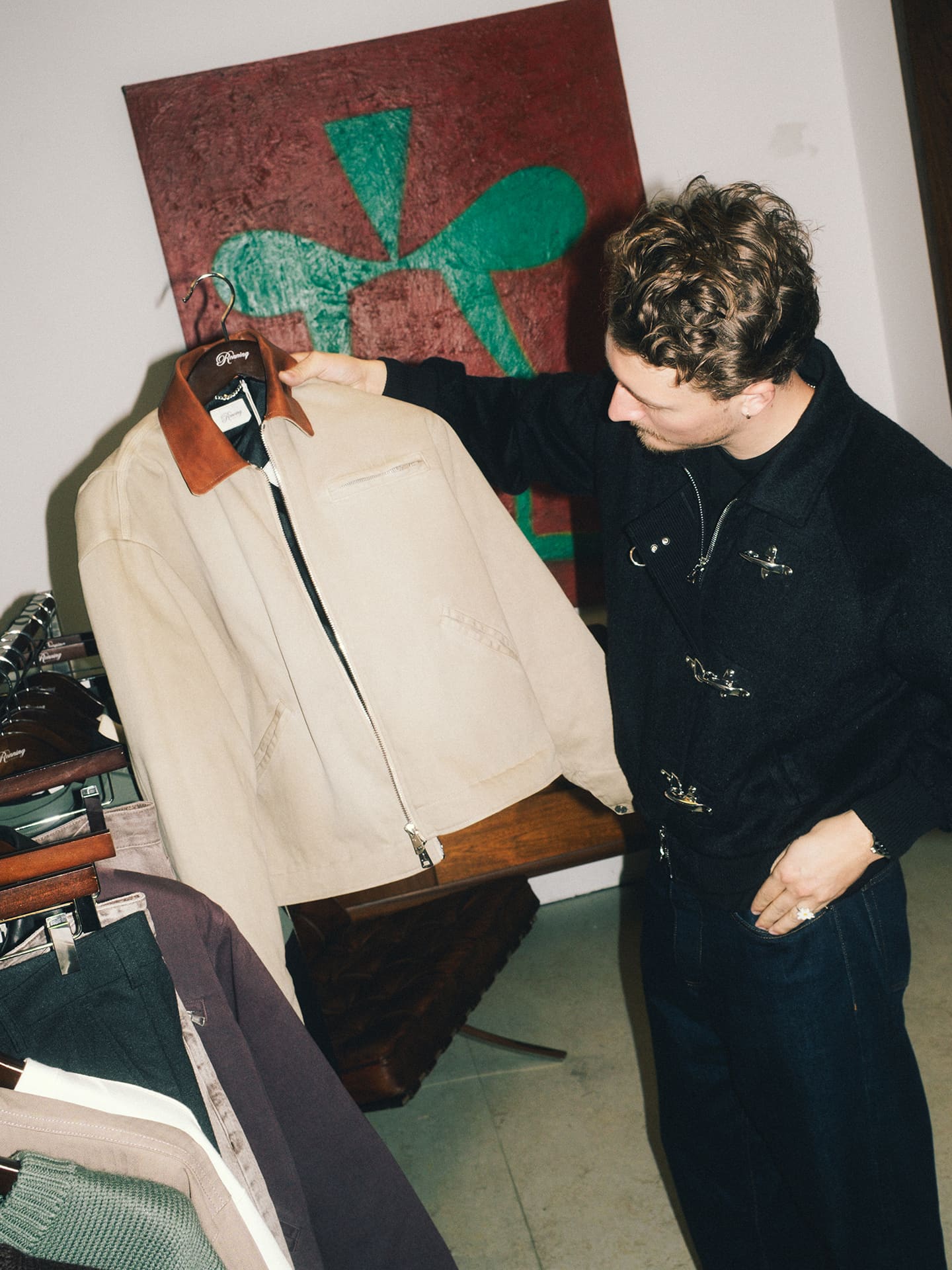
"Sometimes you can focus too much on what you want to wear, rather than just living your life."
A term that I’ve seen the brand use several times is “Everyday Uniform” – what does this mean to you and the way you dress?
The idea of “Everyday Uniform” came up around 2019, when I basically wore the same clothing every single day, and I never felt bad about wearing the same pair of jeans for two weeks at a time. I wanted to have that feeling of just waking up and knowing exactly what you want to wear without using loads of brain power on deciding in the morning.
So, for me, “Everyday Uniform” is waking up and just knowing I'm going to wear Ronning and then I'll go about my day, whether I'm going to the pub, to the office or on a date night, essentially. Clothing that can do all of that is the everyday uniform. Some people love dressing up every single day and it's a massive part of it. We don't want to take that away from people, but sometimes you can focus too much on what you want to wear, rather than just living your life. I’ve probably worn my jeans 280 days in the last year, I’d say. They’re black jeans, so no one ever says, “oh, you’ve worn the same jeans twice.”
Blending workwear influences with contemporary menswear style, the allure of the brand is in the blend of quality and versatility. What would you say the biggest influence on Ronning’s aesthetic outlook is?
I'd say most of our inspiration comes from the uniforms of everyday people. We’d look at people who either worked in the military, in office jobs, in tradesmen's jobs - looking at what items they would wear and then essentially make a more refined take on some of these items. Whether it's workwear jackets or pleated pants, we want to have those inspirations from the workforce and take them into the everyday at the same time.
When you look at workwear that's been through the trials and tribulations of daily wear, it's been wear-tested over the years, so most of the features that are on that type of clothing make sense and have a reason to be there. Whereas I think sometimes with a lot of the high-end fashion pieces there are often unnecessary details just because they look good.
Having first risen to prominence through your YouTube channel, was it difficult to make that transition from YouTuber to running a brand?
Going from being known as a YouTuber and having a YouTube brand to now having what some might call a “real” clothing brand has been a big step, and one we took around four years ago. In the beginning, I was consciously in every single piece of content, and it was very much a process of: we have a drop, make a video about it, go buy it now. Now, we seem to work more as a traditional clothing brand. We have our campaigns and our lookbooks. I'm not the model all the time anymore. I'm still part of the brand, but it's not a merch brand or YouTube-led essentially.
There’s definitely a glass ceiling if you're a YouTube brand, where you can almost only grow as big as you are, as the head of the brand and YouTube personality. I never wanted myself to be the face of the brand. I always wanted it to be a brand that I work on and that I work with, but not to be so front and centre all of the time.