WHY PROVENANCE MATTERS: FROM ITALIAN WORKSHOPS TO BRITISH MILLS
4 September 2026From Biella's wool mills to the looms of the Outer Hebrides, here's what provenance actually means in fashion and why "Made in Italy" is context, not a guarantee
Turn a jacket inside out and you'll find a small white label with a country on it. Most ignore it, some even remove it, but it tells you everything you need to know to really understand what you’re wearing.
Provenance is simply the origin story of a garment: where the fibre was grown, where it was spun and woven, where it was cut and sewn, and who knew how to do all of that in the first place. It's the difference between knowing what something costs and understanding why. And once you start paying attention to it, you buy differently; usually less often, and usually better.
Here's what the term actually covers, why Italy and Britain keep coming up in the conversation, and why a country of origin on its own will never be the whole answer.
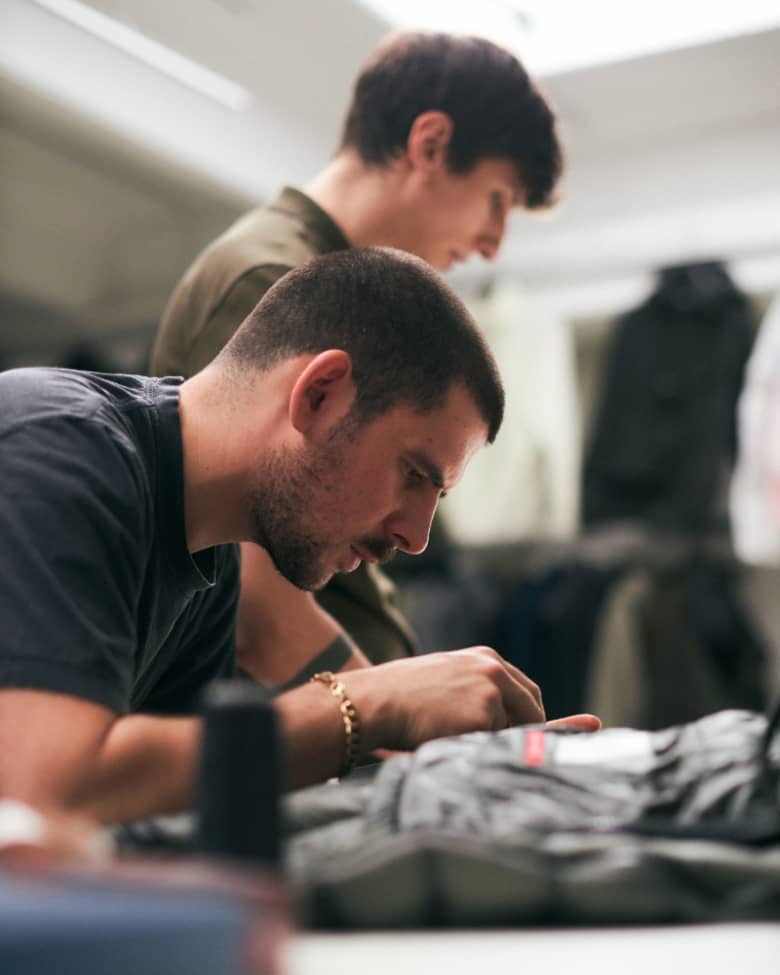
What Does Provenance Mean in Fashion?
Provenance is borrowed from the art world, where it means the documented history of an object. In clothing it works much the same way, and it usually breaks down into five parts.
Firstly, where the materials come from. Merino from New Zealand or Australia. Cotton from Egypt, the US, or the Caribbean. Cashmere from Inner Mongolia. Fibres have distinct lives before they ever become cloth, knowing about a fibre’s origins can tell you a lot about the piece that ends up in your outfit.
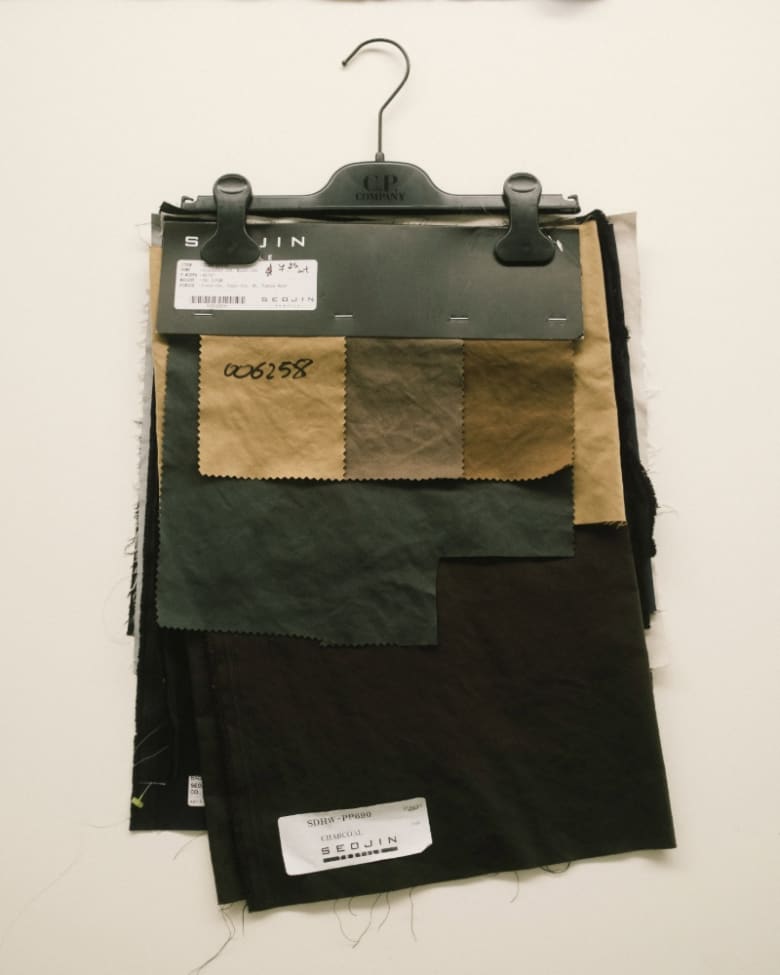
It's also important to know where the fabric is made. Fibre and fabric are not the same step, and they rarely happen in the same place. Wool grown in Australia might be spun in Italy and woven in Yorkshire. This is the stage most people skip, because it’s often the hardest to trace. Companies that aren’t proud of this step won’t speak about it, so it’s often up to you to find out.
Next is where the garment is manufactured. The cutting, sewing, and finishing. This is the part that your care label is legally referring to.
On to craftsmanship. The accumulated skill of the people doing the work. Pattern cutters, machinists, finishers. This word gets thrown around a lot these days. It pays to remember that sometimes it really means something: generational, hard-earned artisanship that ensures a product is both beautiful and lasts. When you know more about what to look for in the other steps of the production chain, you can deduce whether craftsmanship is a marketing term or a real designation.
Finally, heritage. The brand's own history, and the history of the region it operates in. Naples has been making soft-shouldered tailoring for a century. The Outer Hebrides have been weaving tweed for considerably longer. The cultural context of a brand also matters, is it a pioneer? Is it replicating something? Neither of those necessarily mean something is good or bad quality, but they can be guides.
Read together, those five things tell you far more than any one of them does alone.
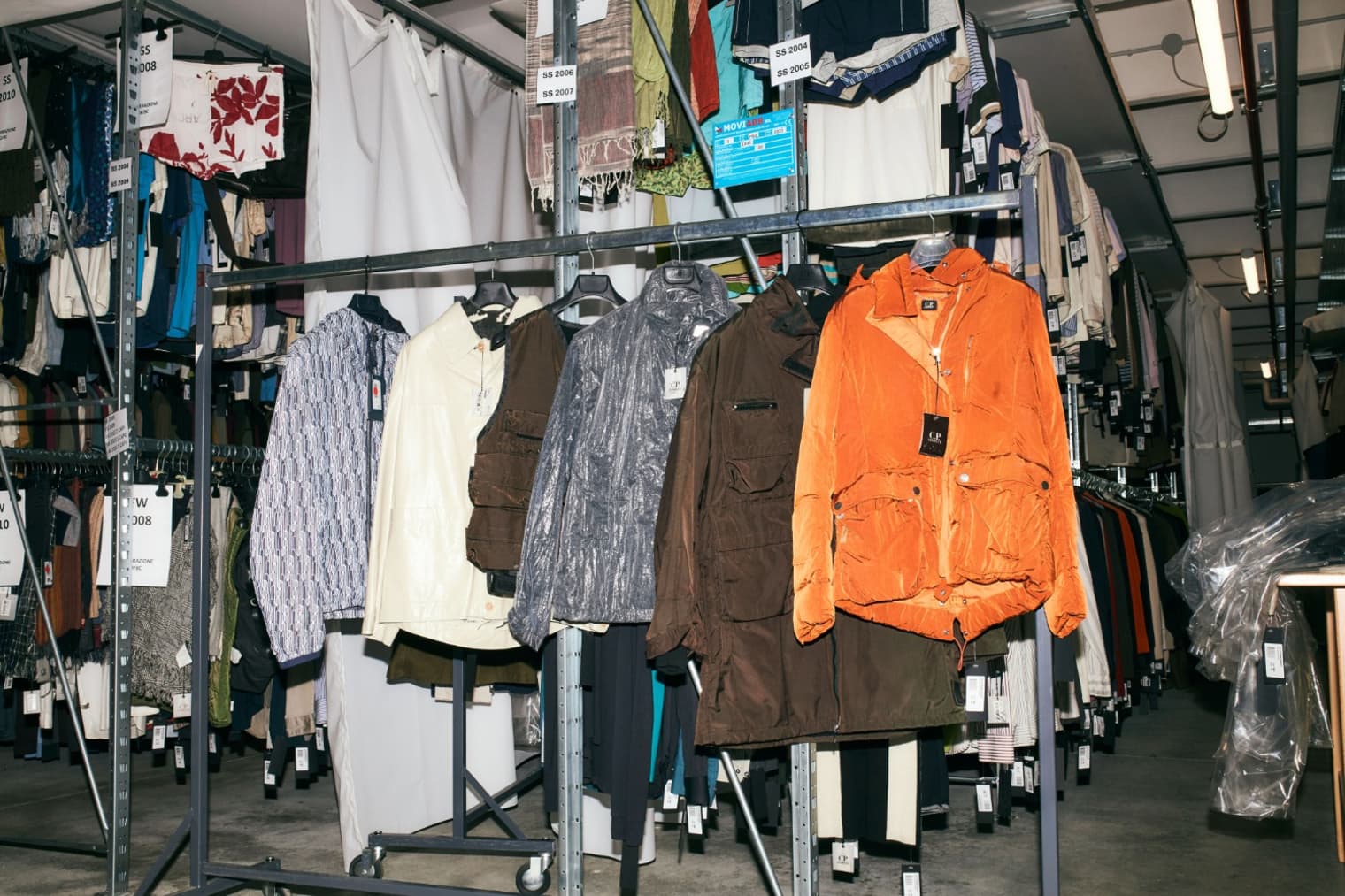
Why Does It Matter Where Clothing Is Made?
Because expertise usually doesn’t exist in a vacuum. Industries settle in one place—near a river, a port, good farmland for wool—and then stay for generations, and everything grows around them: the machinery, the finishing houses, the technical schools, the family firms that only make buttons or only dye denim.
That clustering has practical consequences. A region with two centuries of experience in worsted wool has a deeper bench of specialists, better-maintained looms and a shared standard of what good product looks like. Techniques survive there that have died out elsewhere: hand-linked knitwear, vegetable tanning, garment dyeing done properly rather than approximately.
It also affects construction. Full-canvas tailoring, hand-set sleeves, flatlocked seams and pattern matching all take time and skilled hands. It makes sense that those things are easier to find where the skills never left.
What's the Difference Between Craftsmanship and Manufacturing?
Manufacturing is the process: machines, systems, quality control, repeatability. Craftsmanship is the human judgement that guides it; knowing when a seam is sitting wrong, when a fabric needs another pass, when to slow down, and the subtle details that machines can’t perfect.
They're not opposites by any means, and the best factories run on both. A modern Italian outerwear plant is a genuinely industrial operation, and it also employs people who have been doing one specific job for thirty years. Anyone selling you craftsmanship as the opposite of factory-made is selling you a vision, not reality.
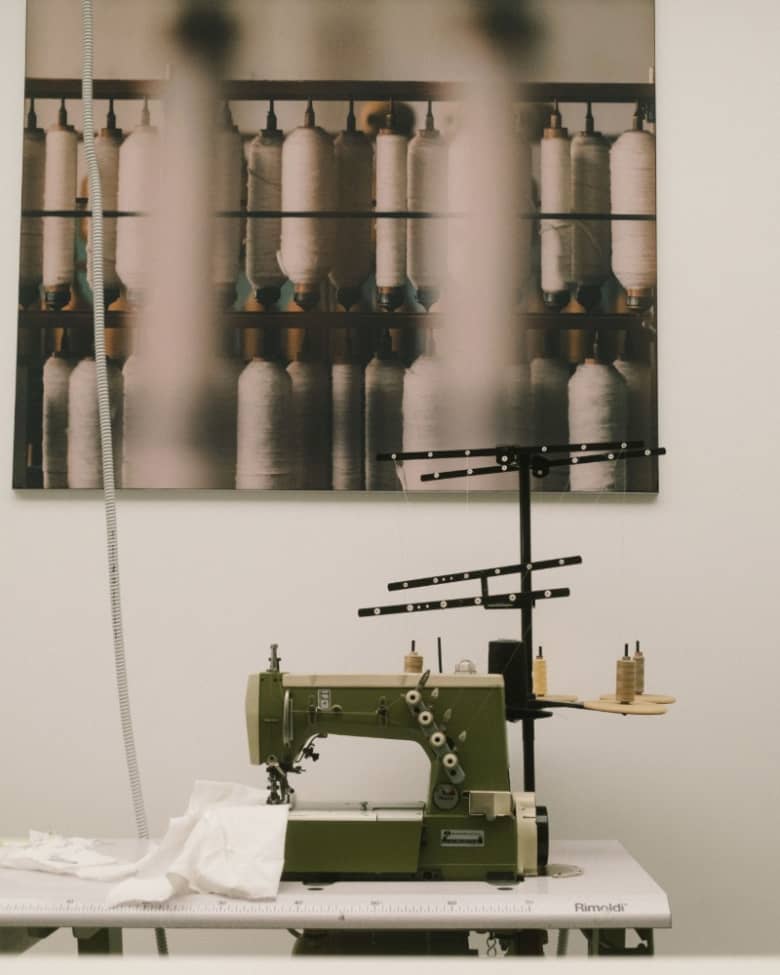
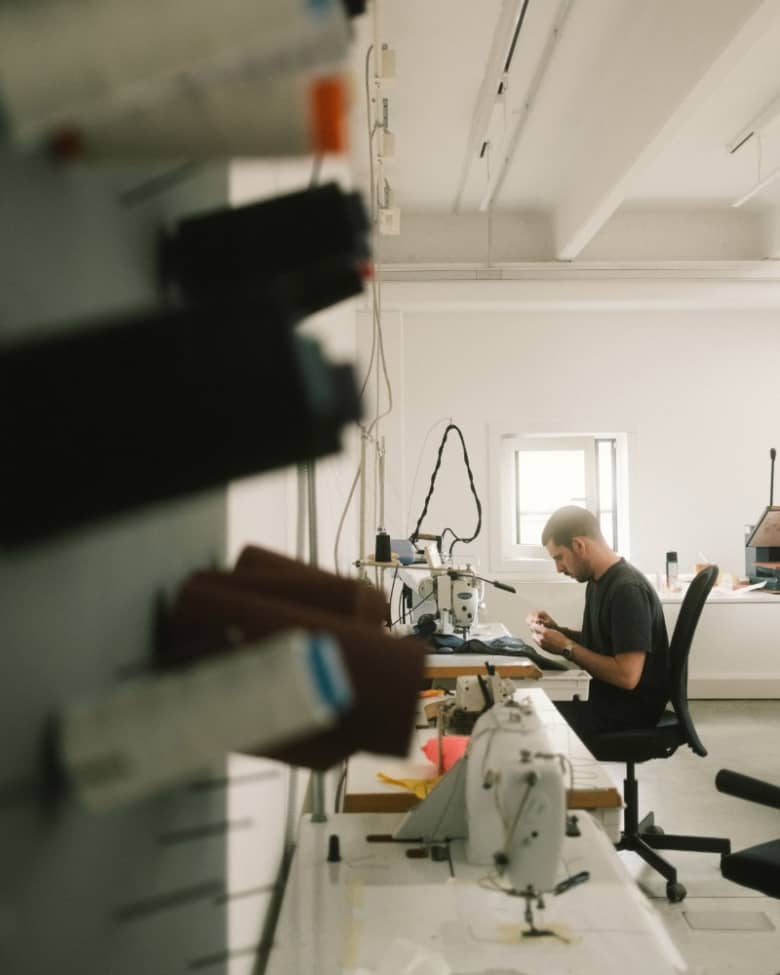
Italian Craftsmanship
Italy's advantage is that its textile industry never centralised. It stayed regional, and each region got very good at a specific thing.
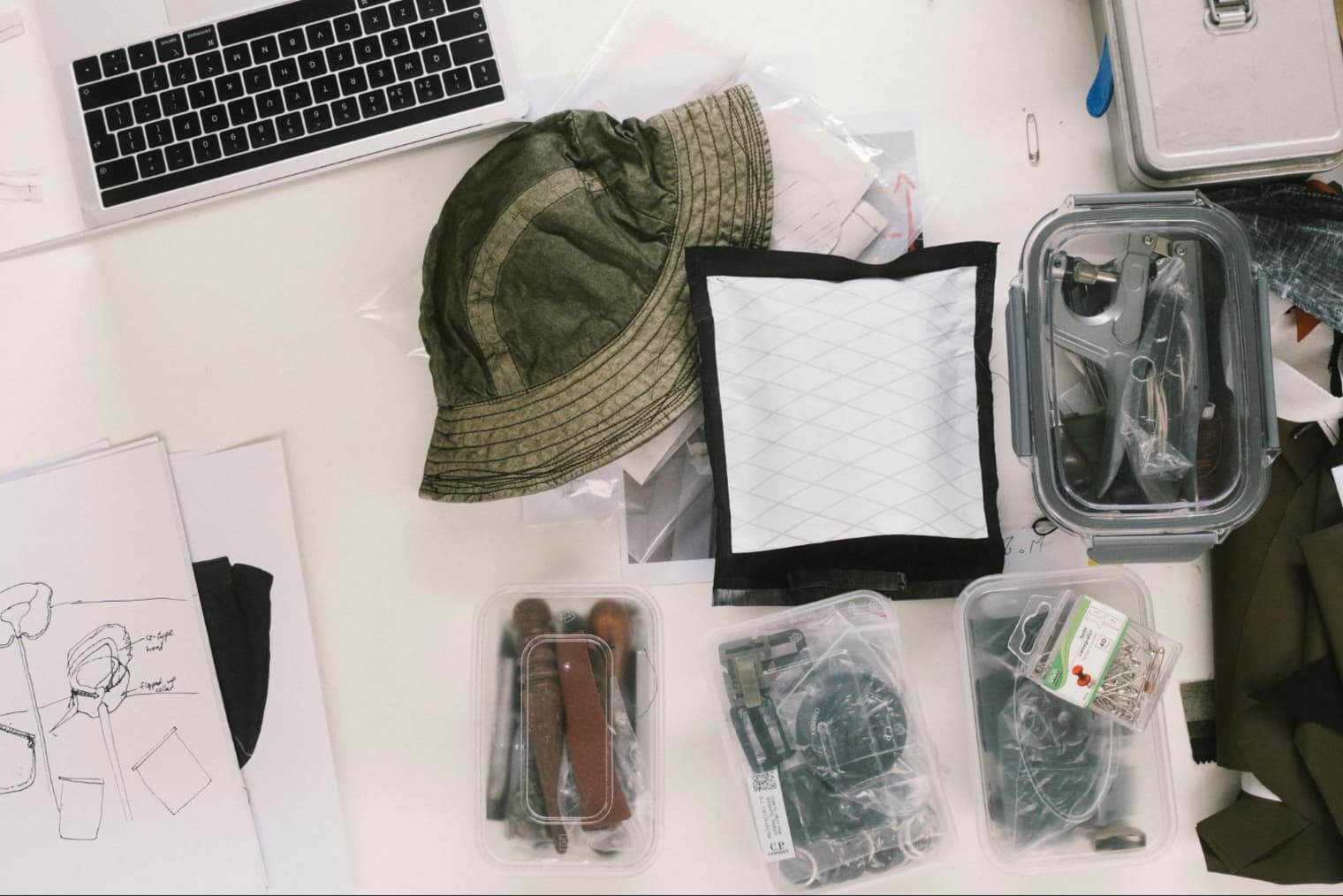
Biella, in Piedmont, is the wool district—Vitale Barberis Canonico has traced its mill there back to 1663, and ZEGNA started life in 1910 as a Biella wool business before it ever made a suit. Como does silk. Prato built an entire industry on regenerating wool long before circularity had a marketing department. Naples does soft, lightweight tailoring. The Riviera del Brenta near Venice makes shoes. Tuscany tans leather in vegetable pits over weeks rather than hours.
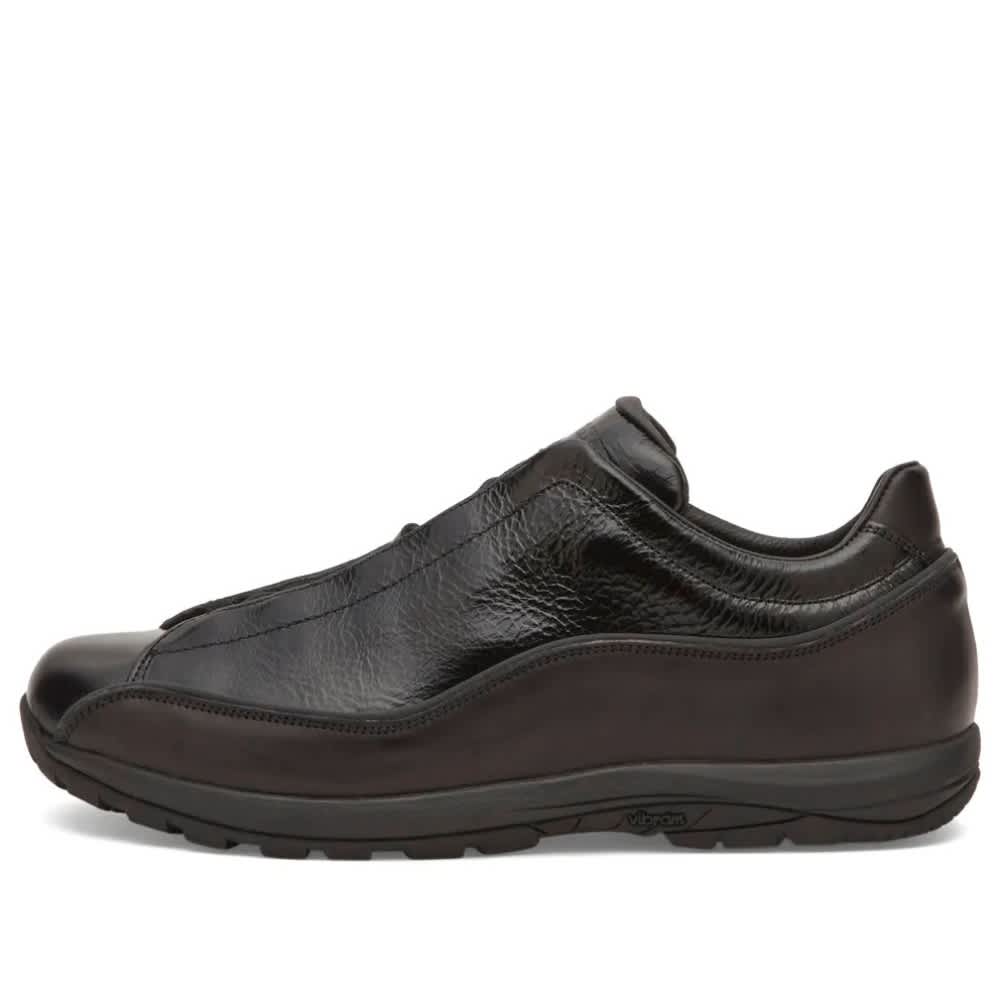
In 2026, this expertise still matters and extends way beyond tailoring. Brands like Stone Island and C.P. Company trace back to Massimo Osti in Bologna in the 1970s and ’80s, and both built their reputations on treating fabric as a priority—garment dyeing, resin coatings, nylon monofilament, textiles developed with mills that could actually make them. Diemme has translated the historical artisanship of its home in the Dolomite mountains from cowboy boots to cutting-edge hiking shoes, keeping an uncompromising focus on leather and construction. For the brands willing to nurture it, Italian craftsmanship is alive and well.
The Role of British Mills
In contrast to Italy, Britain's textile story is industrial rather than artisanal, and modern British towns and cities still tell its story. Yorkshire built worsted suiting around Huddersfield and the Colne Valley. The West Country made flannel. Scotland mastered cashmere and lambswool, in Hawick and in Elgin. Nottingham and Derbyshire ran the hosiery and knitting trade. Dundee did jute and later waxed cotton, which is why so much of the world's waxed cloth still comes out of one Scottish city.
Two things kept it alive after the mid-century collapse. The first is wool. British cloth is generally denser, drier, and more robust than its Italian equivalent. Think tweed, flannel, moleskin, corduroy, waxed cotton. It’s cloth built for bad weather, essentially.
The second is legal protection, which is genuinely unusual. Harris Tweed is defined by an Act of Parliament passed in 1993: to carry the Orb mark it must be made from pure virgin wool, dyed and spun in the Outer Hebrides, and handwoven by islanders at their own homes. Break any part of that and it isn't Harris Tweed. There is almost nothing else in fashion with that kind of regulation behind it.
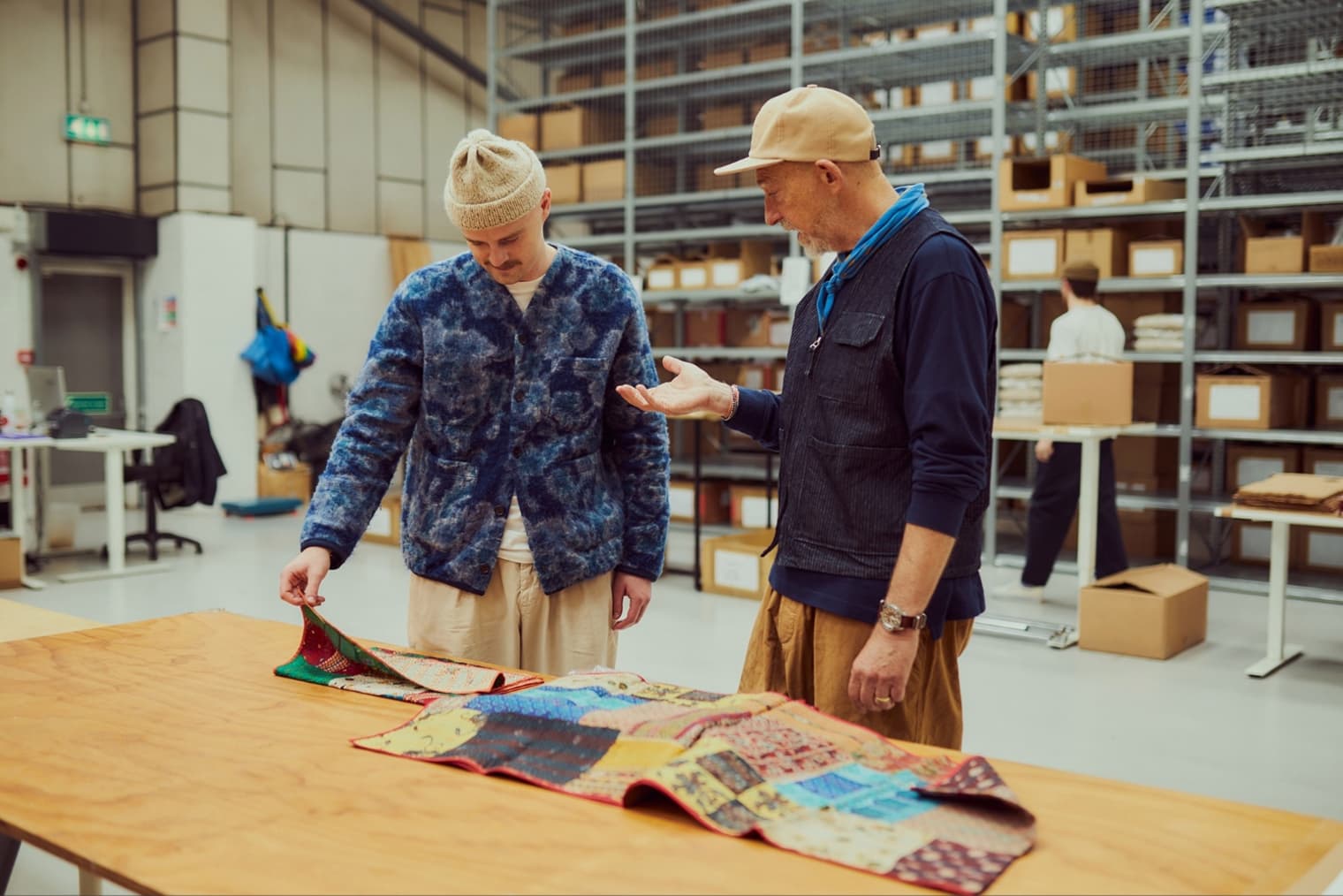
The relationship between mills and finished garments is worth understanding, because a mill rarely makes clothes. It weaves cloth and sells it to brands, which means the same fabric can appear in a £200 jacket and a £2,000 one. The cloth is one variable. Cut, construction, and finishing are the others.
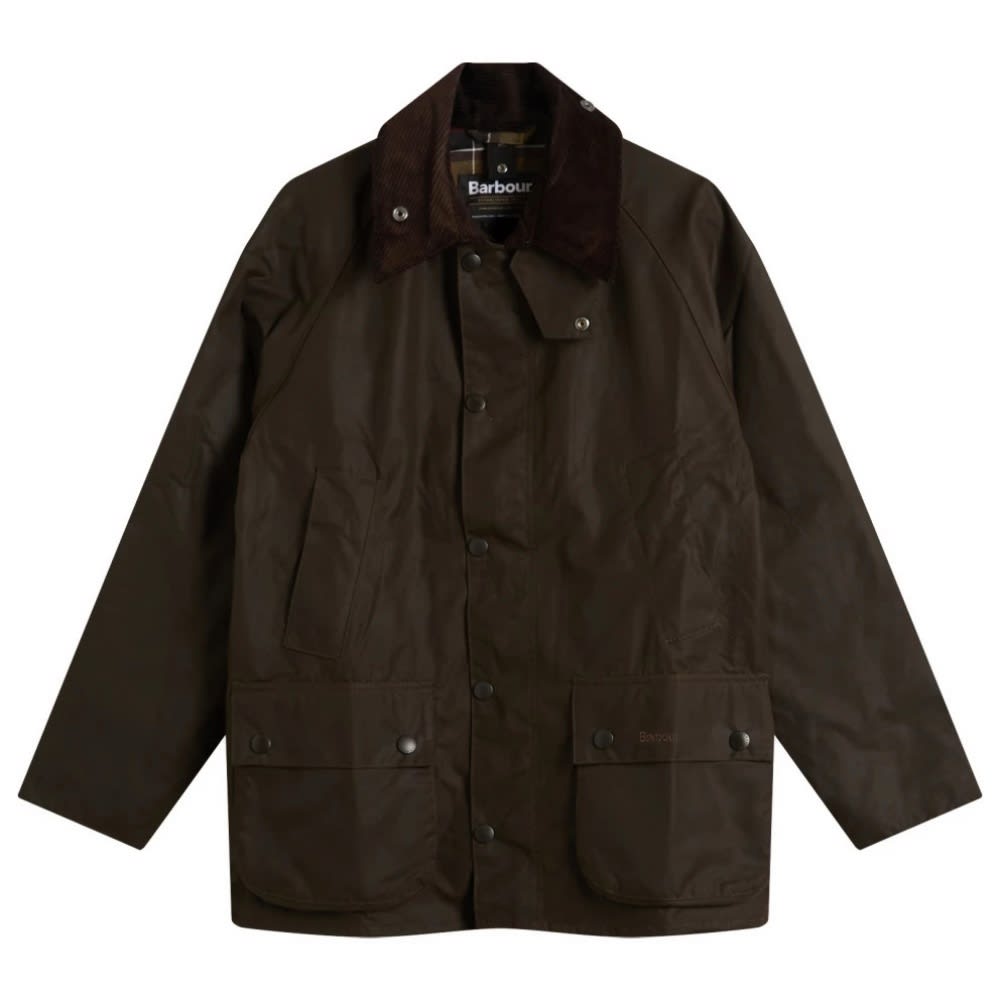
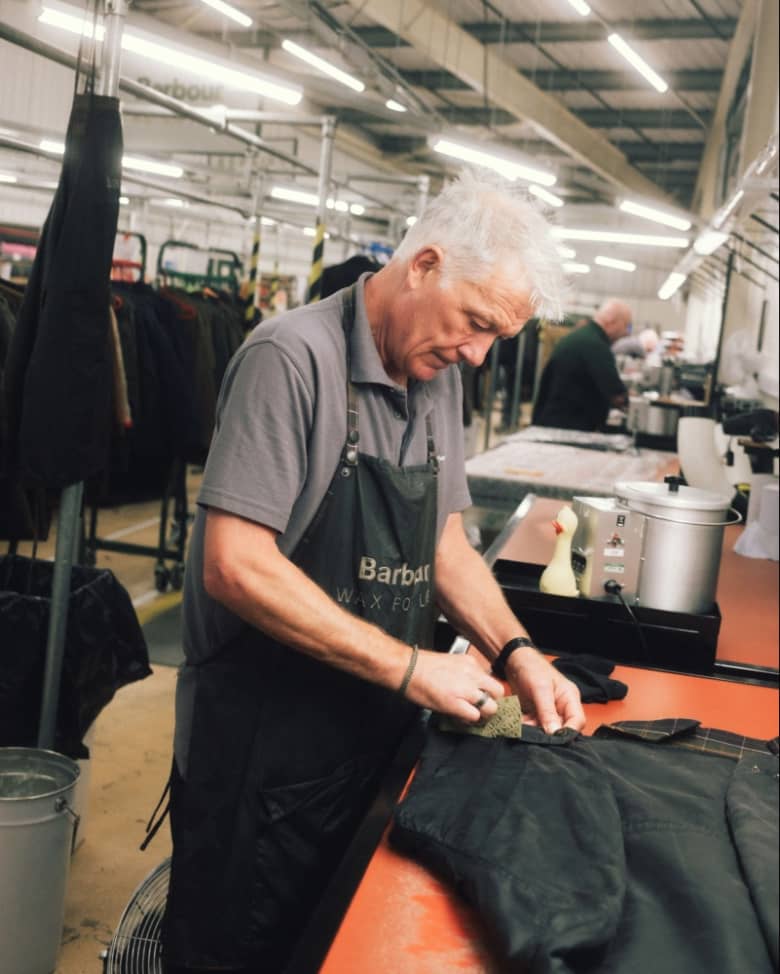
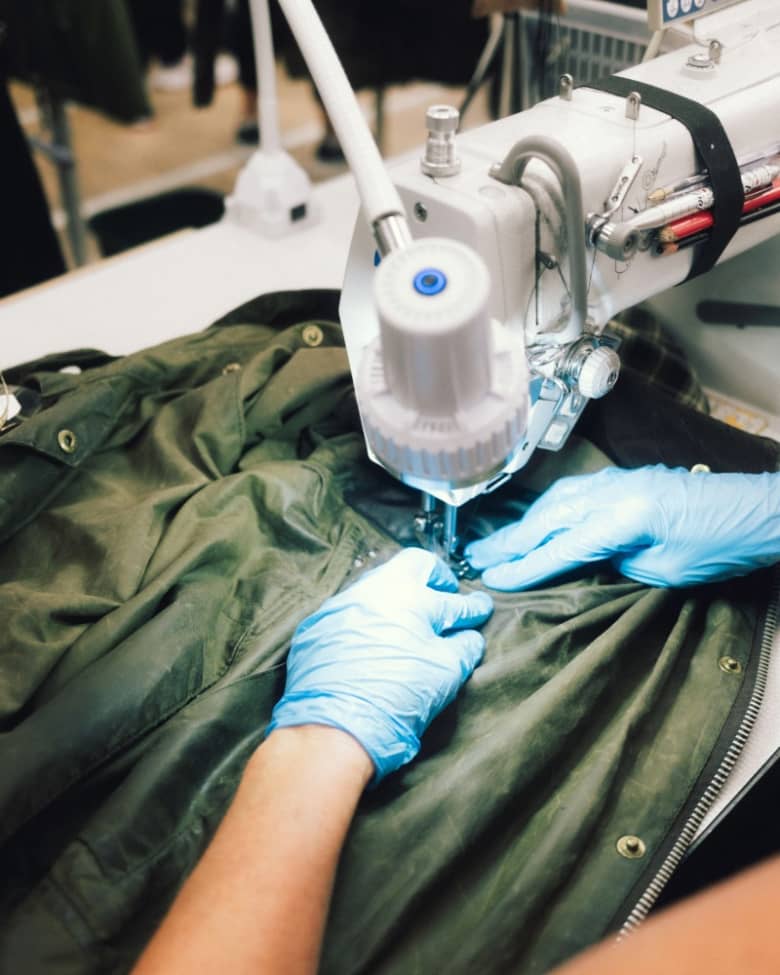
Some brands close the loop themselves. John Smedley has knitted at Lea Mills in Derbyshire since 1784, which makes it arguably the oldest continuously operating factory of its kind anywhere. Barbour has been in South Shields since 1894 and still waxes, makes, and repairs jackets there.
Does Country of Manufacture Mean Better Quality?
No. And this is where most provenance conversations hit a hurdle.
"Made in Italy" is a customs classification, not a quality standard. Under the rules of origin labelling, a garment takes the origin of the country where its last substantial transformation happened. Fabric can be woven on the other side of the world, shipped in, cut and sewn in Italy, and be labelled accordingly. Entirely legal, accurate, and it tells you nothing about the finishing.
It’s a common misconception that items made in one place are necessarily higher quality, though. Sometimes they are, but in the modern day, there's often nothing negative about a complicated supply chain. Look at John Smedley's extra-fine merino: sourced in New Zealand, spun in Italy, finished in Derbyshire. Three countries, used because they’re the optimal place for it, not to cut costs.
So treat the country as context, and then look at the things that actually determine quality:
- Materials: Fibre length, yarn count, fabric weight, mill.
- Construction: Seam type, lining, stitch density, whether the pattern matches at the seams.
- Design: Whether the garment was drawn to last more than one season.
- Standards: What the brand specifies, audits, and is prepared to pay for.
Why Do Luxury Brands Talk About Where Their Products Are Made?
The simple answer? Because heritage sells. In a market flooded with young brands that compete on price, traditional luxury has something thing in its back pocket that can’t be faked: age, heritage, tradition. Provenance is one of the few remaining ways to signal quality when a photograph of a garment tells you almost nothing about it.
Which is fine, as long as the claim is specific. "Italian craftsmanship" is vague, and often pure marketing. "Woven in Biella, made in Veneto" is legitimate information.
Why Provenance Matters to Modern Consumers
Transparency. A brand that names its mills and factories is a brand that's willing to be checked. That's a good reason to trust a brand.
Heritage. Knowing that a technique has been practised in one valley for two hundred years changes how you look at the result. It's the same reason people care where a wine comes from.
Craftsmanship. Understanding what went into something makes it easier to accept what it costs.
Longevity. Better fabric and better construction repair well, age well, and therefore stay in a wardrobe for longer. Cost per wear becomes the decision maker.
Knowing what you're buying. Ultimately, this is the point. Provenance replaces guesswork with detail and detail is what stops you buying the same disappointing jacket twice.
Discover Craftsmanship at END.
Explore Italian brands, British labels, knitwear, tailoring, outerwear, and footwear at END. from the brands proud of the craftsmanship and provenance behind their collections.