NEW ATTITUDES TO TENNIS WITH PALMES' NIKOLAJ HANSSON
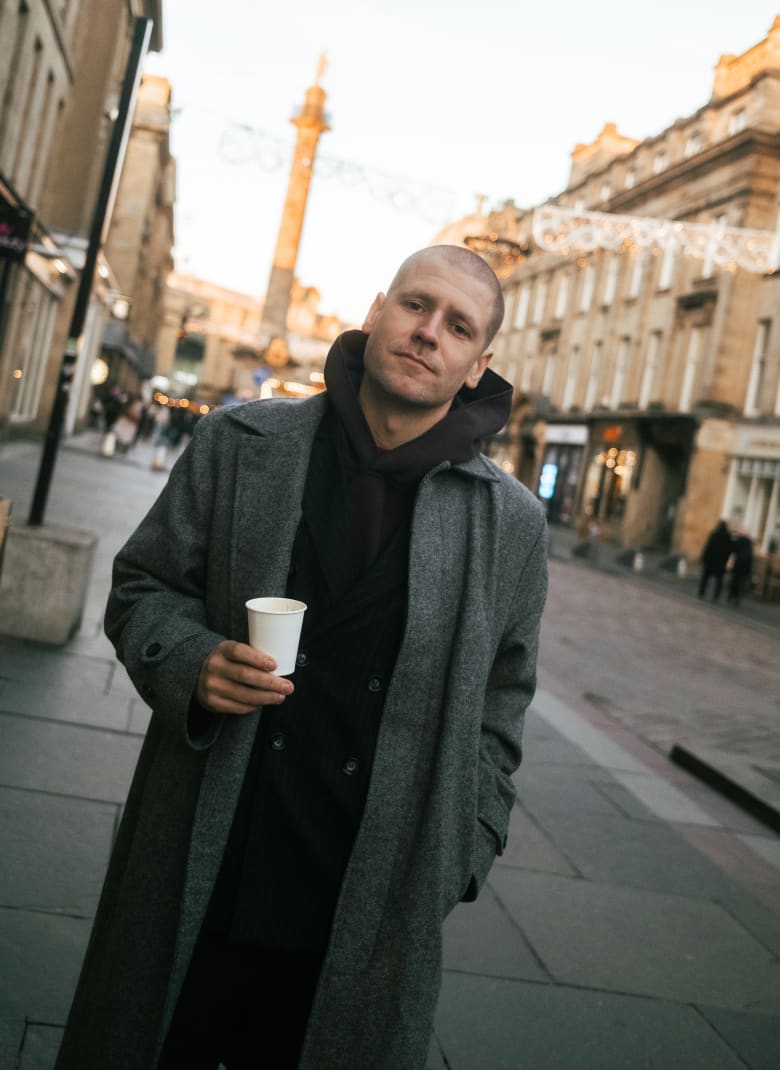
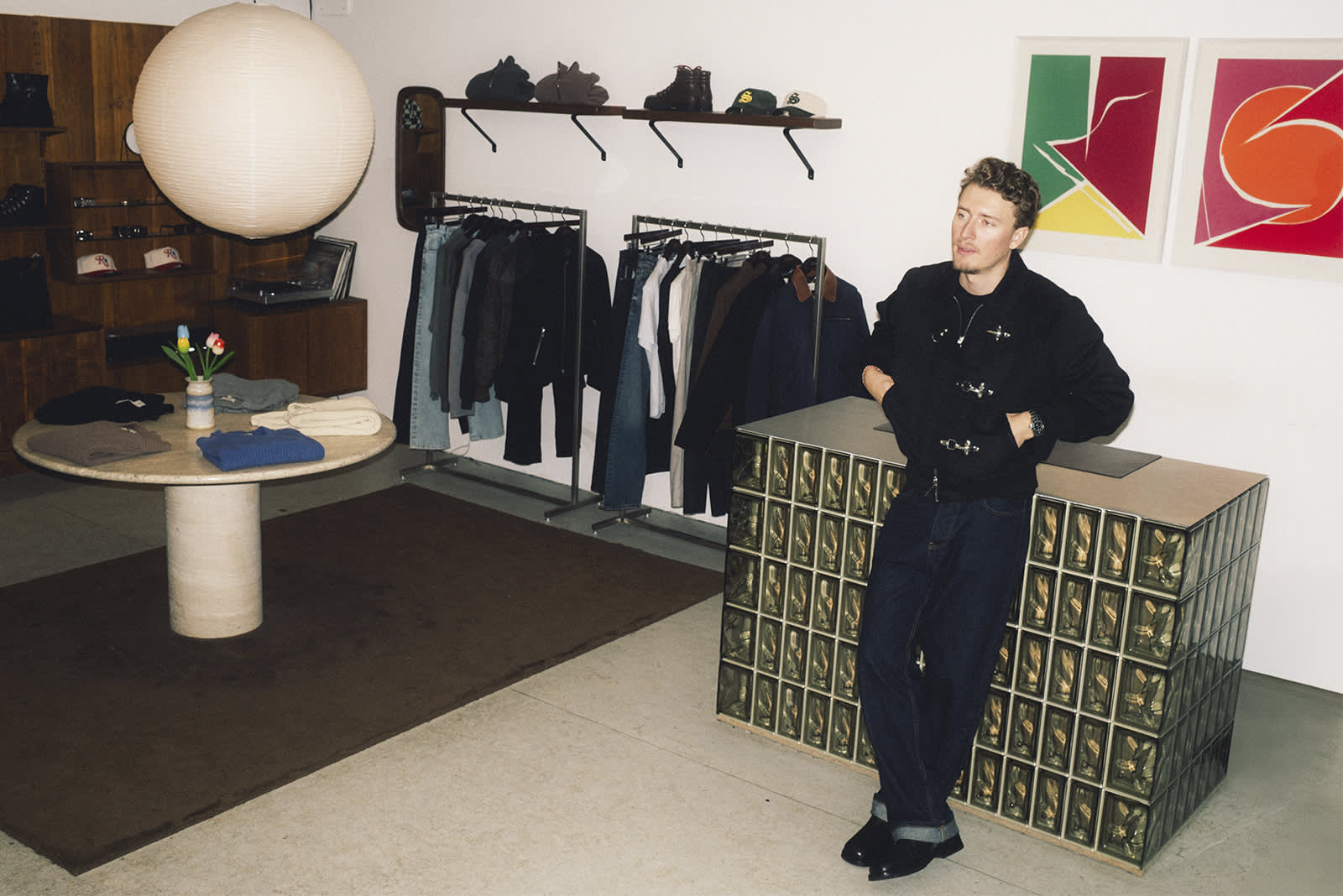
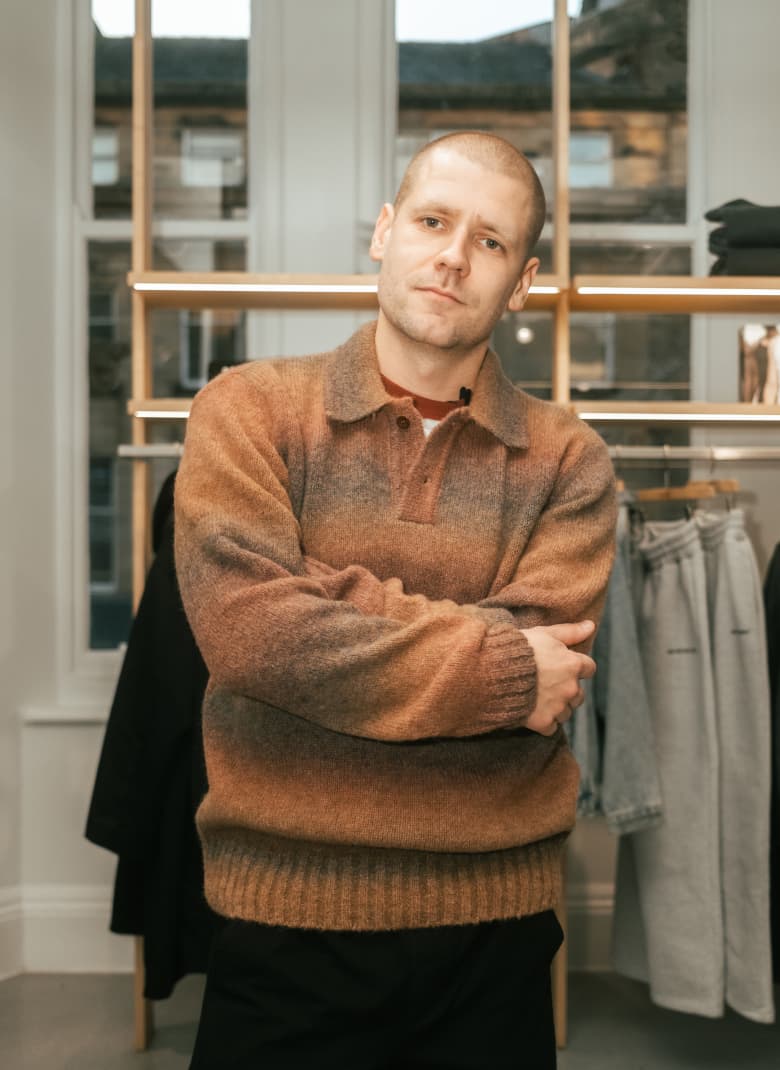
30 March 2026Catching up with Palmes' Nikolaj Hansson at our Newcastle flagship store, we discussed all things tennis: from his route into the sport to the way the brand is making tennis more accessible.
Ubiquitous in the United Kingdom with a formal sense of sportsmanship, tradition and heritage, tennis is a mainstay in the summer’s sporting calendar and widely played across clubs, sports centres and public courts across the country. In Denmark, however, the sport has remained less prevalent, and by consequence, less accessible. Looking to change that, Nikolaj Hansson’s Copenhagen-based brand Palmes is democratising tennis through a personal relationship with the sport and an approach that removes the old-guard veneer in favour of celebrating a freer and more playful approach to the sport – one that champions enthusiasm and genuine passion.
Finding the racket sport during peak pandemic boredom, Nikolaj’s interest was piqued by the history and beauty of the pursuit. Consequently, a new fanaticism was born. With a background as a skateboarder, Palmes’ founder has a unique perspective on tennis that foregoes the traditional approach typically favoured by those who have been playing from a young age. Building the brand around this alternative perspective, Palmes introduces a sense of style suited to the tennis enthusiast who doesn’t want to leave their personality off the court.
Catching up with Nikolaj as he visited the UK ahead of the launch of his SS26 collection at END., we discussed all things tennis: from his introduction to the sport to the way he is building a new attitude to the game that offers an accessible entry point blended with personal style.
When did you first start playing tennis? What appealed to you about the sport when you first picked up a racket and hit the court?
I grew up skateboarding, so since between nine years old and my early/mid-20s, skateboarding was my everything. My parents tried to get me to play tennis as a kid, and I said no. I thought skateboarding was way cooler, so I wanted to skate. Then came Covid. I was working from home, and I missed doing something active while seeing my friends. I fell into a YouTube hole of tennis videos, started reading about the culture, the whole history of tennis and realised that, for so long, tennis has been a driver for change whether it be social, cultural or political. But I didn't feel like that was talked about enough and I felt that when I looked around the space of tennis, everything was either very retro and nostalgia driven or very performance driven. When I grew up skateboarding, whatever I wore to school or to see friends, I would also skate in. But with tennis, you put on your tennis clothes and go to play and then take it off again, so it doesn't really connect with you throughout the different stages of life. It's something that you do on the court, but it doesn't permeate beyond the court, and I think a lot of people that play tennis identify themselves first and foremost as tennis players because it's something that you need to put so much effort into becoming good at. It's something that you do with the community and your friends. It was frustrating to me that I couldn't connect with that in daily life. I started playing tennis five years ago and became so obsessed that I quit my job to start a tennis inspired menswear brand. Now, I play a lot. In summertime, four or five times a week, and in wintertime one to two times a week, it’s harder to get courts then.
Being an outsider coming into tennis is positive because you see it in a new way. Sometimes, when people don't really understand what we're doing, it's the people that have been in tennis forever, because there is this preconceived notion of what tennis is meant to be. When I started playing tennis, I bought a full white outfit. Why? I never wear all white, but that's because that's how tennis had always been shown to me in media and popular culture. I love Wimbledon, I love the tradition of wearing all white, but at Palmes we just want to show that there's not an ultimate truth to what tennis can be as a sport and a culture. So, instead of me getting rid of my personality when I step onto the court and assuming this all-white outfit from traditional tennis, I should bring my sense of individuality and who I am as a person with me onto the court. That means that sometimes I play in a denim shirt - you can play tennis denim shirt easily, it's so nice when it's hot out – I don’t proscribe to this preconceived notion of what tennis is.
When you’re playing tennis, do you play quite competitively?
Oh, hell no! I almost never play for points. Nothing against my friends in the US, but they always want to play for points. There's this American competitiveness. I rarely play for points because if I only have one hour, I want to get as many hits in as I possibly can. I just love the feeling of hitting the ball. If we’re serving – I’m shit at serving, I double fault half the time – I’m not going to get any games in. So, instead of that, if I play with friends, we often just do first to twelve points and then reset. This is actually good advice if you’re starting out playing tennis, because you're going to hit the ball far and wide eight out of ten times the first ten times you go to play. So, if you play for points, then you’re never going to get a rally going, which is the only way to get good at it. When I started playing, I came up with this thing called “death tennis”, which basically means you play until you literally can't walk anymore. The rules: the ball is never out, it can bounce twice - ideally you have to chase it to get it once but if it bounces twice, you just keep playing. If it’s far and wide you still have to run to get it. This means that: A) you get a ton of exercise, and B) you get so many hits in. The ball is always active, and you get to hit it at really uncomfortable angles which will benefit your game later on. It’s muscle memory.
Starting out, I didn't get any coaching for the first two or three years because I grew up skateboarding and you don't go to skateboard school! You just learn it autonomously. I would never advise anyone to do that with tennis because you pick up a lot of bad habits. I tell all my friends to just get five lessons with a coach when they’re starting, because they will give you the basics and then you can build on to it, but you have the essentials. If you pick up bad habits, it's going to take years to unlearn them.
The UK has a longstanding relationship with tennis, of course. Is there a big tennis culture in Copenhagen?
We're very much a football country and I think it's because we don't have any public courts. The UK has public courts, the US has public courts, France has public courts, Germany has public courts. In Denmark, we don't have a single public court. The city doesn't build them for some reason. Tennis has never been in our culture because we've historically never had great tennis athletes. Look at Sweden, they have a ton of courts, probably because of Bjorn Borg in the ‘70s, so tennis became a Swedish sport after that. The UK is where tennis is from originally, so obviously there are a lot of courts here because it's in the culture. We had Caroline Wozniacki, who was the female number one fifteen years ago, but before that we’ve never had any. Now, we have Holger Rune, who’s in and out of the top twenty. He’s been injured for a while unfortunately, but it’s just not in the culture as prevalently. The problem is if you move to Copenhagen, you just can’t play. There are two to four year waiting lists for all the clubs. There’s maybe one court that is pay and play, but it’s shit so I wouldn’t advise it. Palmes is a response to what I saw as a cultural barrier of entry into tennis, in the sense that so many people are standing from the outside looking into tennis, thinking “I don’t fit in with what I see”, because what they see and how it has always been shown is upper class and traditional. I love the tradition and I love things that are a little old school, but if you don't identify with that, you're not going to go into tennis because there was nothing that showed tennis in a more progressive and forward-thinking way. I always say that if a person is an island and tennis is another island, Palmes is the bridge that they can walk across into the world of tennis.
Because of how inaccessible tennis courts are in Copenhagen, last year we made this initiative where we rented out all the courts at my local club, every Saturday at 8am. People could sign up on our website and show up to have free tennis lessons with coaches we hired using rackets we provided and then we all went to the Palmes shop afterwards to have coffee and pastries. We met so many people who had never played before but had wanted to because they couldn’t get into a club, they didn’t know anyone who played and they couldn’t play themselves. If I had a running brand, it would be easy – we could just meet a bunch of people out front on the street and go for a run. With tennis there are so many barriers to entry that we are slowly trying to break down. That was always the idea when I started Palmes. We're based in Copenhagen and not a lot of people realise that, because our design language is more vintage American sportswear. I didn't want Palmes to feel Danish because, while I love being from Denmark, I think tennis is a global feeling that you can connect with wherever you're from. It doesn't really matter as long as you have a love for tennis, you can connect with our brand, and we want to invite you into what we call the Palmes Tennis Society. We didn't want it to be tied to any geographic location in any way but defined by our approach to tennis.
"I always say that if a person is an island and tennis is another island, Palmes is the bridge that they can walk across into the world of tennis."
What was the inspiration behind the name of the brand?
Before I started Palmes, I was working as a writer and an editor. I still write a lot to this day. So, everything that we do with Palmes is very storytelling driven. It's about telling stories through the product, through the materiality, through the hand feel, through the color palette, through the graphics. The name Palmes comes from jeu de paume, which is the predecessor to tennis that was played in France in the 14th century. It's called jeu de paume because it was before the invention of the tennis racket. You used the palm of your hand hitting the ball and not the tennis racket. I added an “E” because I didn't want it to sound too Californian and I wanted it to sound like a place that could be anywhere.
You’ve touch on your colour choices, which are always very considered. What guides your use of colour across your collections?
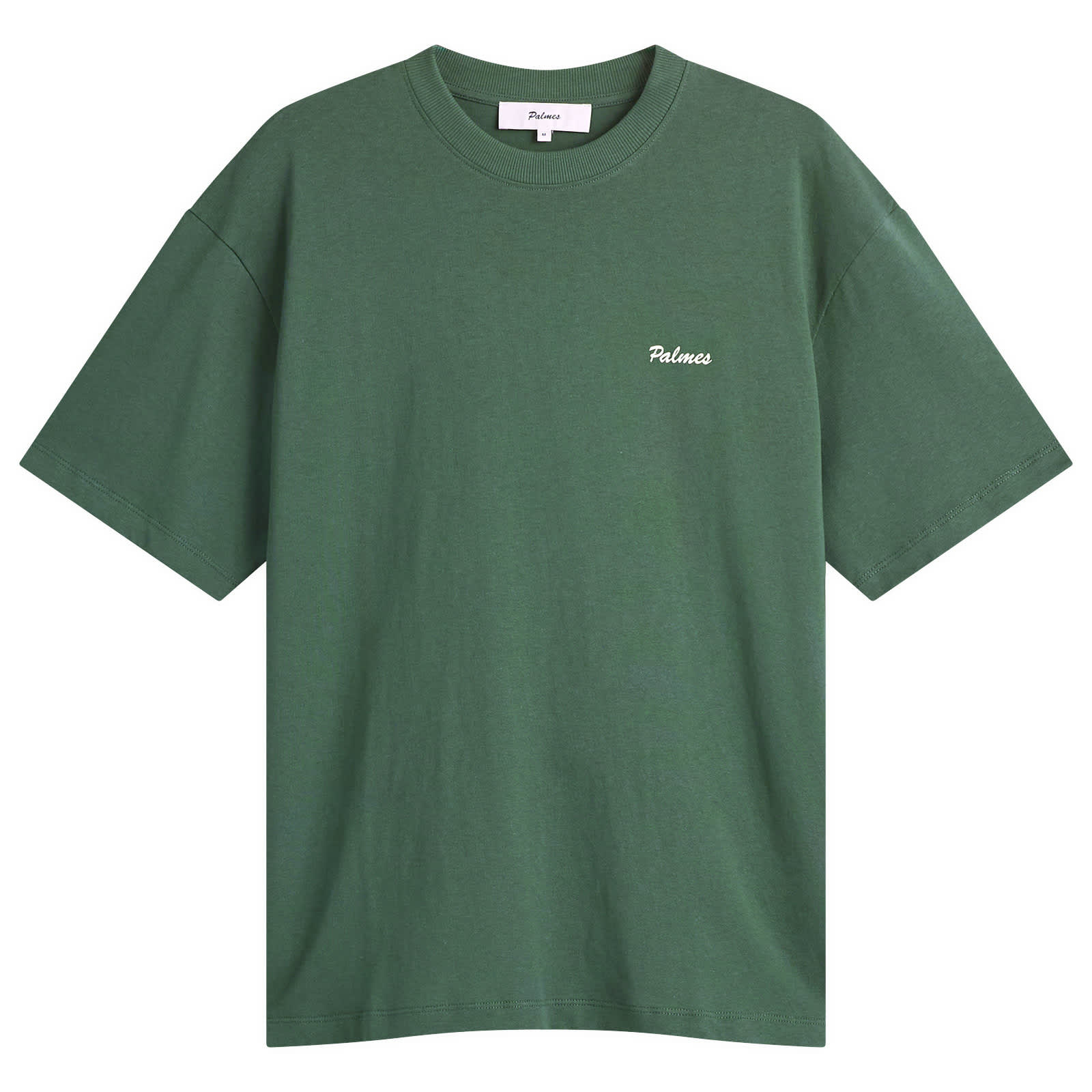
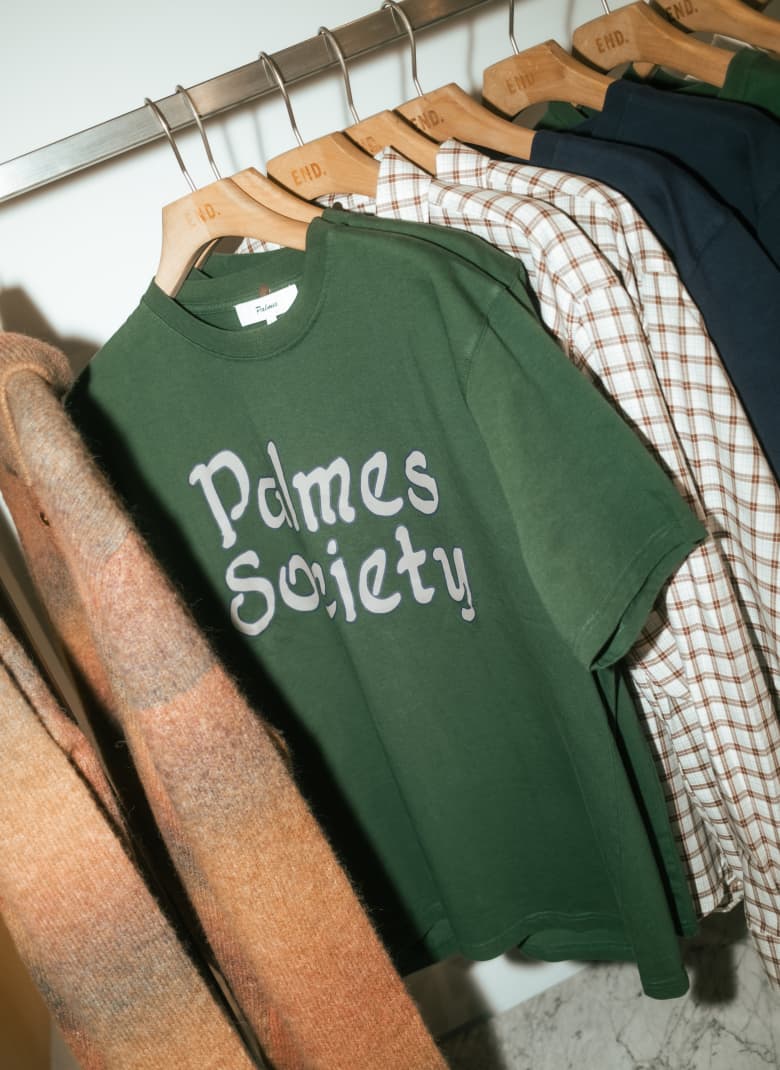
We want to use a lot of colours without making it colorful. If we want to have a green, we pre-wash it or we dye it with pigment dye so it's not loud. We want it to be a quiet noise, have a lot of character, but not be too much in your face. If you don't want to wear a green T-shirt, we want to make the green T-shirt that you want to wear because we make it a bit more approachable. In general, it's all just taking things that are formal, like summer shirting and making it a little less formal, just like what we want to do with tennis. Just making sure that the product has a life of its own. It's great if I'm here to tell you the story, but ultimately if you try it on and it doesn't feel good, it doesn't sit well, the story can only get you so far. So, there’s a lot of focus on the materiality, the hand feel and the quality of our product.
You recently collaborated with ATP – the Association of Tennis Professsionals – how did it feel to work with such an integral part of tennis culture?
In fall of 2025, we launched our first ever collaboration with the ATP tour, which is the official men's tennis tour, the governing body of men's tennis. They’re essentially the group that is running all the events, all the grand slams, all the players play on the ATP tour. We were the first brand for many, many years to be allowed to work with them, which was a great honor, but also very interesting. They're very institutional, probably the highest institution in men's tennis, and we are very much the counter offer to that, trying to really go against the grain of what traditional tennis is. So, working with them is really exciting in our shared love for tennis and in our aspirations of expanding on what tennis can be as a sport and a culture, both on the court and outside of the court.
It was very exciting to be allowed as the smallest brand in tennis to work with the largest institution and really combine those two energies, because I think that they agree that tennis can be so much more than what it is today. That it needs to be for the many, not the few, both culturally and socially.
Tennis is having a cultural moment, with the new generation of professional players across the men’s and women’s game taking on the mantle, to Luca Guadagnino’s Challengers last year. Why do you think tennis has had a surge in attention as of late?
My highbrow thesis is that in this day and age, we are bombarded with sensory stimuli, you walk around, you get 10,000 ads blown into your face every day. We are part of that problem. I acknowledge that. We're all making ads. But in this day and age where everything is fast, where you have TikTok and you can order your food and we don't really need to put that much of an effort into going about our daily lives anymore, because everything has been streamlined for us. Whether that's AI or ChatGPT or if it's the air fryer or whatever it could be. But with tennis, you have to put in the work, and you have to keep showing up and it doesn't come easy. You have to work hard, time and time again, in order to become good at it. But that's also what makes tennis worthwhile - it doesn't come easy and it's not fast calories. It's something that stays with you because you have to put your heart and soul into it. If you don't show up, you're never going to be good at it and you're never going to really fall in love with it, because it takes perseverance. It takes the terror to get the joy. I love tennis. I hate tennis. It changes from day to day, but I never regret going out to play. I think that's also why you see people playing tennis well into their ‘80s. People still play because once you've put in so much work to acquire a skill, it stays with you. I grew up skateboarding, right. I spent a year to learn how to kickflip. Every time I did a kickflip after that, I would get such a joy in my head and in my body because I knew all the work that came into it. It's like input and output or work and reward. If you haven't worked for anything, the reward doesn't feel sweet. Whereas if you've really put your everything into it, then when you get the outcome, it's that much more joyful. I think that's the same with tennis. I have a one handed backhand because I want it to look like Roger Federer. A one-handed backhand is tougher to learn than the double backhand, as well as being less accurate, less powerful, less consistent. The single looks cooler, but you'll lose more points. I wanted to do single because I'm vain, I guess. It took me a year to learn, but now whenever I hit a perfect one hand backhand down the line, the dopamine levels just go through the roof. And that's only because I've put in that much work.
It's the same for me with books. I love to read books. When I finish a long book, it's both been a good book, but I love the feeling of putting it on my shelf because you're at the end of it and you went through it. But you can only get that feeling if you do the work. I think that’s why it is getting more attention, because it’s opposing the sensory overload of every day, modern life.

"It's something that stays with you because you have to put your heart and soul into it. If you don't show up, you're never going to be good at it and you're never going to really fall in love with it, because it takes perseverance."
Looking to SS26, how is the new collection further exemplifying what Palmes is all about? What has inspired the direction of the collection?
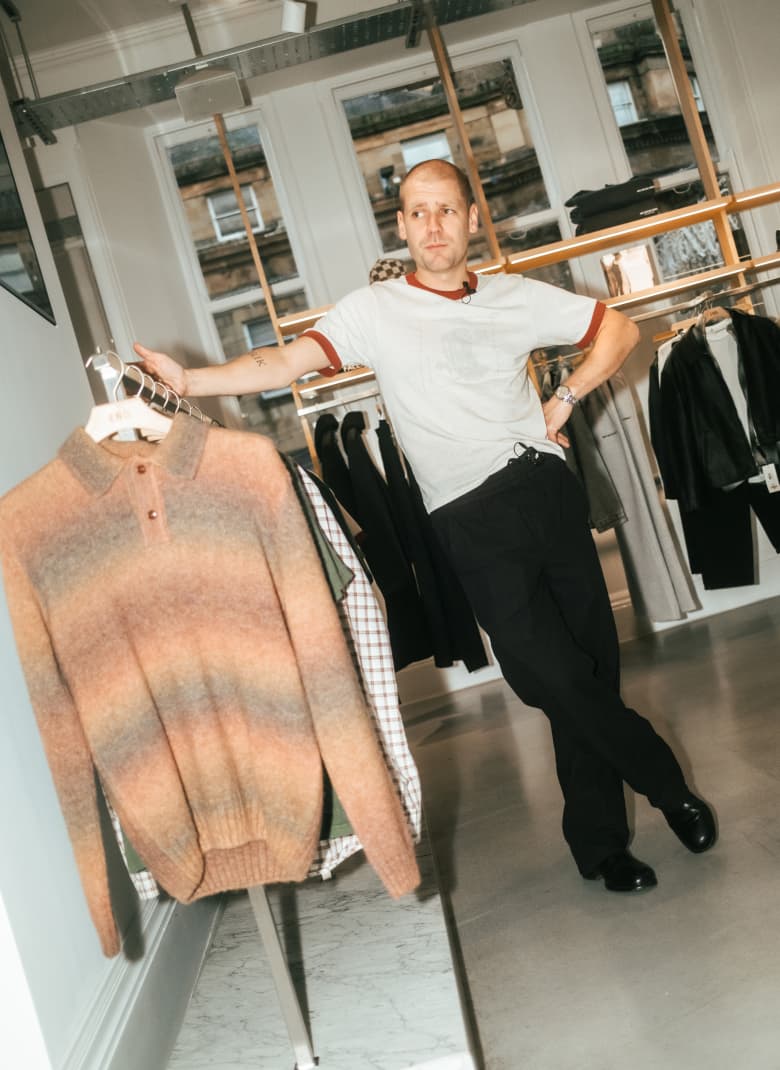
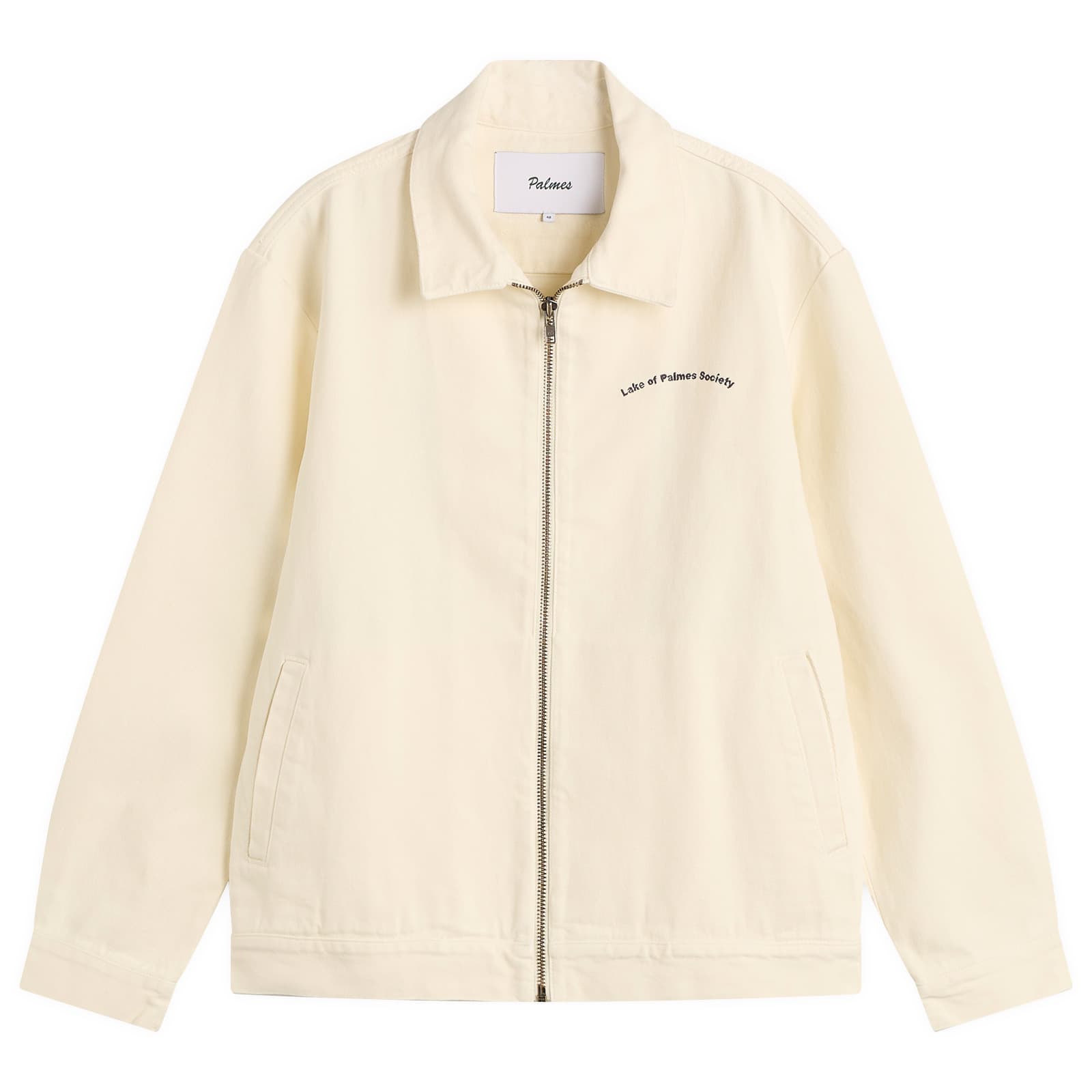
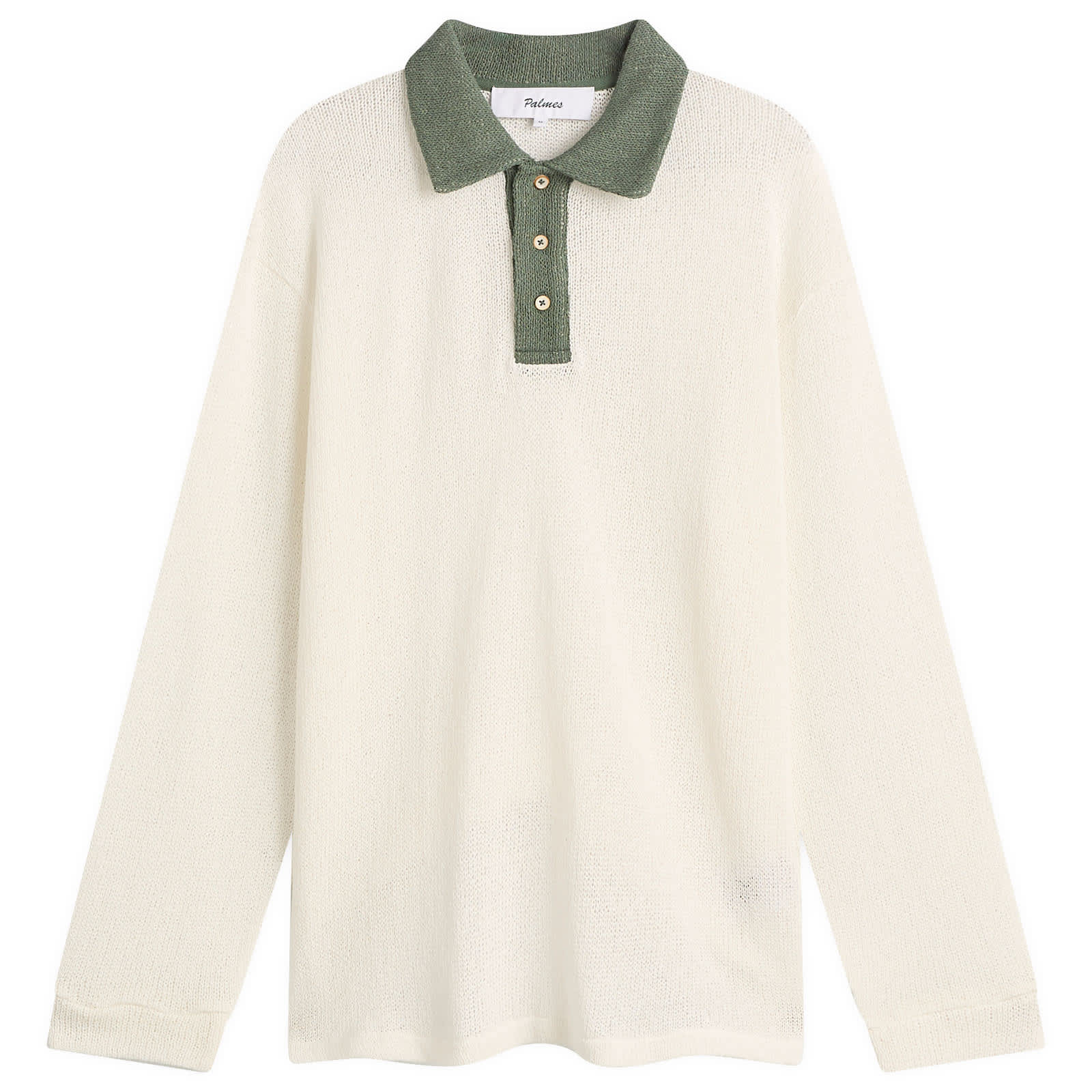
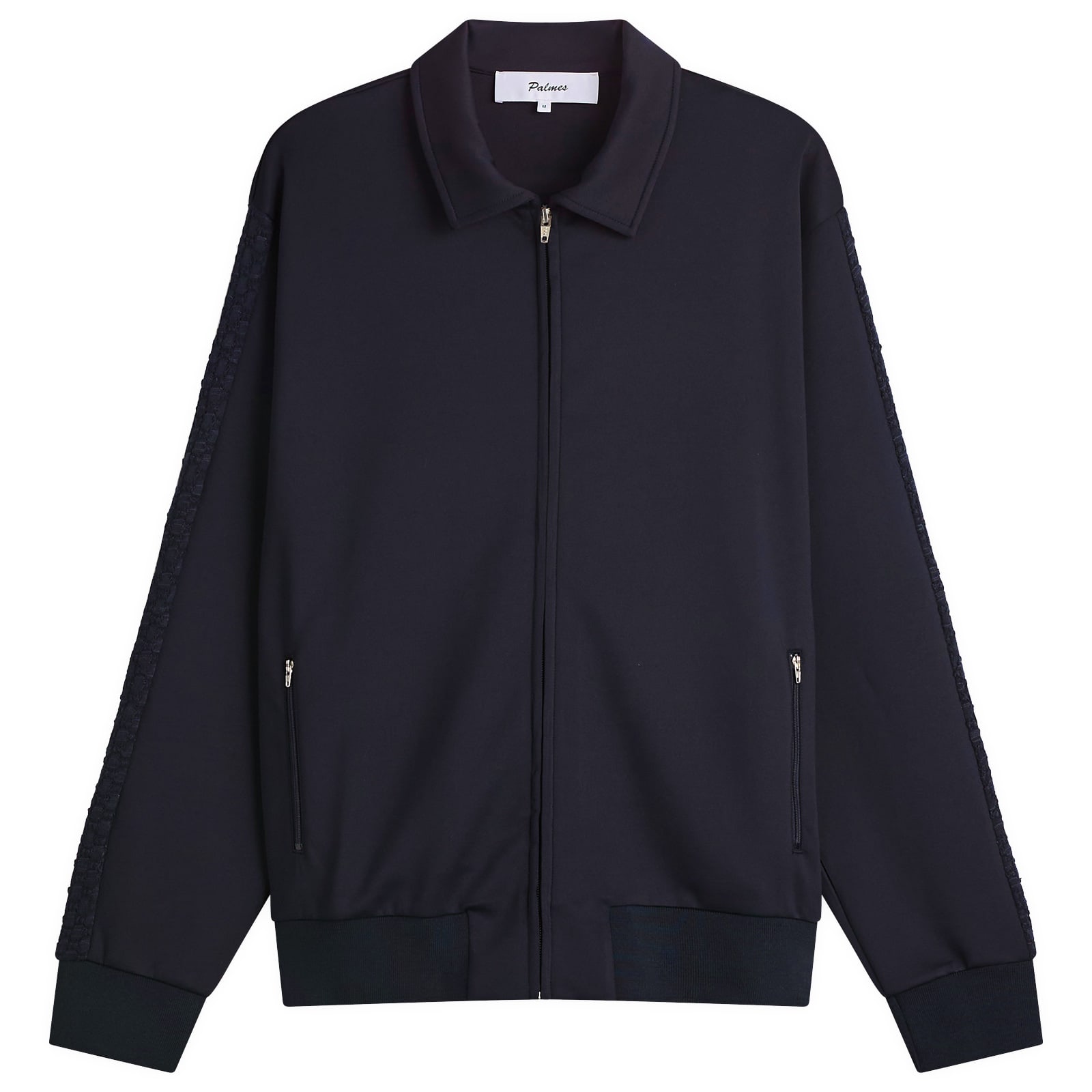
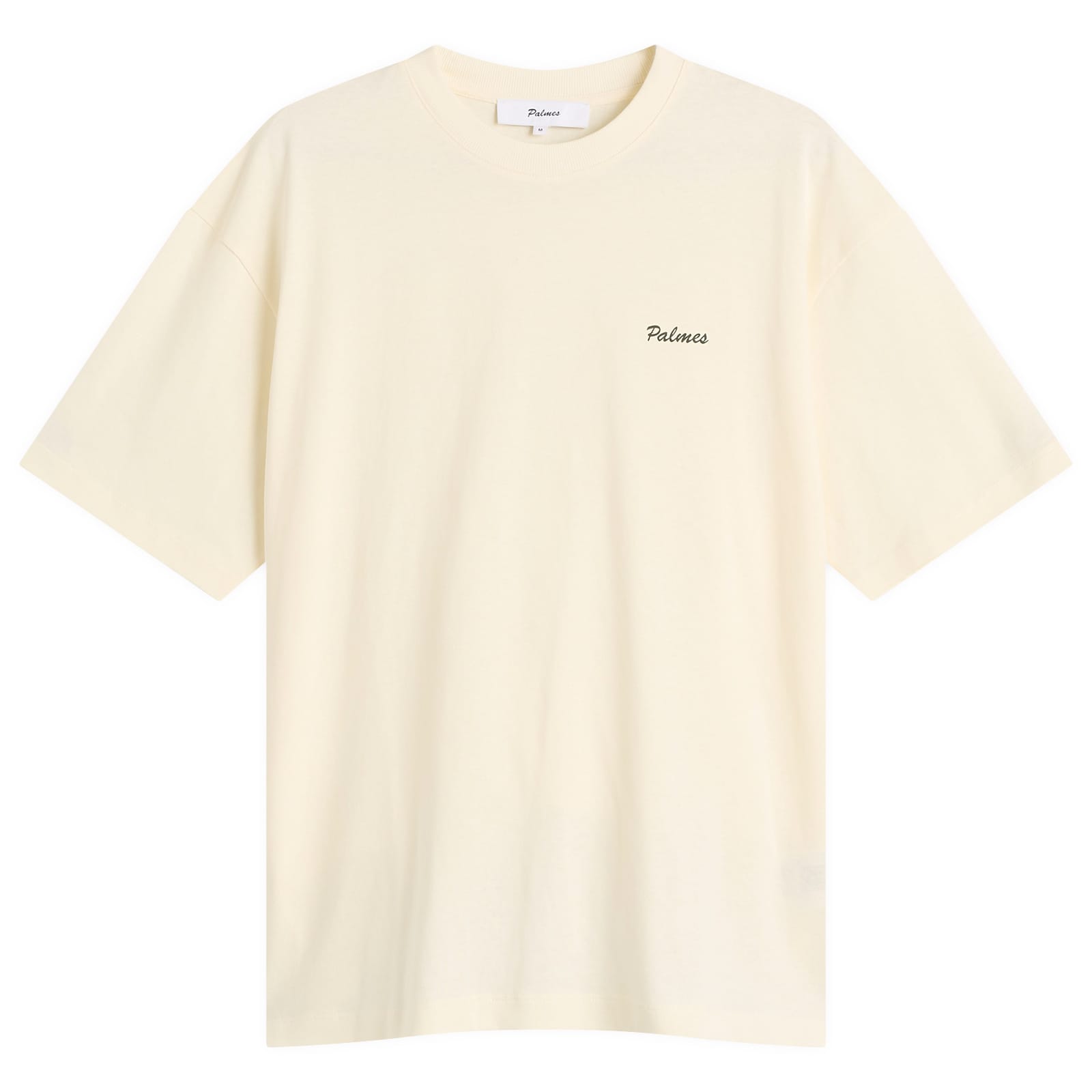
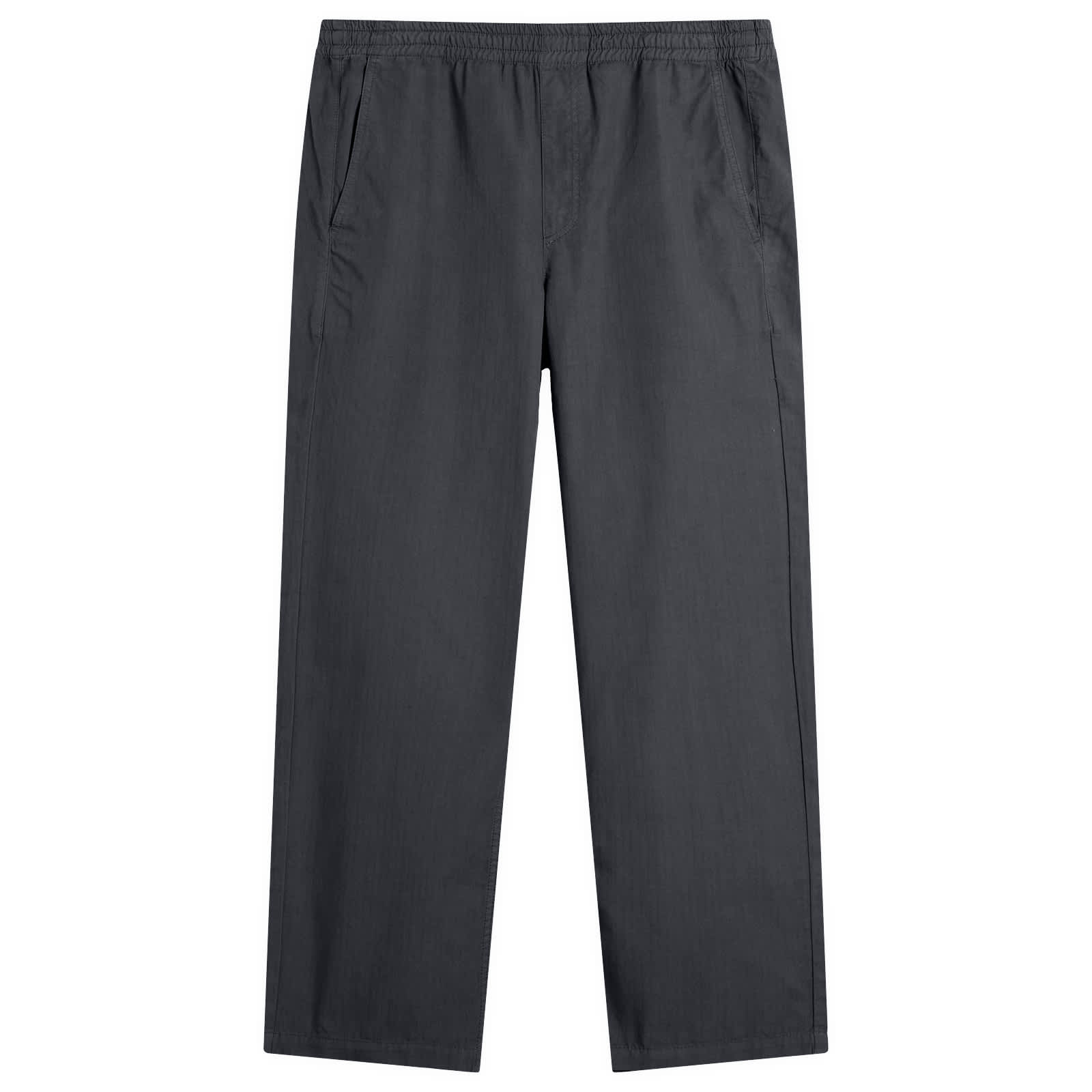
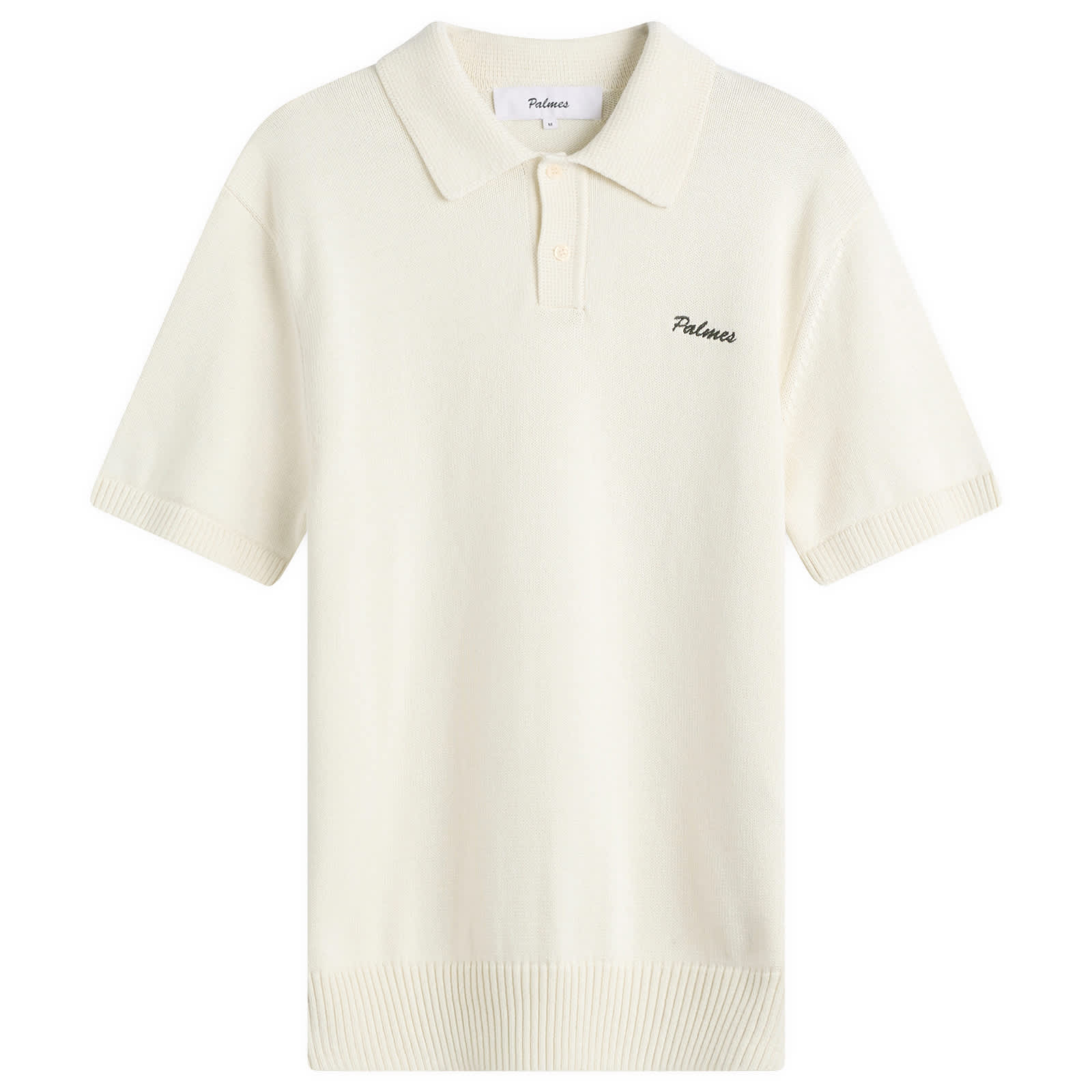
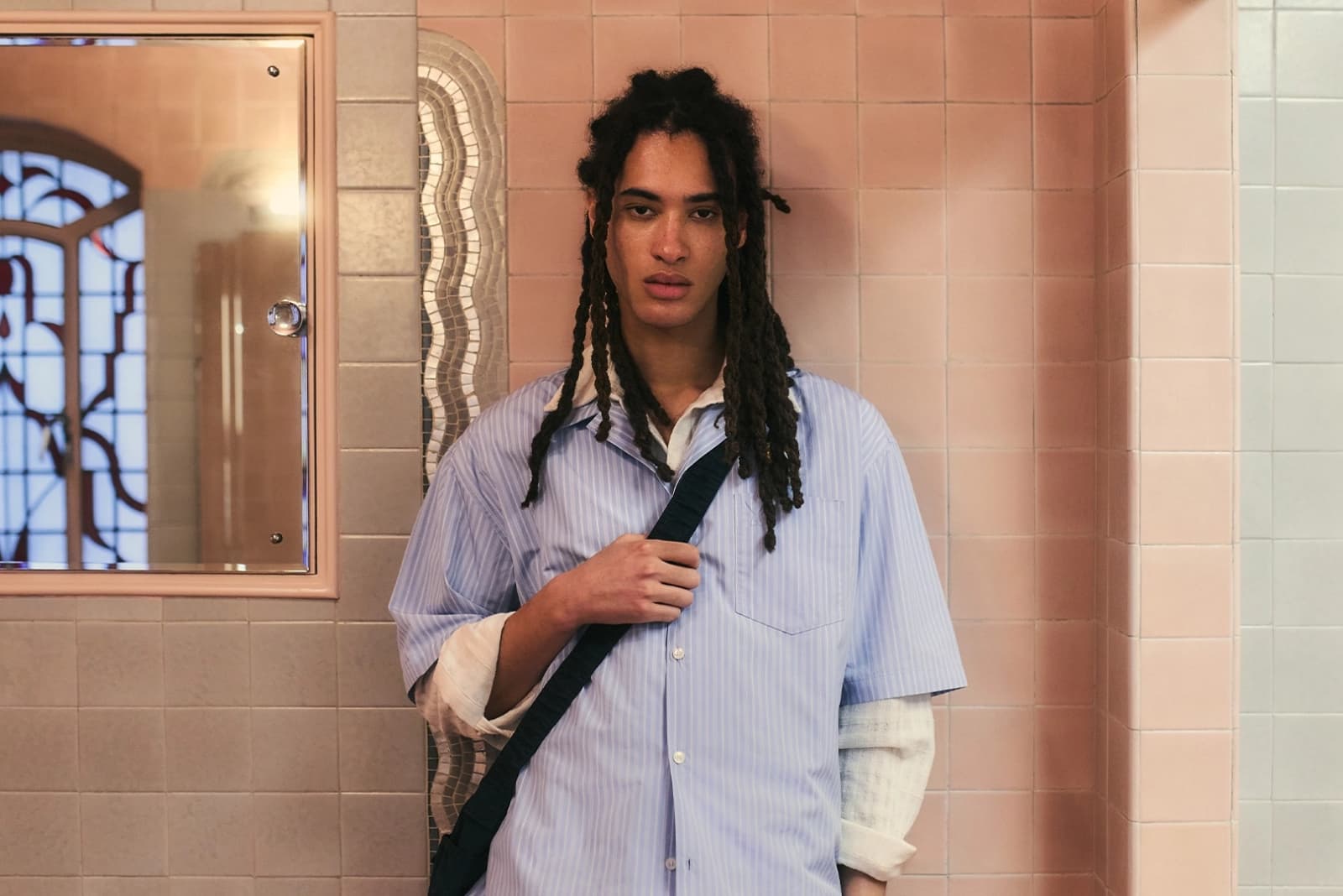
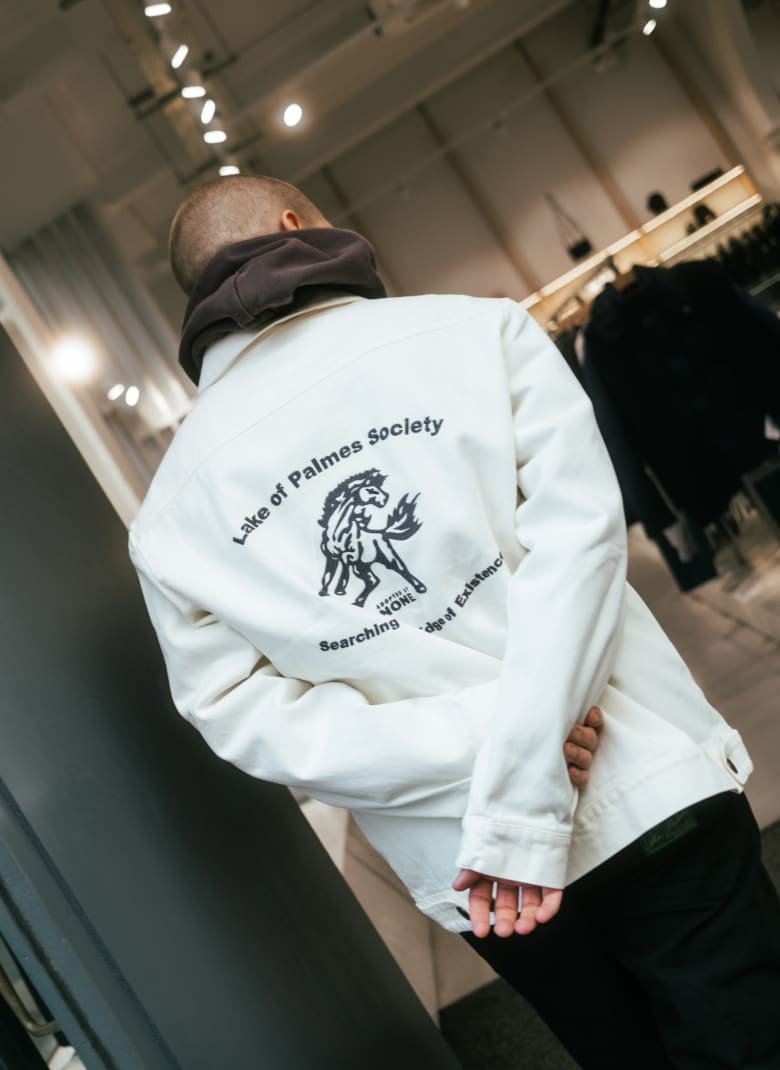
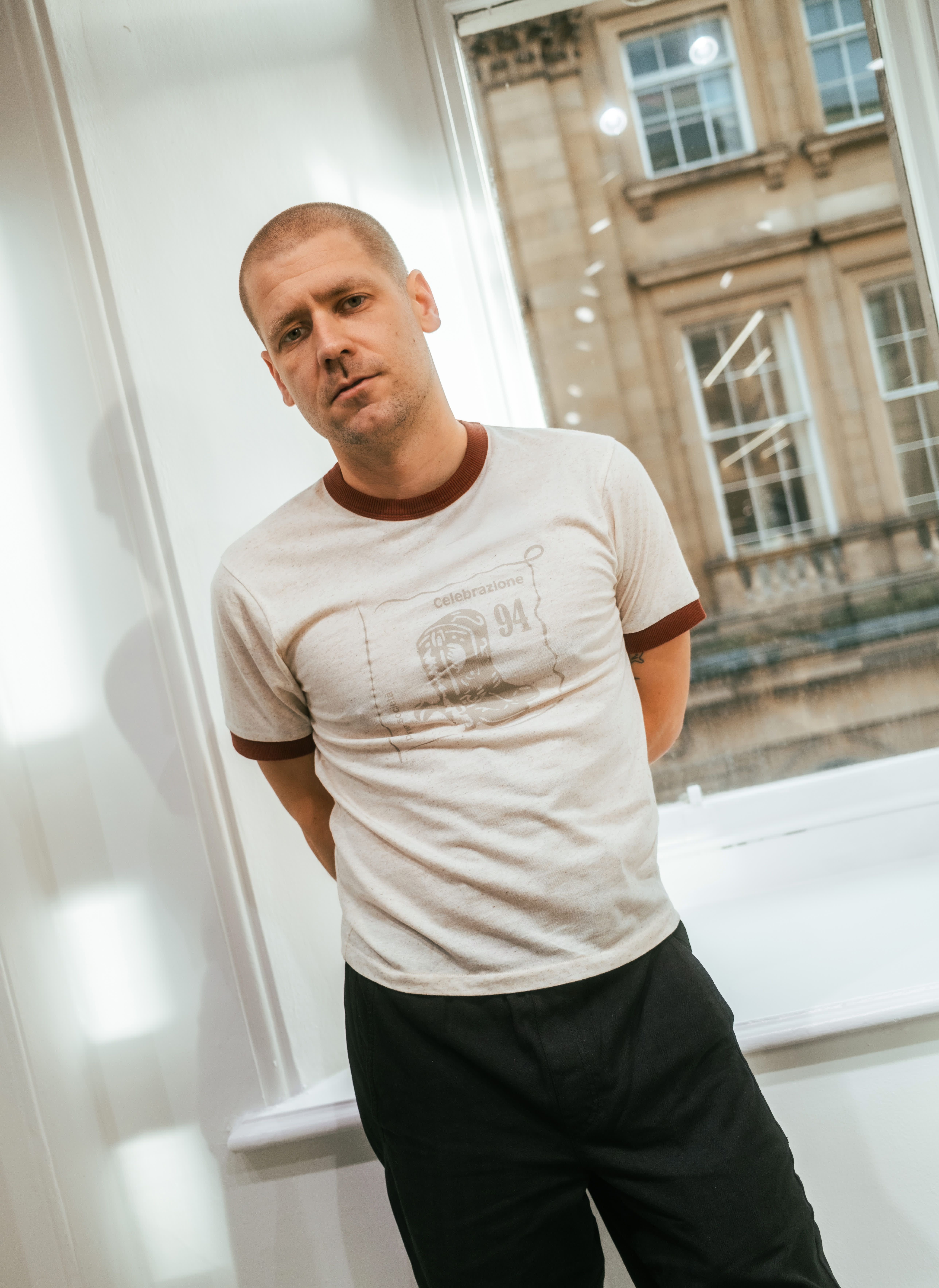
At its heart, Palmes is contemporary menswear with the feelings of tennis, and that can mean a multitude of things. It can mean vintage inspired t-shirts, it can mean tailoring, it can mean shirting, it can mean knitted pieces, because tennis spans such a wide variety of cultures. You can be playing against your garage wall of your childhood home wearing a t-shirt or you can be watching Wimbledon in a suit, so, we basically work with everything in between to communicate our ideas and feelings around tennis as a sport and culture. One of the examples from the new collection is the one I’m wearing, our Celebrazione Ringer t-shirt. It's made from a hemp blended fabric, so it has a really nice vintage feel, slightly tonal print of a little cowboy boot with a tennis ball as the spur at the heel. Contrast collar, slightly snug – a bit more vintage in fit. I really wanted it to feel like something you would find in a vintage store from the ‘70s. Something that feels worn in, really lived in, but still super comfortable and light. Another piece is our knitted interpretation of the polo. This one is a more of a dry, crisp cotton in this open knit so it's slightly see-through. Really nice texture, contrast dark green colour, mother of pearl buttons. Super clean. On the shirting, we have some nice textured cotton linen fabric, with a little garden-like embroidery. Wear it all the way open or open as a camp collar. Our zip jacket is one of our key pieces. It’s made in a really heavy 430 grams organic cotton twill. Super sturdy, nice artwork on the back. I found this on a vintage t-shirt and kind of re-appropriated it for Palmes and put in a little existentialist copy. We have our vintage sportswear interpretation of a rugby top, so it's made in a light sweatshirt fabric, again with the artwork. Nice open rounded collar, contrast collar, and ribbed cuffs.
Throughout the years, there have been some memorable tennis outfits. Who are some of your tennis style icons?
I think what's also interesting about tennis is, in comparison to skateboarding, is that it's a lot about how you carry yourself on the court. A lot of people who skate can do a kickflip, but I might not really care for one person's kickflip compared to another person's kickflip that looks like a Michelangelo painting to me. It’s kind of the same in tennis. Everyone has a forehand and a backhand, but one person's forehand is beautiful, and I don't want to look at another, because it's about your body mechanics. It's like a dance in a way. It's how you relax. It's how you prepare. It's everything. I think if you look at how people move on court, for me, Roger Federer is forever the one because he made it look so easy, which is the hardest thing to do.
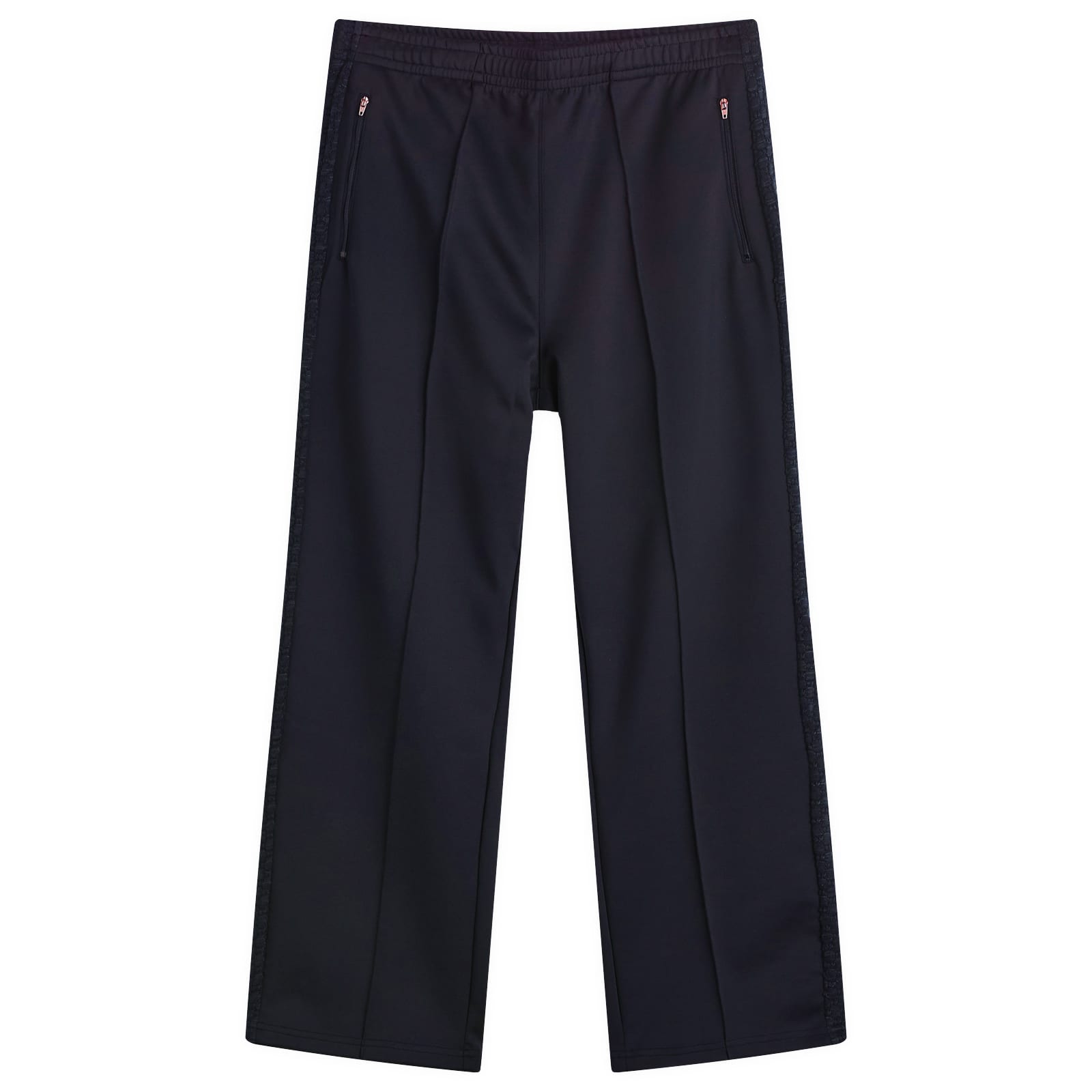
If you look more towards actual dressing, I think obviously Björn Borg and John McEnroe are iconic. Andre Agassi was the one who broke the mold on being really yourself, playing in Nike denim shorts and stuff like that. I like players that have a lot of individuality to them. There's one guy, he's been off the tour for two years, but he's called JJ Wolf. He's from Ohio, I think. He has a massive mullet, a huge forehand, and a big Jesus piece. He's just true to who he is, and it's admirable. He looks very, very sick. Another style icon of mine is Guillermo Villas, the Argentine former number one. He came up in the 70s, played alongside Borg. Beautiful, lush, brown hair, great headbands, He had these track jackets that had his name across the back that were super nice. Amazing track pants as well. Playing in really tight polos and shorts.
Do you feel that the history of tennis style ends up informing what you do with Palmes in any way?
To some extent it does, but a lot of tennis style nods have been very literal. For us, it's more about not telling the same story of that style but uncovering and deciphering the energy that went behind that item and the idea process of creating it. Looking at how can we put that into what we do at Palmes, which is the same process that I go through if I see a painting that I really like. I want to figure out how that painter made that painting, and then how can I maybe apply parts of that process to my creative process to shake it up and drive it forward.