ON THE MOVE WITH VENGAWORLD & MARNIE BRINKWORTH
3 August 2026We sat down with Brayden from Vengaworld and Marnie Brinkworth to get an insider's view of what style means at 100mph.

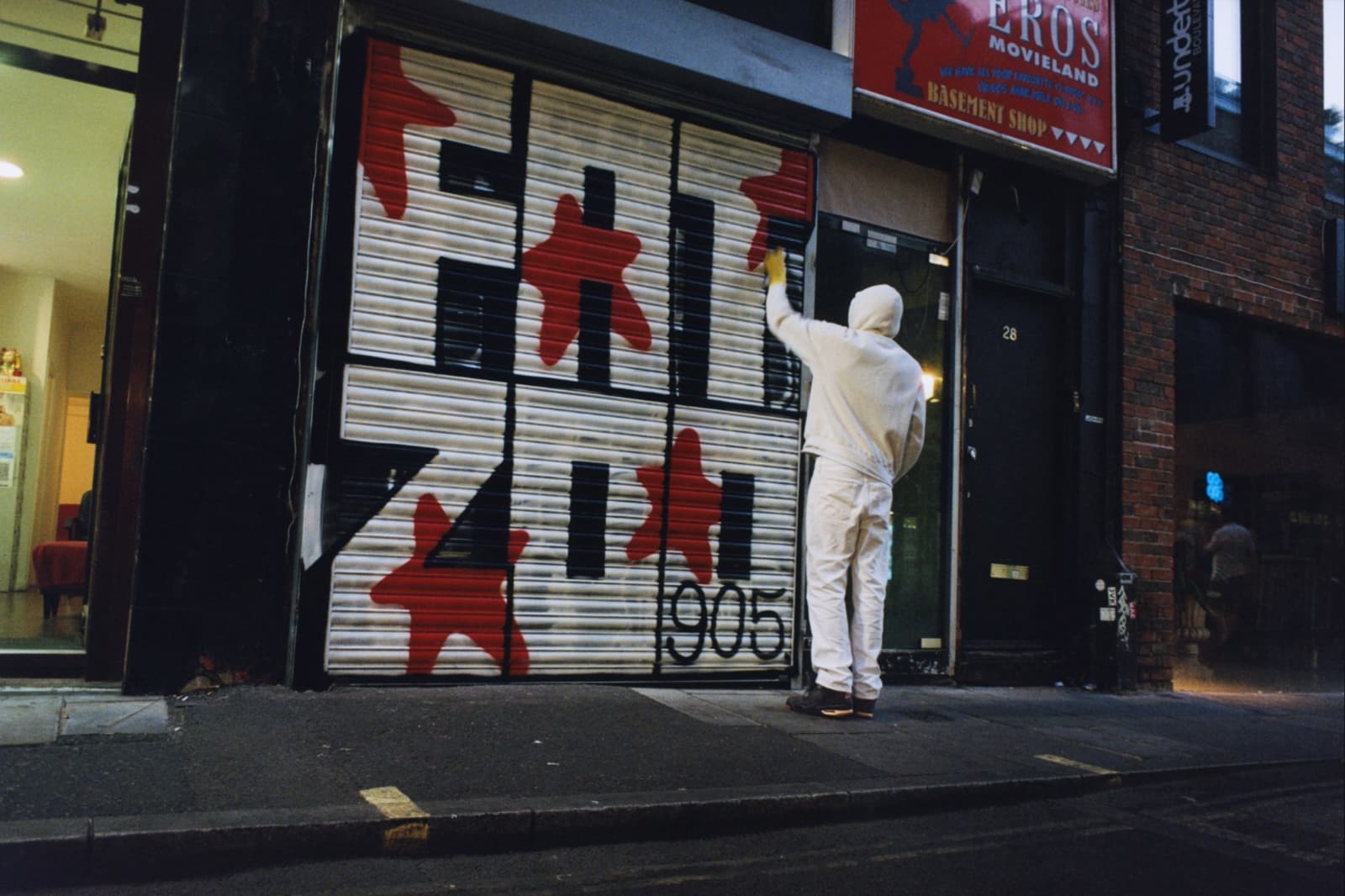
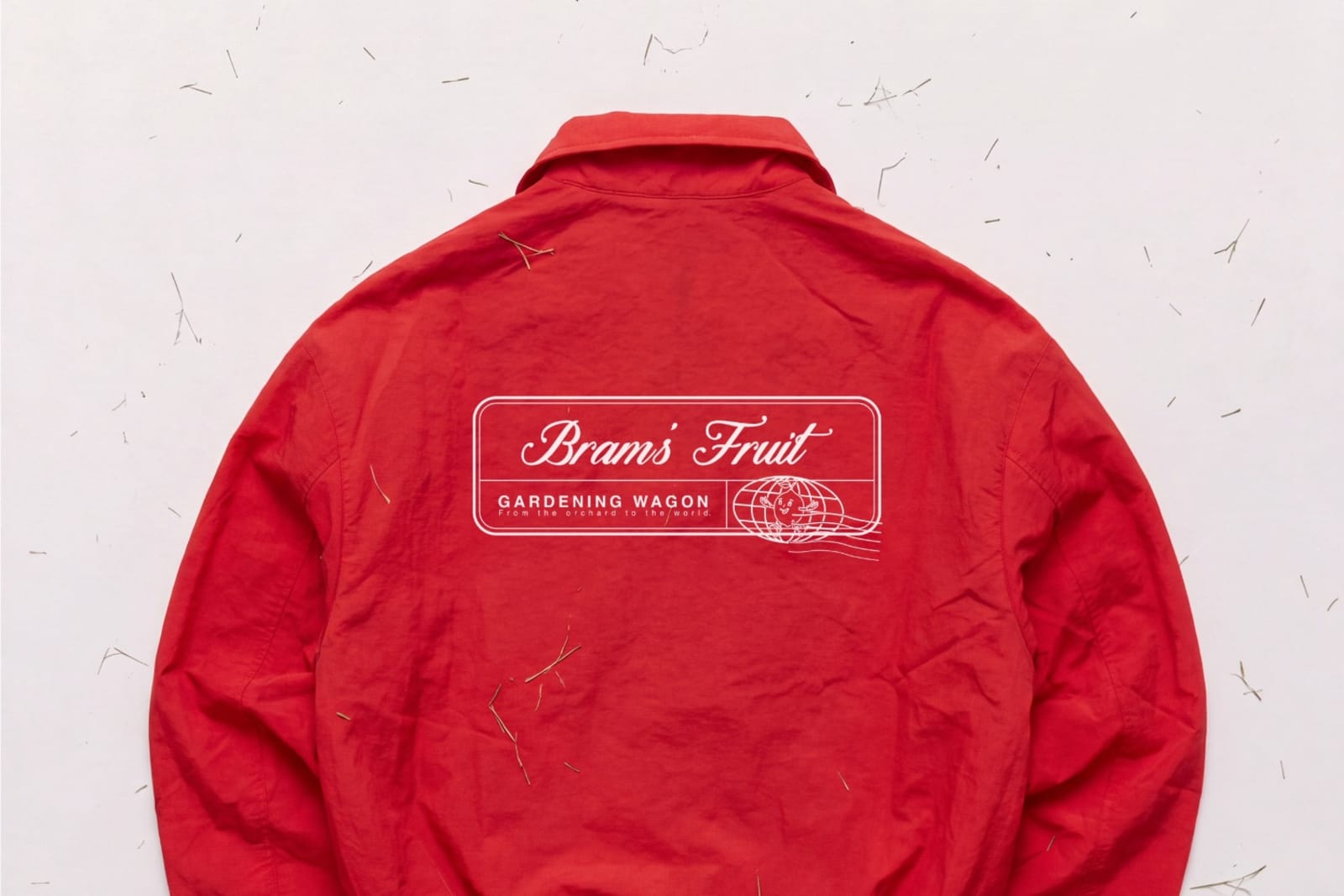
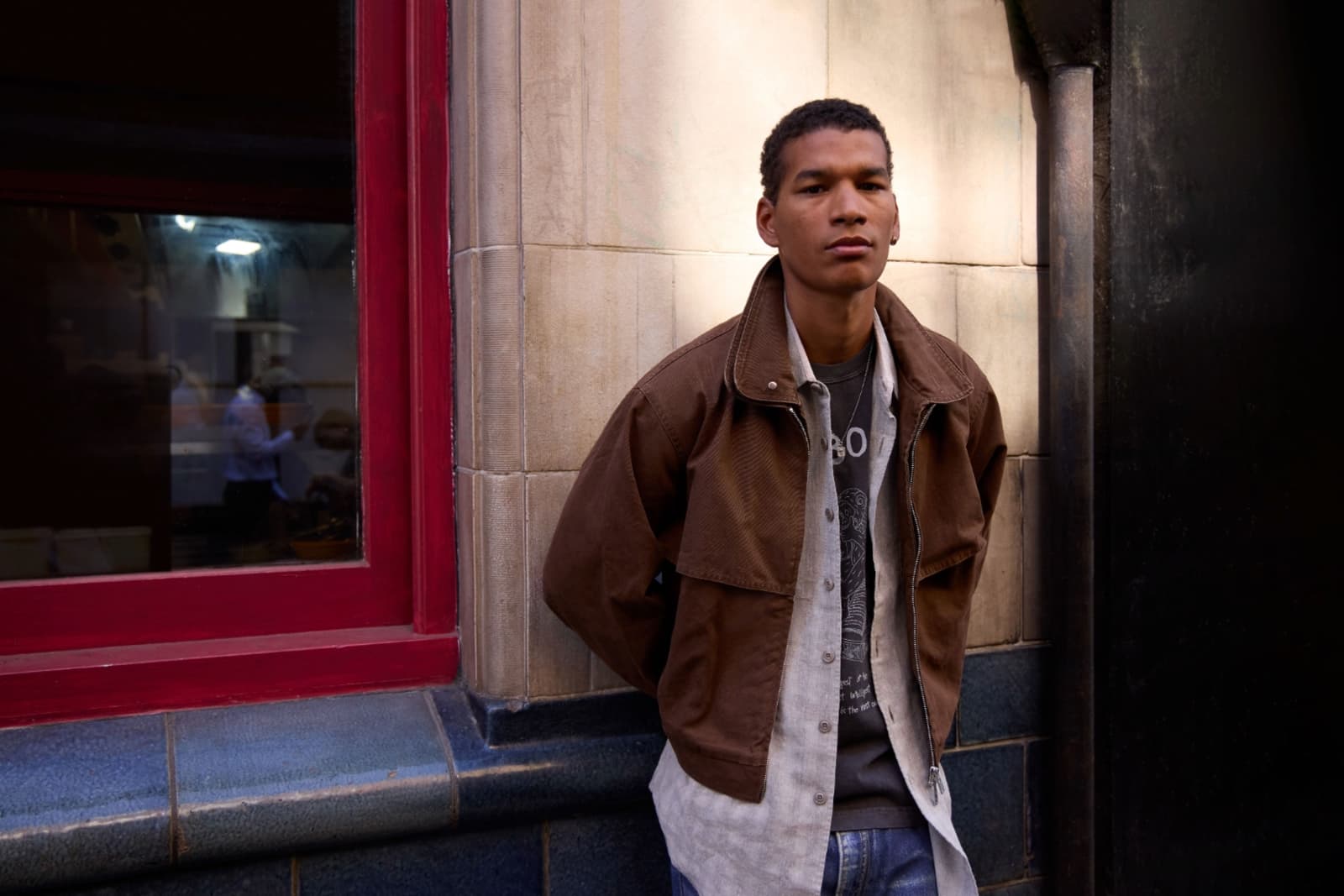
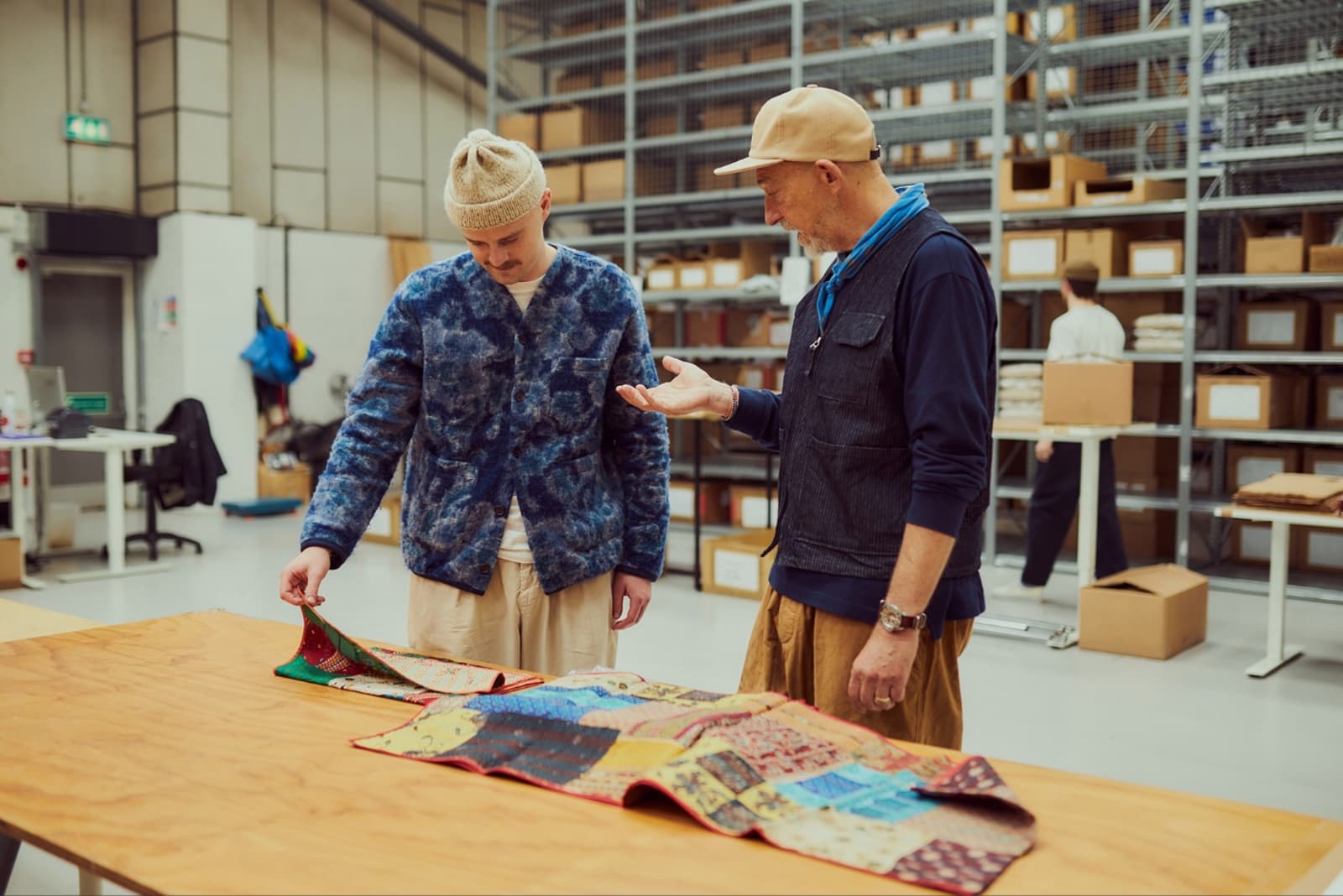
On The Move turns the visual language of racing—liveries, paddock uniforms, the graphics that live on the side of a fairing—into a wardrobe built for everyday wear through a series of collaborative drops. But those codes only carry weight because of the people who live inside them. Speed culture has never really belonged to the grid. It belongs to the flat track paddock, the car park that's free after six, the group chat that becomes a convoy.
So where better to go than two people building that culture? Marnie Brinkworth is a rider and designer raised in the noise of it all. She realised she was first hooked as she helped (or, by her own admission, hindered) her dad in the pits at motoring festivals. Brayden from Vengaworld moved to London a decade ago, found the car scene he'd watched online had all but vanished, and built a replacement from scratch. He's gone from a west London council car park in 2021 to shorthand for London car culture in 5 short years.
Different machines, same instinct. We asked them both where it started, why speed pulls at us, and how style ties it together.


Do you have that one core memory that got you hooked?
Marnie: Helping (or maybe hindering) my dad in the pits at Dirtquake—a flat track festival that sadly isn't around anymore.
Brayden: Being seven in Winnipeg, riding around with my Auntie in her black EG Honda Civic hatchback with subs and chrome Koenig wheels. The city has a monthly tradition called Cruise Night when everyone takes their special cars up and down Main Street while residents get the lawn chairs out to watch. Experiencing that at seven, right after Need For Speed Underground came out, was something out of this world.

"It started out as a fun excuse to get the cars out; Meeting up in west London in a council car park which was free after 6PM, and getting pizza then chatting for hours. By 2022 we filled the car park..."
Brayden: was starting the events just for fun, or did you see something missing in London?
There was definitely something missing when I came to London.
I moved here 10 years ago, and as I got here, the car culture in the city that I had once seen online was dead. ULEZ and Congestion Charge are partially to blame for that. The only culture the city had when I got here was antisocial takeovers. While that’s its own subculture entirely, it’s a poor representation of what car enthusiasts around London and the UK are actually part of.
Throughout 2020 I met several people online who had these incredible cars. That network grew quite big, and suddenly we all had these cars but nothing to do with them. We didn’t want to bring them to the crazy takeovers and we weren’t exactly welcome at the supercar meetings so we made our own space in 2021. It started out as a fun excuse to get the cars out; Meeting up in west London in a council car park which was free after 6PM, and getting pizza then chatting for hours. By 2022 we filled the car park and came up with the moniker Vengaworld.
We created a space for the car enthusiasts with nowhere to go, and now Vengaworld is on the international stage. It’s what people instantly know when you mention London Car Culture.
And what makes a Vengaworld meeting so special?
It's a space for everyone; for a lot of people it's their social life. Somewhere you feel safe, heard and included, where your passion is validated and you can explore new ways of expressing yourself. One of our main objectives is shifting how the public sees car culture.

"When I’m in full flow on a bike I’m focused, which isn't common for me."
Why do we crave the adrenaline and the feeling of speed?
Marnie: Life is busy and demanding, and it's a moment of pure distraction and excitement. You're focusing on the present, like when you're a kid, rather than thinking about dinner, tomorrow, next week. When I’m in full flow on a bike I’m focused, which isn't common for me.
Brayden: It breaks you out of routine and conformity. You concentrate entirely on the present and feel nothing else. Whether you're taking your car out for a drive or flying into Brooklands corner, that feeling is priceless.
Marnie: does your background in fine art and design change how you see bikes?
Marnie: I have all the gear and no idea.
What do you hope never changes about speed culture?
Marnie: The physicality. The discomfort is half the enjoyment in a way. It helps me learn. The bike shouldn't be able to ride without you.


What's the dream vehicle?
Marnie: I've been talking about building my own flat track bike. I like the idea of a Rotax, or a Triumph to run in vintage class.
Brayden: Ask anyone who's into cars and they’ll tell you that this changes weekly. My top three? An all-original silver 97+ manual Toyota JZZ30 Soarer, a Lexus LFA, and a white Nissan R33 GTR with the entire Nismo catalogue thrown at it.
How does style fit into the world of speed?
Marnie: There are great graphics and loud colours out there, but style is really about how you ride. If you're stylish on track, it doesn't matter what you're wearing. That said, if you're going slowly, you might as well give people something nice to look at while you pass.
Brayden: Style is everything. The design of a car is a language: a well-styled one turns heads whether you're into cars or not. The same goes for personal style. It's an expression of who you are. Modifying a car is an expression of yourself, so do it well.