ANALOGUE APPEAL WITH CAFÉ MOUNTAIN
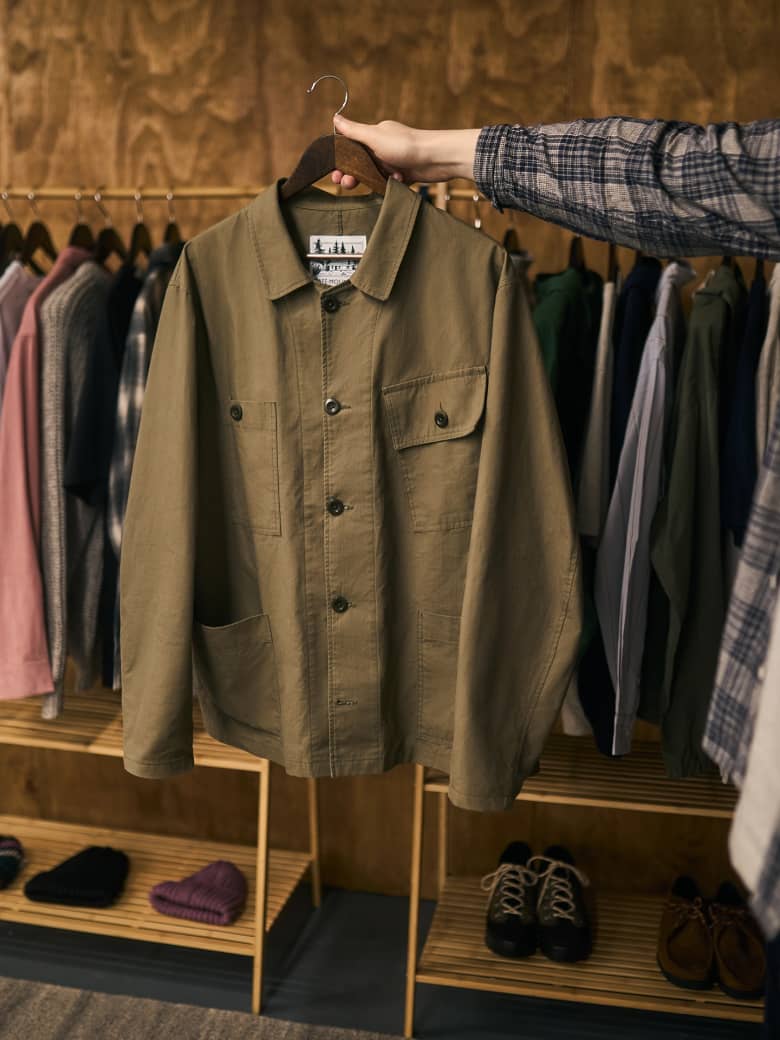
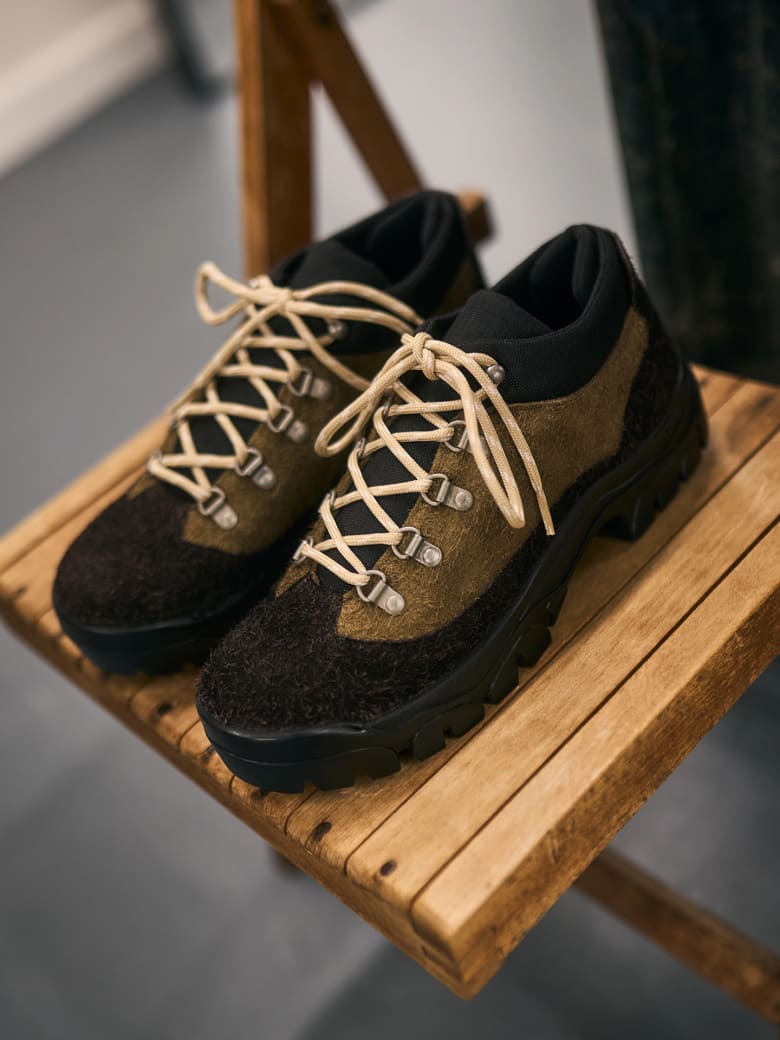
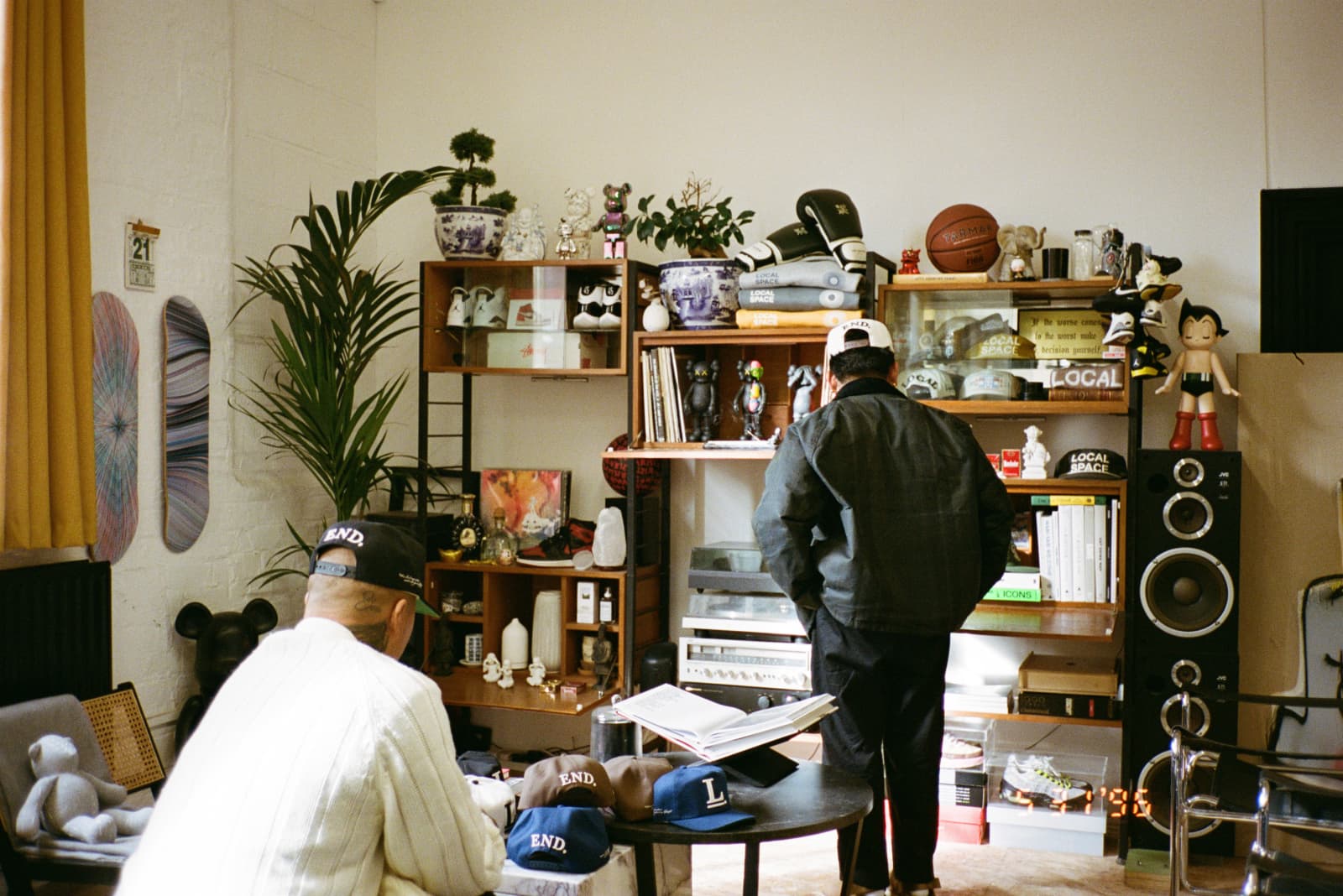
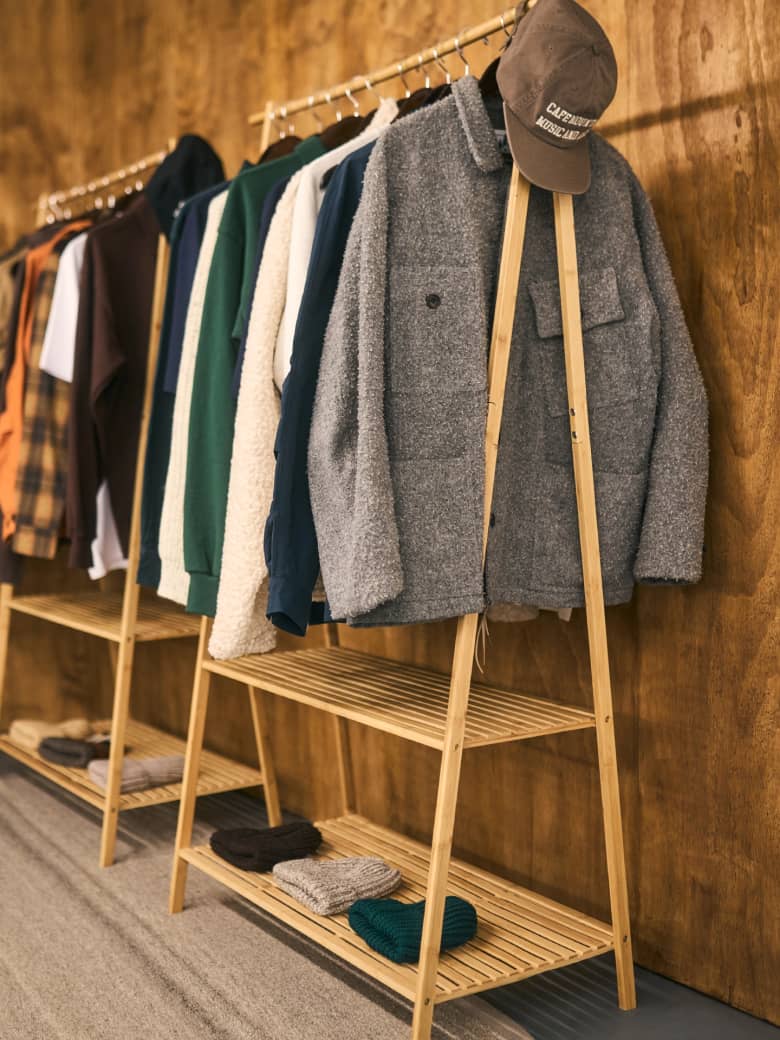
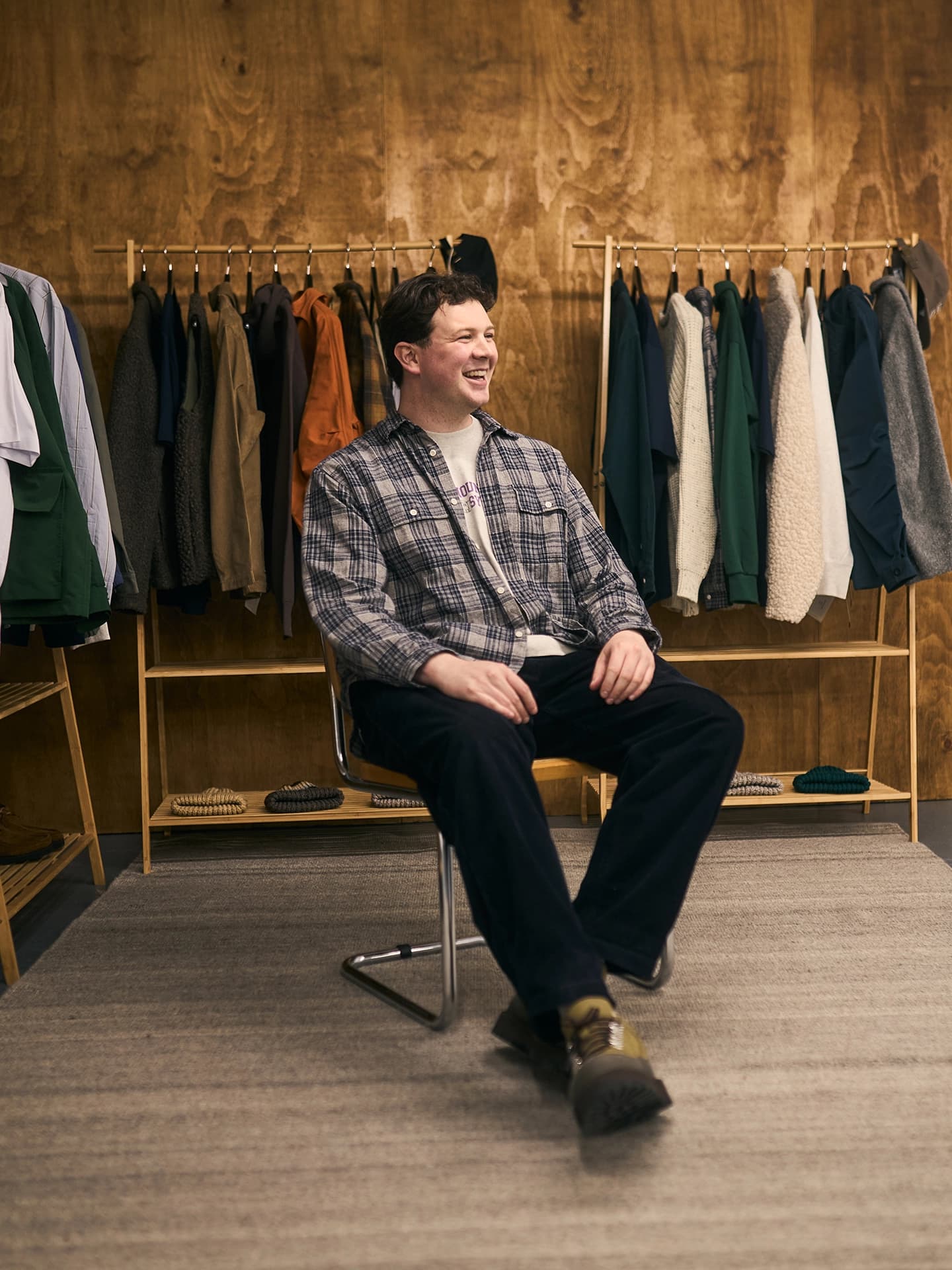
30 March 2026Visting their Newcastle studio and showroom, founder Lewis Wilson welcomed us into the warm embrace of Café Mountain to get hands on with their detail-rich product.
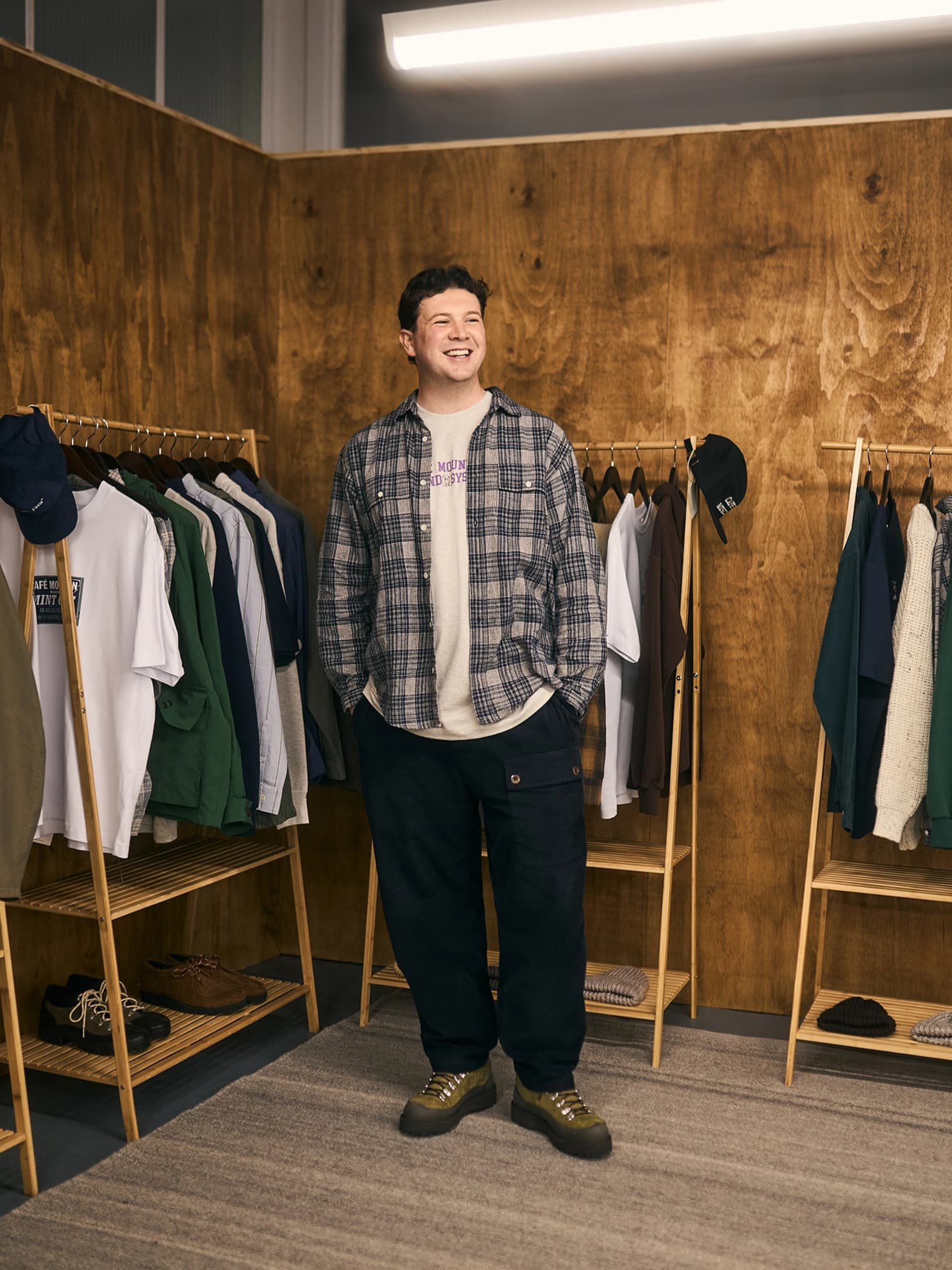
Launched in 2021, Café Mountain has quietly been building up steam over the past four years. Based in the North East’s biggest city, Newcastle upon Tyne, the brand’s slower approach to fashion and design, coupled with a personal and impassioned connection to music, has seen it steadily acquire a variety of fans.
Founded by designer Lewis Wilson, Café Mountain’s outlook reflects his own perspective. Wanting to create clothing that refracts a more rational approach to dressing and a genuine connection to nature, Lewis’ collections drive forward a specific aesthetic sensibility – one that is equally at home taking a gentle walk along the coast or through the woods as it is heading out to the pub to convene with friends over a well-earned pint. Sourcing exceptional fabrics from traditional manufacturers and working with local craftspeople, Café Mountain builds out a holistic attitude to pervades the brand’s product, visuals and overarching approach. Creating clothing that affords its wearer the ability to transition seamlessly between different modes of wearing without overcomplicating things, Lewis’ keen eye for detail and sense of purpose ensures that each item in the brand’s collections can be worn throughout the year, and for years to come.
Sitting down with Lewis at the Café Mountain office and showroom in the centre of Newcastle, we discussed the formation of the brand, Lewis’ design ideology and the crux of Café Mountain: enjoying a slower pace of life.
Founded in 2021 in Newcastle, can you tell us a little about your background and what originally led you to starting Café Mountain?
I've always had an interest in clothes and style from a young age. I'm not really sure where it came from originally, but it naturally led to me working in the industry in various roles, as a menswear designer and then a buyer for a menswear retail store. Café Mountain came about as I'd always had this interest in clothes, and I'd always had the ambition to start a clothing company. The opportunity presented itself in 2019/2020 when I was spending a lot of time outdoors with friends and I noticed this disconnect between what people were wearing and the environment we were in. My friends would turn up with big chunky Gore-Tex jackets on, these big bits of plastic. We would head back into the city and there would be this discomfort as well, when you sit down for your dinner, or for a coffee, and you're just rustling around in this big lump of plastic. It started a thought process where I was thinking how do we fill that gap with something that translates between nature and the city with ease, reflecting the environment around us.
How did you transition from having no design background to where you are today?
In every environment I've worked in, whether it was in a warehouse picking clothes to ship out to customers or working on the shop floor, I always had an interest in picking up on the details of garments. I was getting an understanding of fabrics along the way, speaking with customers, and getting a sense of product by being around the product itself. I was approached about a job designing for Nigel Cabourn, somehow, with no experience. I think they just took a shine to me for some reason! So, I went there and learnt design very quickly, through a very specific lens. Working with vintage garments, UK manufacturing, sourcing things locally, and small batch production. It's through a very specific tone that I learned that, and that's even reflected in the brand now, even though it has developed a lot since that point.
At the core of the brand is a dedication to quality materials, craft and tradition. How do you source fabrics and producers that adhere to your core principles?
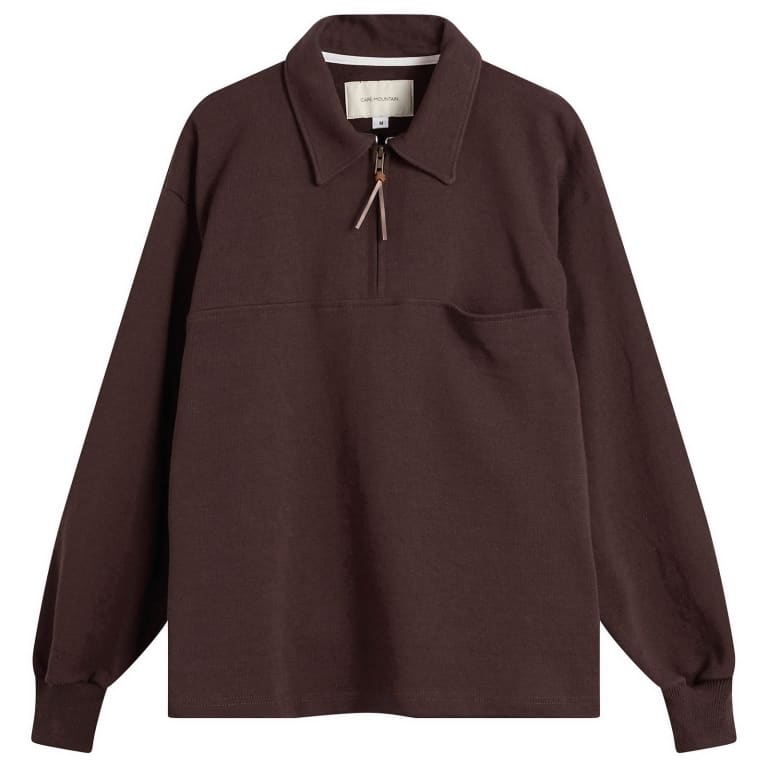
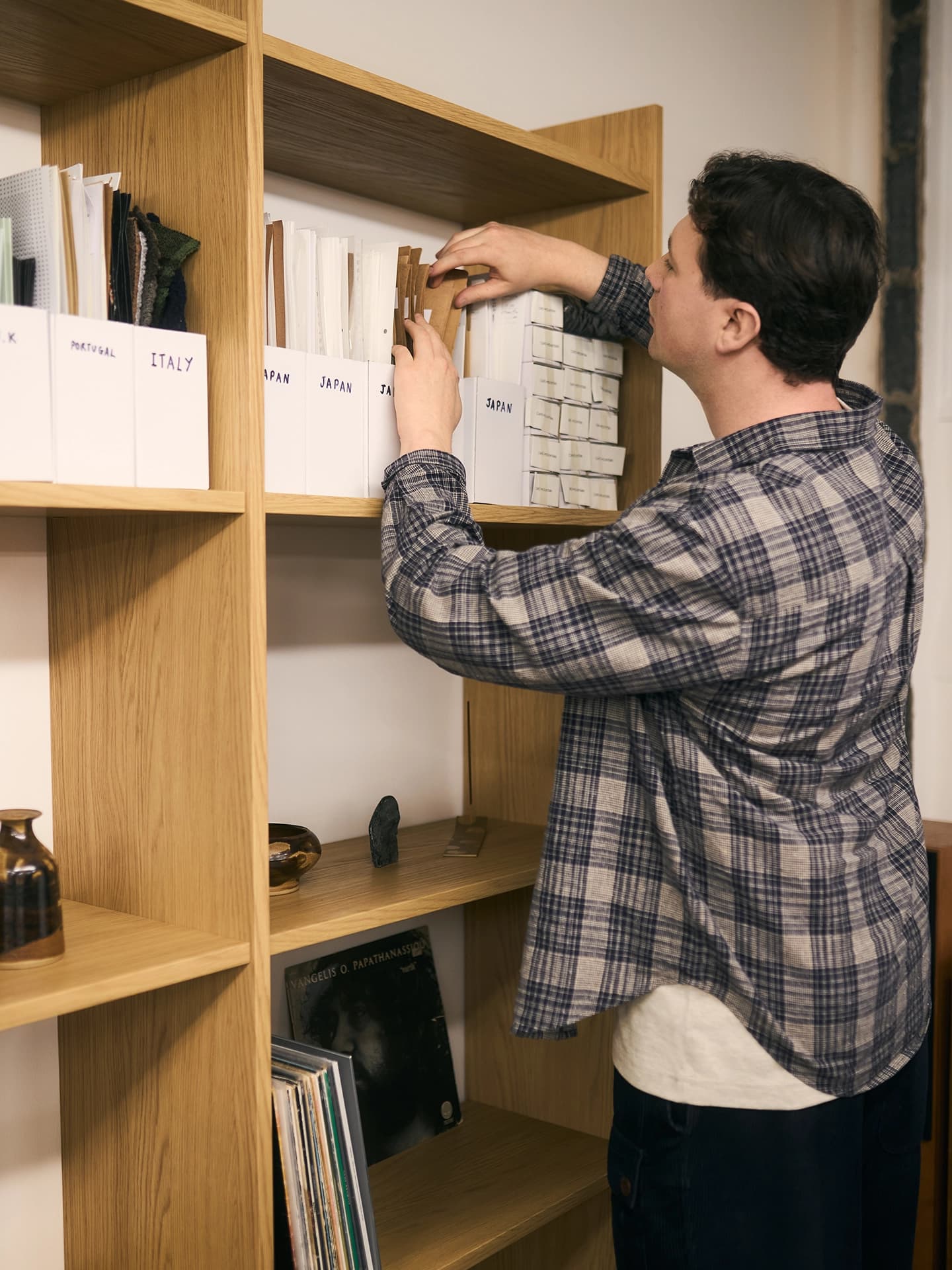
The type of materials and manufacturing approaches that I'm drawn to tend to be things with character in the story and authenticity. That’s something that I try to reflect in what I do with Café Mountain. From a product perspective, it's important that it starts with the fabric that you're producing, the fabric manufacturers you work with, right down to the people who sew the garments. We look for people who've got the heritage story. For example, this season, we started producing some made in Canada rugby jerseys. They're produced by a rugby manufacturer that's been operating since the early 2000s. Our knitwear, again, that's made from British wool, produced by a British maker who has been around for multiple generations. It's important to spotlight the authenticity with the brand from the very start of the process along to when the customer wears it, so they can feel that. If you take our mountain fleece, for example, that's a fabric that's been woven in Tuscany by a specialist maker out there. They only specialise in fleece. Our zip pulls are made by a local guy, Matty from Modest Goods, with leather sourced from one of the oldest British tanneries that's still in operation in the UK currently.
It's important for me to have that through thread from the very beginning, right down to the finish of the trims and the detailing. It goes through many hands, and that's ultimately the process of putting the character into the clothes through every person that touches it along the way. It comes back to having that credible reason to do something. When I first started Café Mountain, it came from a place that was already within me, wanting to create something. It was driven from building those stories, those connections with people, and hopefully giving that to other people as well, so they can feel that when they wear it in their day to day lives. We try to put sentiment in the clothing, because I put sentiment into my own clothing, whether it’s a shirt that you hang on to for 10 years or something else. The stories of the makers are important to preserve.
"What I want to do is drive people into this more analogue, down-to-earth approach, rather than being driven through technology."
As the brand’s name exemplifies, the outlook of Café Mountain is to bridge city and nature, opting to enjoy the slower things in life. What motivated you to focus on this mentality with the brand?
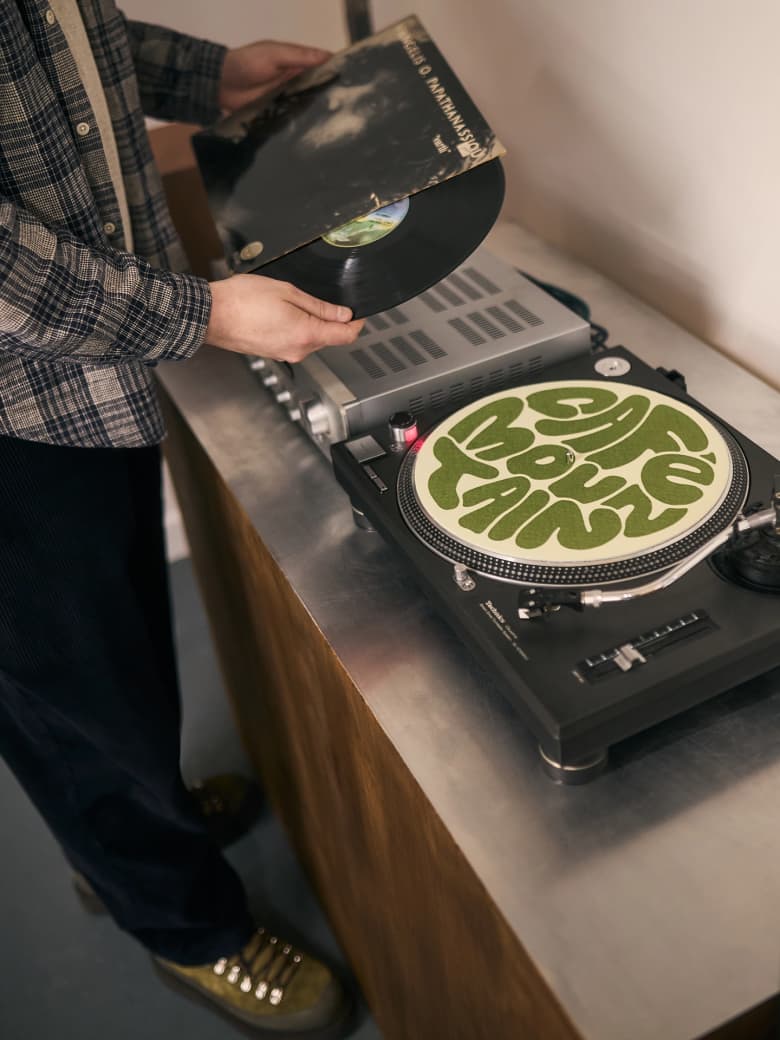
It comes back to that angle of authenticity. In the way I approach things, I quite like to go against the grain, to be the antithesis to something, even when we’re talking about the outdoor movement we were discussing before, where my friends would turn up in GORE-TEX jackets. I then start thinking about the opposite of that, questioning why everyone is wearing plastic jackets in nature. In this day and age, there's a real lack of tangible things, everything's gone digital, ou can’t feel fabrics through a screen and that is a real loss to the beauty of art, craftsmanship and the wider world itself. One of the big driving forces behind the brand is to connect people to nature, but not in some crazy hardcore way. It’s very down-to-earth, whether it's doing a couple of laps around the park, or growing your own tomato plant at home, or even choosing to listen to a record rather than streaming something through a digital service. What I want to do is drive people into this more analogue, down-to-earth approach, rather than being driven through technology.
Your approach to design that pulls from the outdoors does so in a way that feels anachronistic. Rather than producing clothing with ultra contemporary fabrics, you look to honour more traditional natural outdoor fabrics like heavyweight cotton twill and wool. What guides your choice of fabrics when you’re creating new products?
It is circular with what we're talking about. We try to put as much natural fabric in the collection as we can. But in relation to a timeline, if we go back to where the brand started at, one of the original inspirations was looking back to the golden age of outdoors, where people would go out in cotton and wool, rather than Gore-Tex, nylon, these types of technical fabrics. When we use these particular types of fabrics, such as a hand-brushed Casentino wool, it draws out that handmade element, but it takes things back to a time where it was pre-technology era. It's not a purposeful time frame that I'm referencing, its more an unintentional reference, just down to having an appreciation for a certain quality.
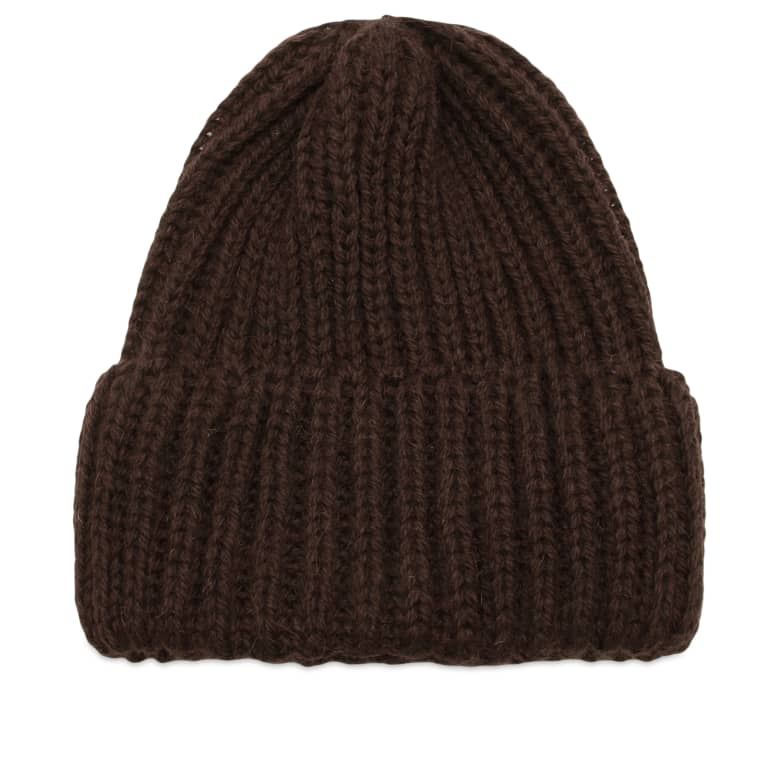
Realistically, my approach to things is meant to be slow and down to earth, we're not doing anything too hardcore. We're not going up Everest or anything like that. I look back to my own family heritage as well, and my granddad in particular spent a lot of time outdoors, without the need for any of this equipment. He's lived a very nice, modest life, with access to the outdoors in a very easy and leisurely manner. He’s always kitted out in wool jumpers, and that's something that I reference in the brand now, like our knitwear. The first model that we did, the Holmes knit, is named after him. We do also use some non-natural fabrics in our collections; a version of our Telemark Smock is made from a Japanese 60/40 cotton nylon. People were actually going up mountains in this fabric when it was first pioneered. It's water resistant and windproof, but it doesn't have anything extra that you don't need. With our choice of fabrics, it always comes back down to that simple stripping back of the unnecessary and creating garments that do what you need it to do to get you through the day-to-day, and also have a story.
Beyond the interplay between the city and the outdoors, music is evidently a big influence on the creative outlook of the brand, with your “Music and Arts” graphics often appearing across tees and caps, as well as a collaboration with Eternal Sun festival in Sougia, Crete. What role does your passion for music play in Café Mountain?
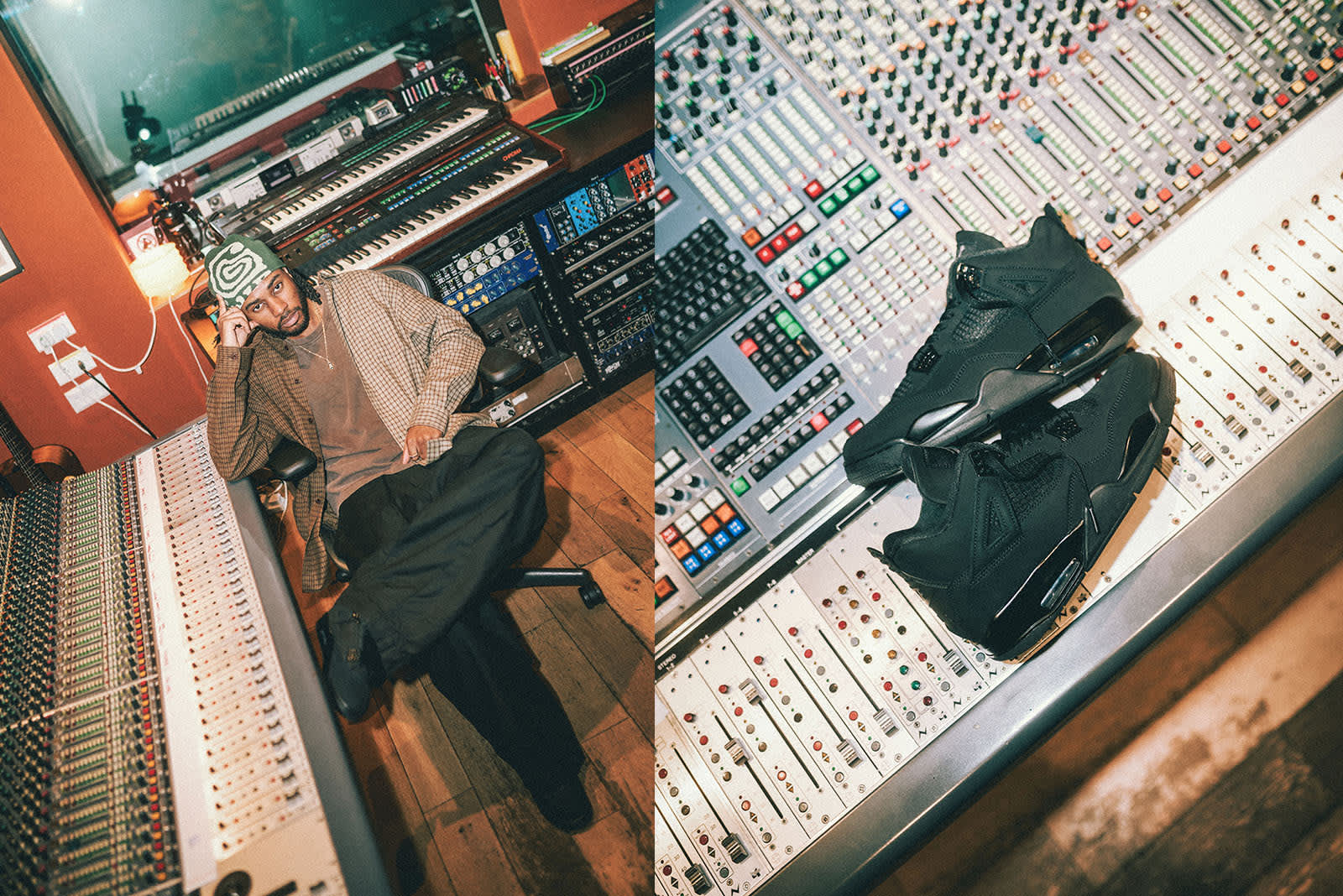
Much like clothing, it is something I was always drawn to. I've got a pretty bad memory, but I always remember my mam having an amazing CD collection when we were younger. I started collecting records, maybe imitating that collection, seeking that memory and tying things to it. Again, it comes back down to having something tangible. For me, I can pick up the records and go through them. That is an element that I want to bring out on the brand as well. It's that idea of enjoying analogue things, not directly consuming digital music, although I’m not against that. It's just my preference. I like looking at the artwork. It’s become more of a cornerstone in the brand as well. Music, craft, and arts in general are what inform Café Mountain and the lifestyle that I’m trying to create and encourage.
Outside of Café Mountain I am also co-founder of the independent record label Magic Ritmo, and also Eternal Sun Festival, a 3 night party in the beautiful village of Sougia, Crete, where emphasis is put on small scale, quality sound and DJs and also the nature that surrounds the festival itself. It made sense to bring Café Mountain and the festival together in a project, as they share much of the same inspirations and values, although very independent projects in their own right that I work on with Adam (REES).
There's an all-encompassing approach in the craft of what you're producing, but also then craft in other artistic ways.
Yeah, 100%. The thing that I want to highlight as well is, is that you can connect with these things in your life in different ways. It doesn't necessarily mean you're going to go out and forage for mushrooms, but it could be something that's listened to instead, such as listening something that's made with organic instruments, through an audio sound system. One thing I want to highlight is that we're very aware of the pretentiousness that can come around these kinds of ideas, so we also do like to imitate and almost make fun of the idea of those things themselves. Again, it comes back to that down-to-earth approach, and we don't like to take ourselves too seriously, although we make seriously informed clothes, but maybe not very serious in how they look.
"If we created this brand in London, I don't think it would be authentic to what it is, because the landscape and the culture that surrounds it here is unique."
A stone’s throw from Northumberland and the coast, has the location of Newcastle inspired your output with Café Mountain?
Absolutely! Like I said, when I first started the brand, I spent a lot of time outdoors, and that was encouraged by how close the city was to being out on rolling hills, which is only 15 minutes from where I live. That was the centre point. But also, I grew up in a place called Seaham, which is a small, ex-mining town by the coast. People would be rocking around in crazy outdoor jackets from a young age. I remember seeing these outdoor brands around, probably not really understanding them back then, but now I look upon it with a fondness and I try to bring elements of that across when I design. If we created this brand in London, I don't think it would be authentic to what it is, because the landscape and the culture that surrounds it here is unique.
Incorporating playful graphics that nod to vintage tees into your product offering, there’s always a sense of personality and personal taste that comes into play with the brand. What guides your attitude to the graphic design elements of the brand?
It always comes from the cornerstones that we've mentioned, the roots of nature, music, arts and craft. We’re playing on those elements and putting them through the Café Mountain lens to see what comes out. One graphic piece that we've got this season is a mint cake tee, which is really just a reference to my fondness for mint cake. I didn't realise how niche it was until I took this T-shirt to Paris, and everyone was asking “what is mint cake?” It's a traditional mountaineering snack; all the great hikers of the 60s, 70s, and beyond, consumed mint cake as an energy source. So, it’s those little hooks we like to play on. I'm very fortunate to have worked with some amazing graphic designers. Josh Aitken, who's a local guy, Austin Rossborough, and Korey Martin as well, these three graphic designers have done a lot of the graphic work for us, and they fully understand the brand, and understand what we're trying to achieve with it, so it's great to have them as part of it as well.
We put a lot of effort into what goes into the garments, behind the scenes, and we take that very seriously. I think having a playful graphic kind of softens that seriousness, which makes it a lot more relatable to people. I want the brand to be down-to-earth, relatable. I don’t want it to be anything too obscure or elitist for people to be pushed away from.
At Café Mountain, there seems to be less focus on centring a specific product in the collection, with the focus aimed at presenting the whole offering as something that is timeless and will remain a steadfast in a customer’s wardrobe. What does timelessness mean to you as a designer?
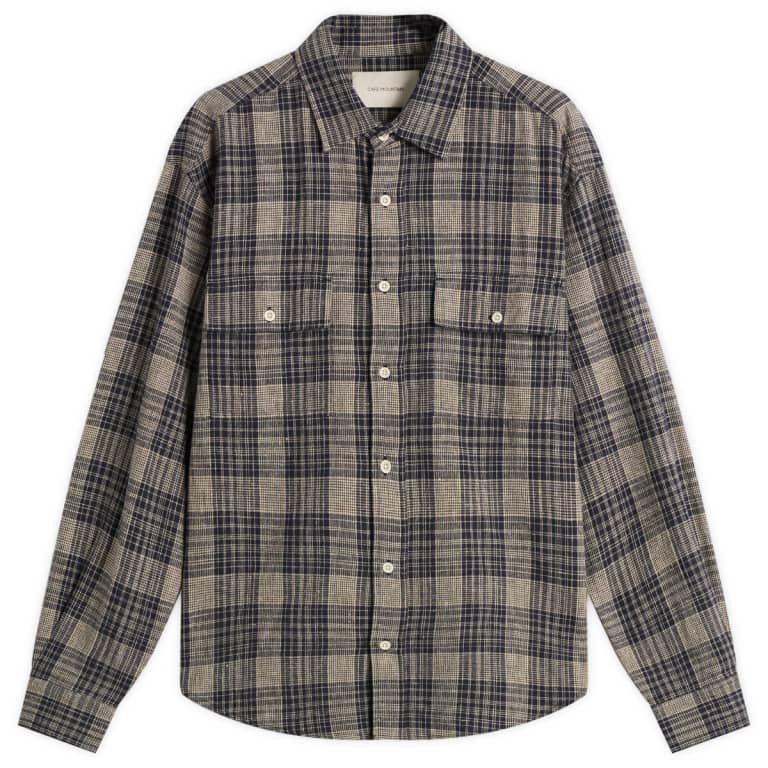
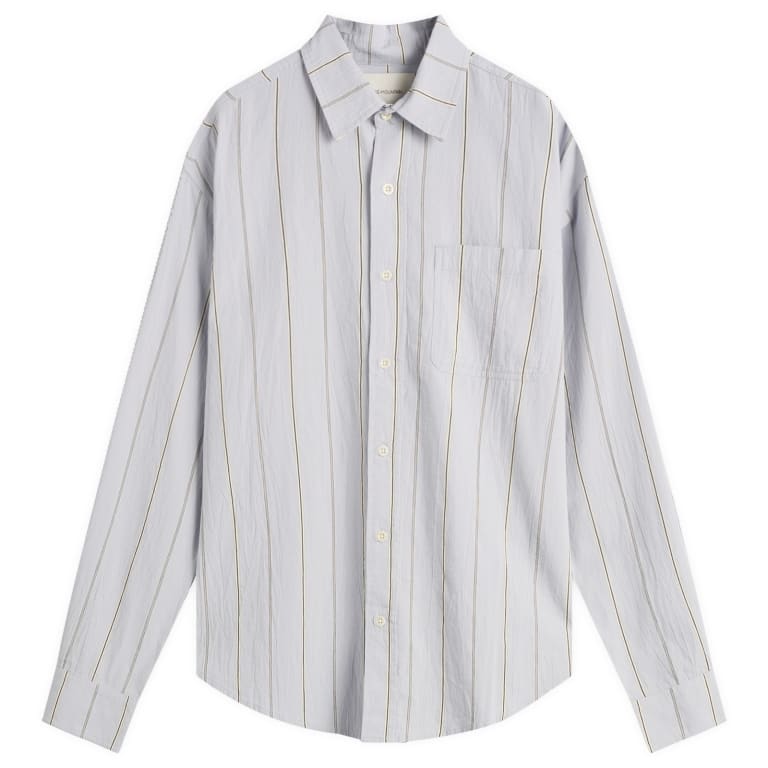
Timelessness is a very important thing. What I'm trying to create here is something that you can, hopefully, pass on to future generations. It’s made from the point of design, to where the fabric comes from, to who's making the fabric, to what the fabric content is, to who's making the garments, and to actually having the design that can transcend a specific moment in time and not be too severe. For me, that's what timelessness is about; it’s something that you can pass on. Something that can sit tight, effortlessly in your wardrobe for years. Something that you can love and treasure. One of the things that I particularly love is the shirting that we've developed. Although these are products that have just been produced this season, I feel like they've really got a sense of nostalgia in them. Through the material choice, certain collar shapes, even down to the buttons we've used. It's built in with detail that'll hopefully transcend beyond one or two seasons, and someone can wear them for the next ten, twenty years.
Lastly, what have you got in the pipeline with Café Mountain?
We’re opening up our first store in Newcastle, which I'm really excited for. We’ll be able to get the feeling of Café Mountain across and really represent what we're about. We've got a full, custom-built sound system going in there. There’s going to be a coffee machine, just to stop people asking “where's the café?” when they come into our pop ups. People will be able to come in, grab a coffee, sit back and listen to music through an amazing sound system, and then hopefully, get their hands on our clothes, as well.
We're also about to launch a Padmore & Barnes collaboration, which is our second one. It seems to have drawn a lot of attention from people, already. We’ve got a very fun campaign for that, so we're excited to roll that one out!