FROM STAPLE TO SIGNIFIER: WHY THE STONE ISLAND OVERSHIRT IS SO POPULAR
28 August 2026We like to know exactly what attracts us to certain garments, so we’re breaking down what makes Stone Island overshirts so good, from the very beginning.

Since 1982, Massimo Osti’s brainchild has remained at the bleeding edge of fabric innovation. That’s almost half a century at the top, which is even harder than it sounds. Whether the brand is rolling out high-tech thermosensitive knitwear or beautifully lo-fi garment-dyed accessories, everything is treated with the same, unparalleled eye for detail.
Whenever we encounter a brand as storied as Stone Island, though, it goes without saying that there are levels within the offering. What we mean by this is that yes, the four-figure outerwear is mind-blowing, and yes, there’s an archive collection out there more valuable than a three-bed house, but there’s also a level of Stone Island design that fits into your everyday wardrobe. Within this category, there are few pieces more relevant than the Stone Island overshirt.
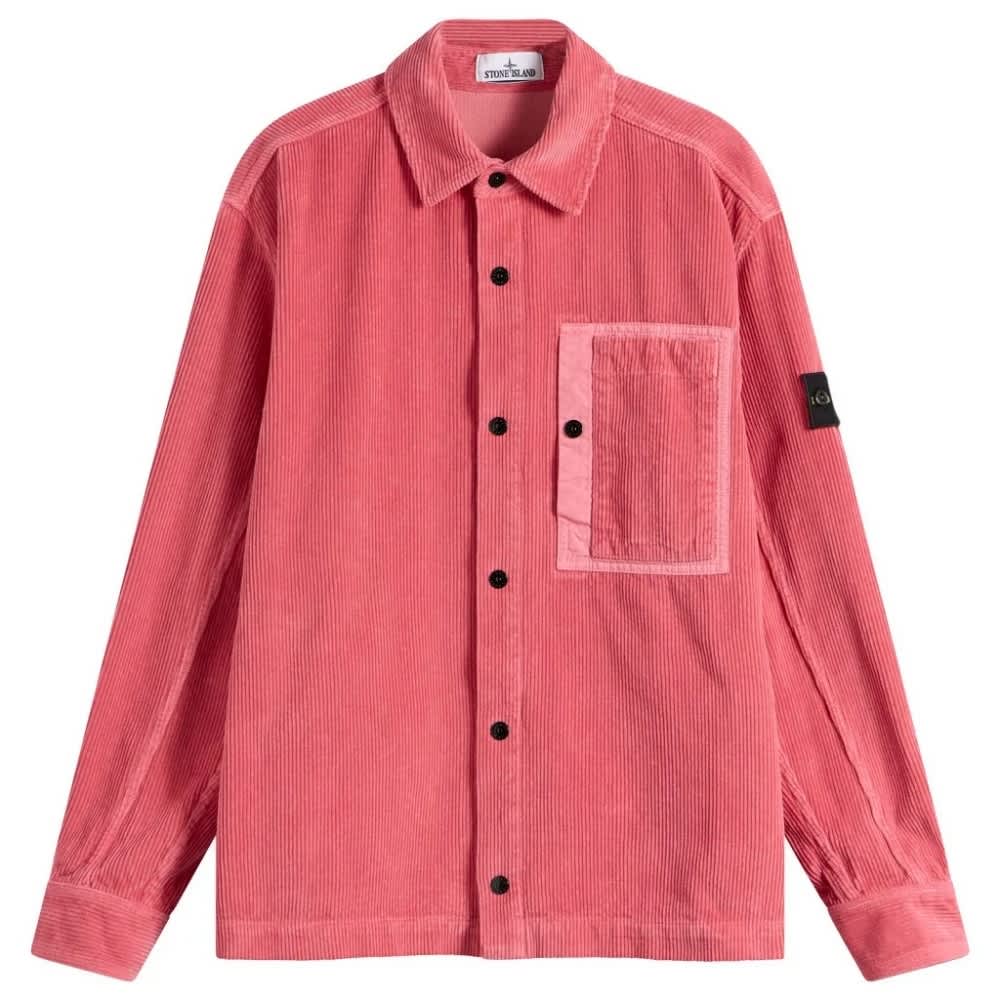
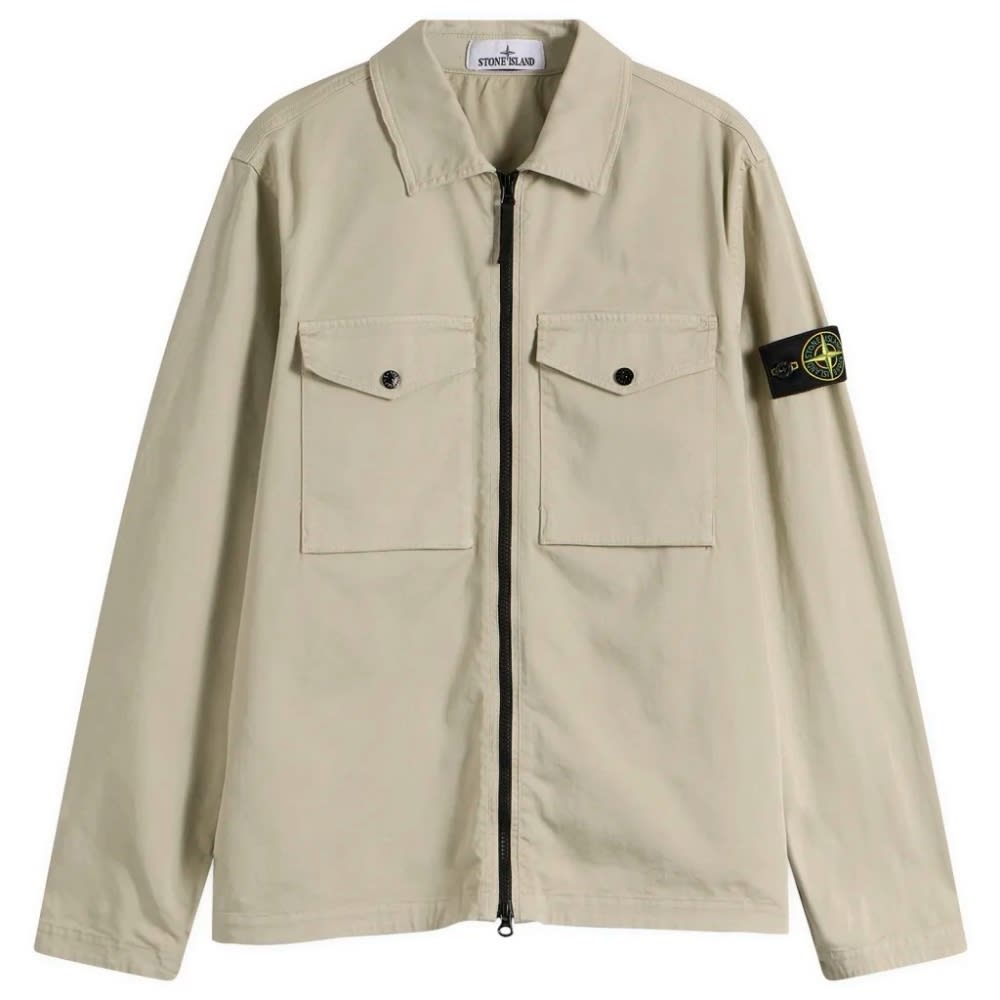
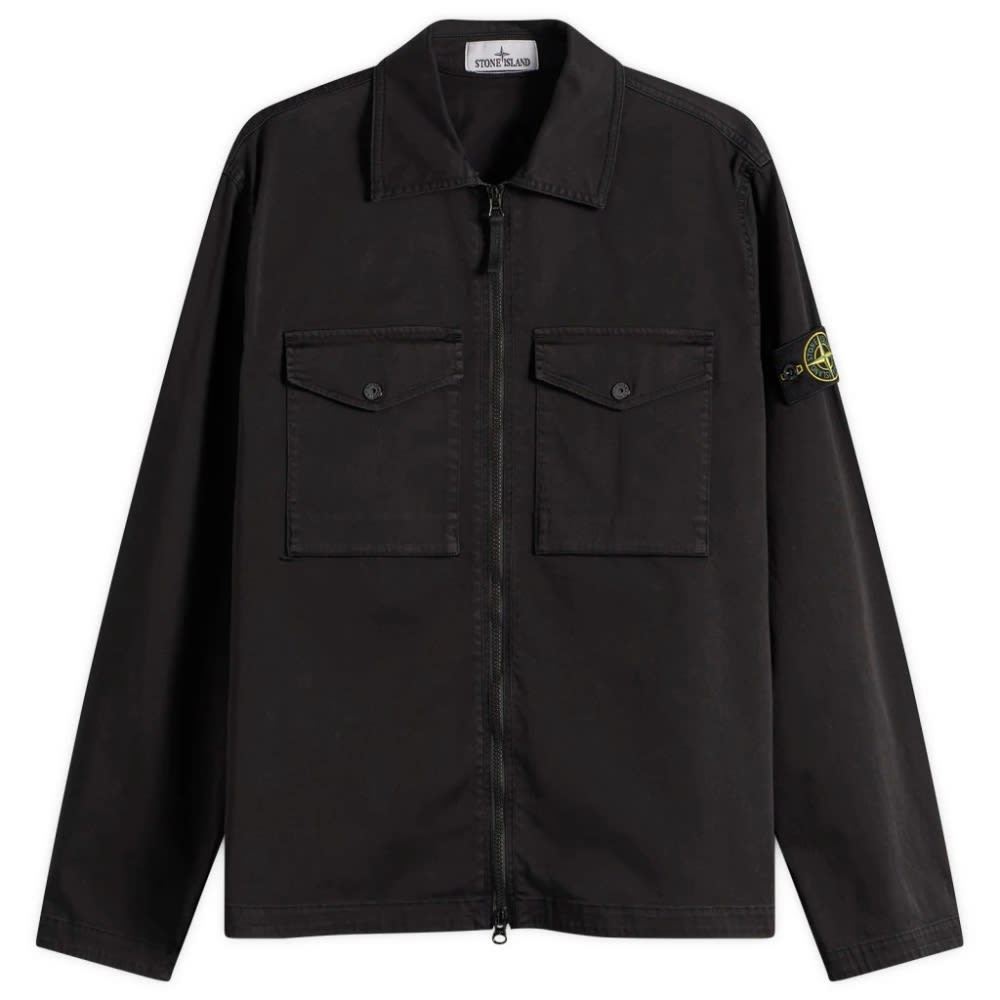
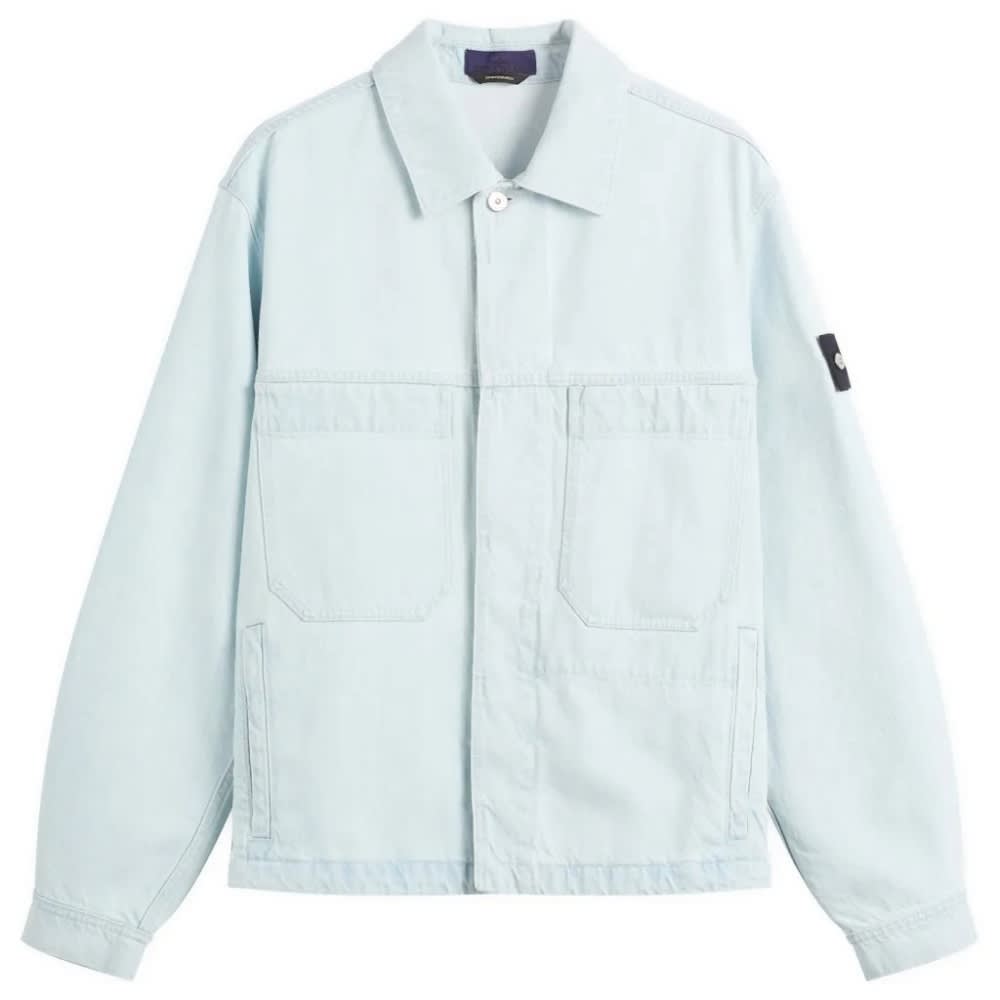
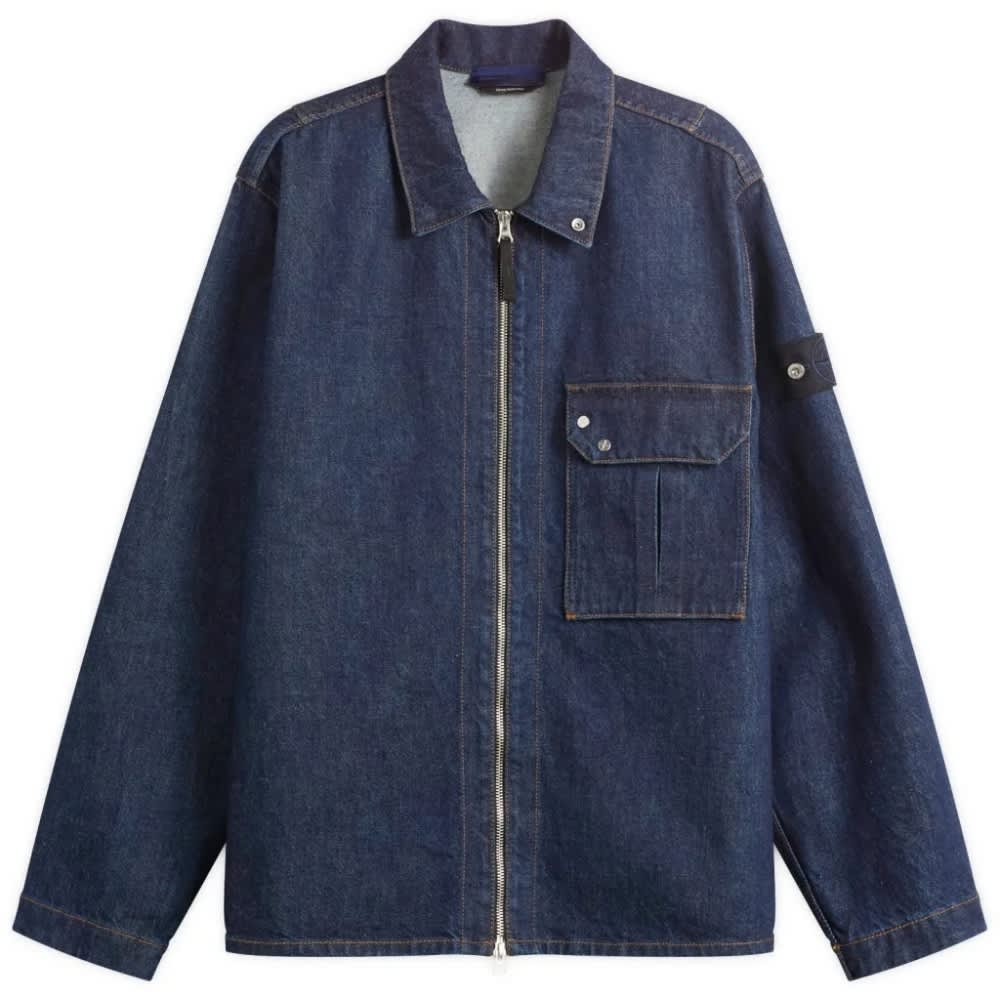
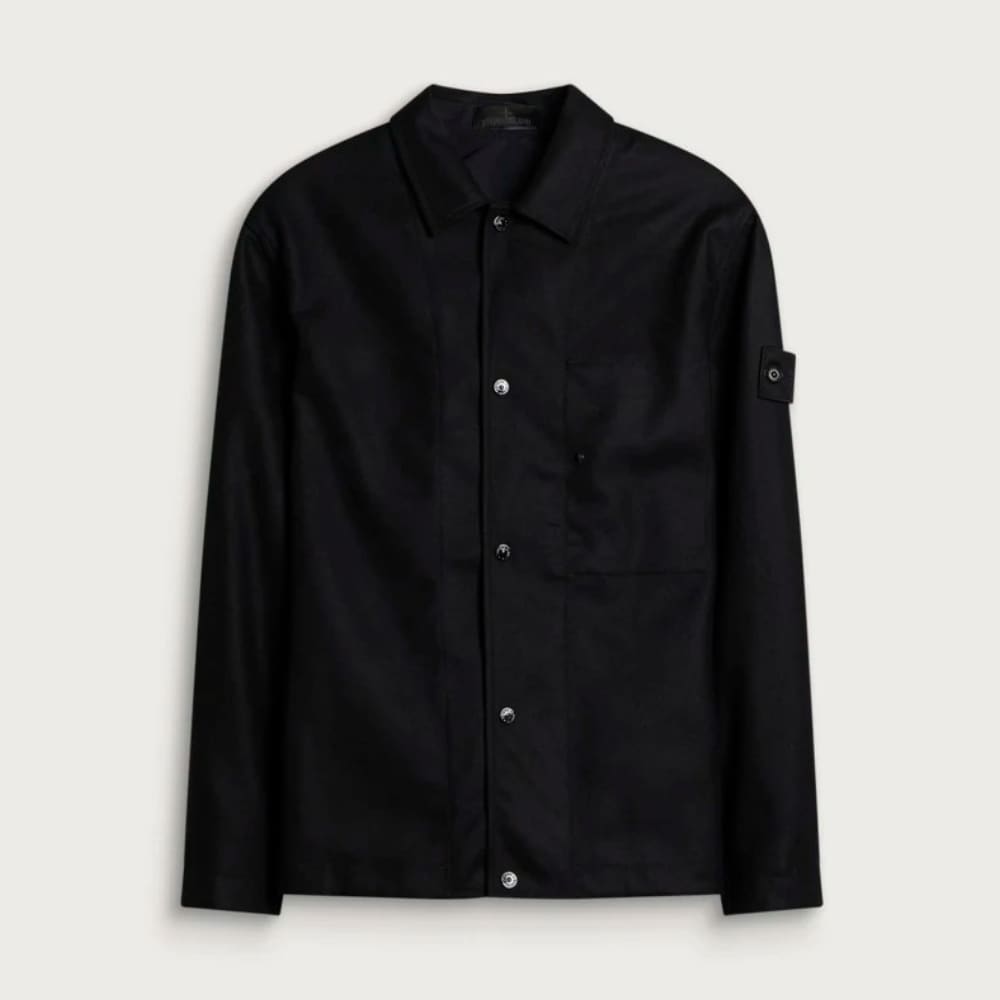
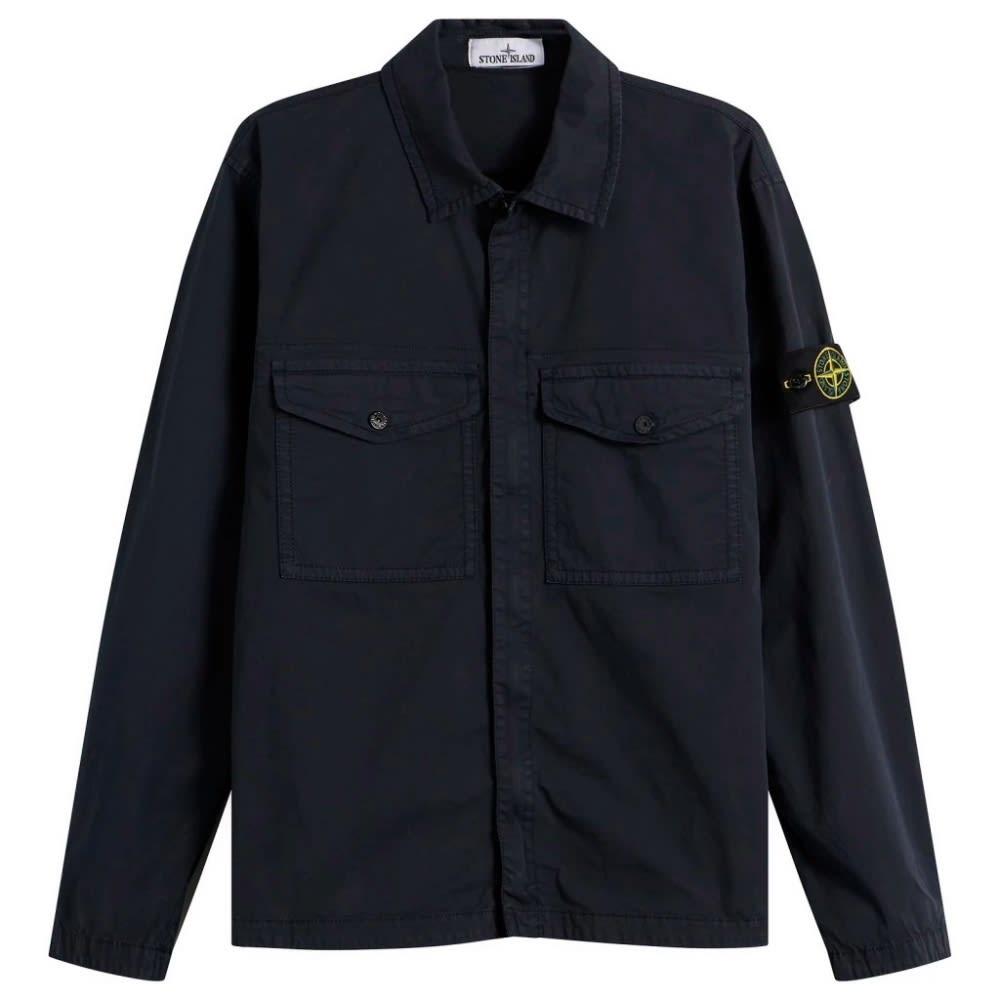
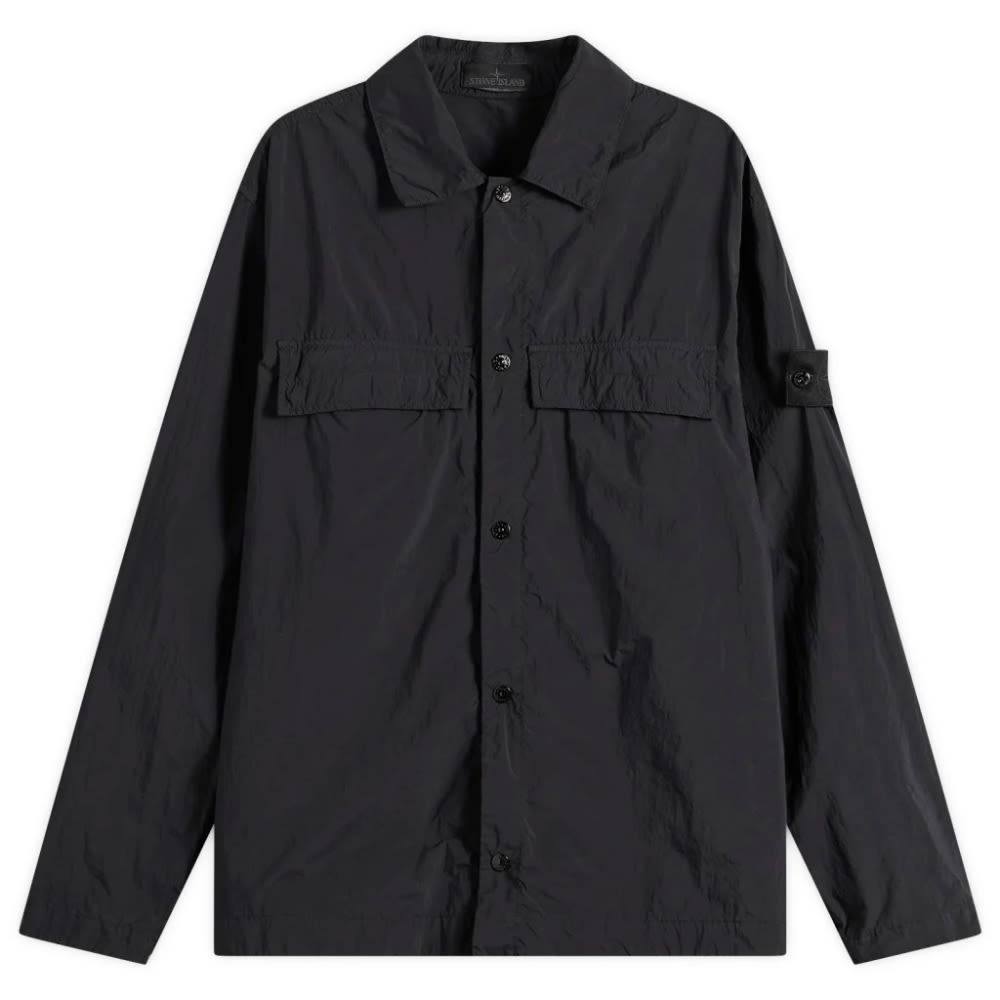
At a time when the overshirt has become a style anchor in both men’s and women’s ready-to-wear collections, it takes a special design to stand out. Luckily, Stone Island has never had a problem with that. Zipped or buttoned, delivered in the season’s best colours, compass patch sitting proudly on the arm. Stone Island overshirts have become immediately recognisable. Of course, the famous buttoned branding helps, but it runs so much deeper than that. At END., we like to know what attracts us to certain garments, so we’re breaking down what makes Stone Island overshirts so good, from the very beginning.
SHOP STONE ISLAND OVERSHIRTS AT END.
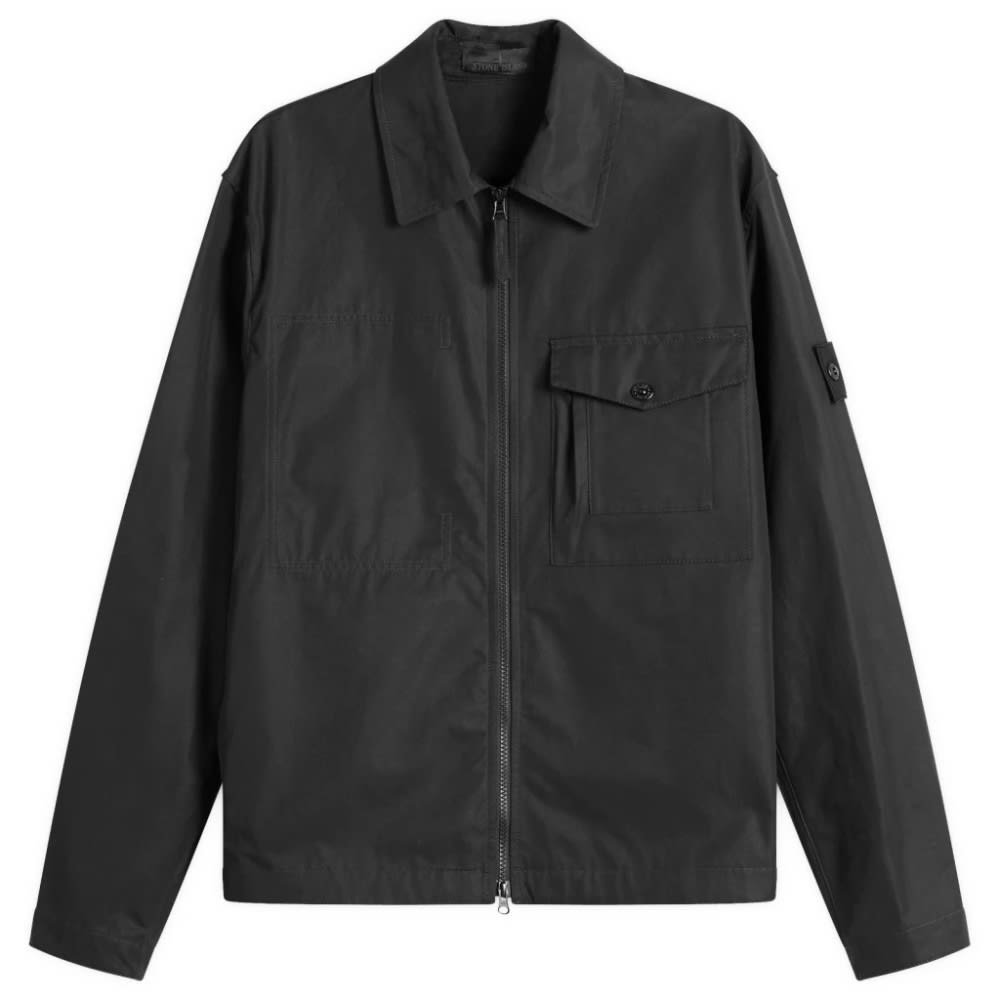
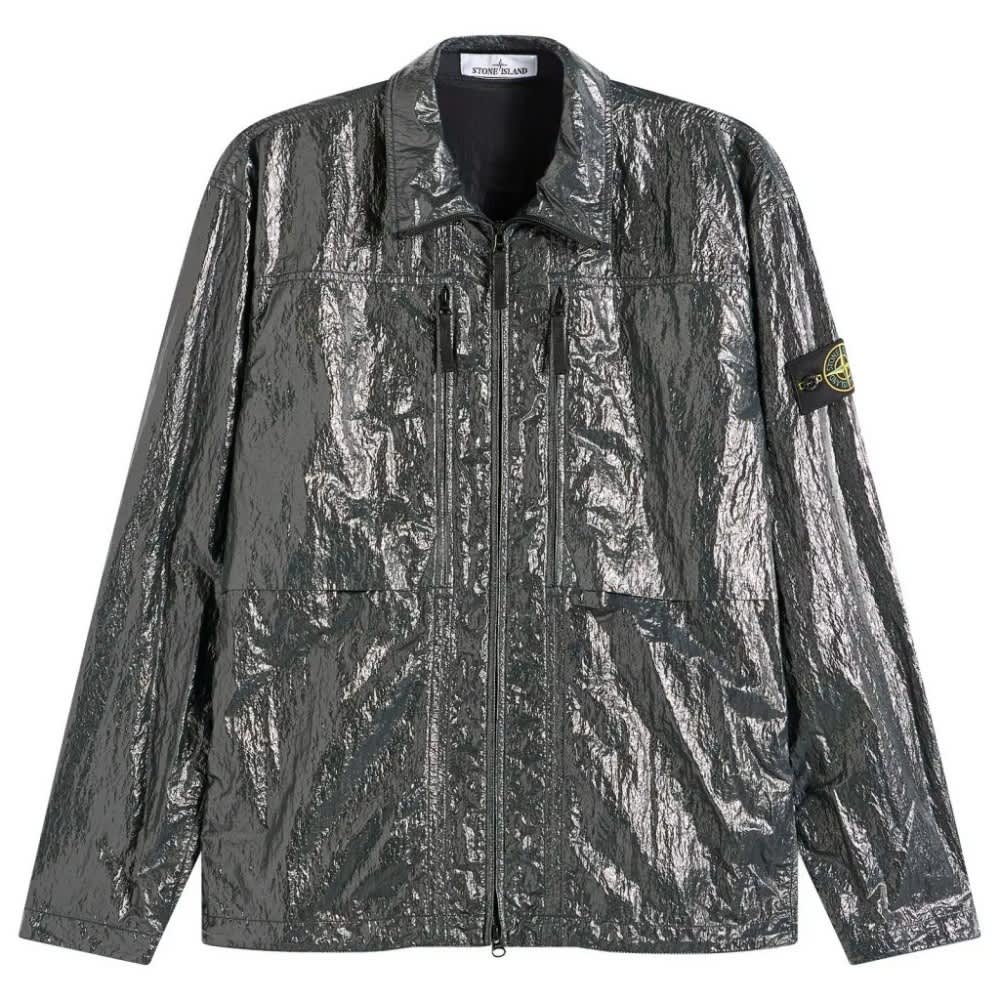
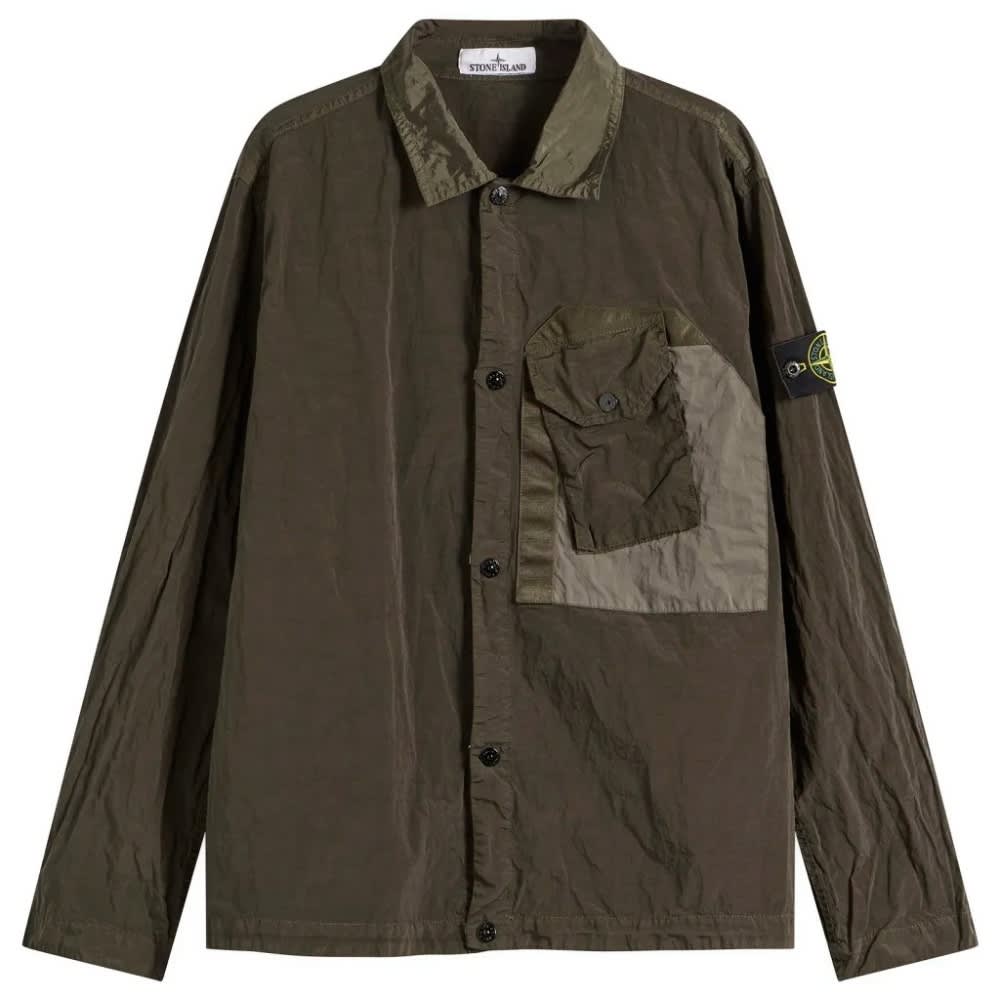
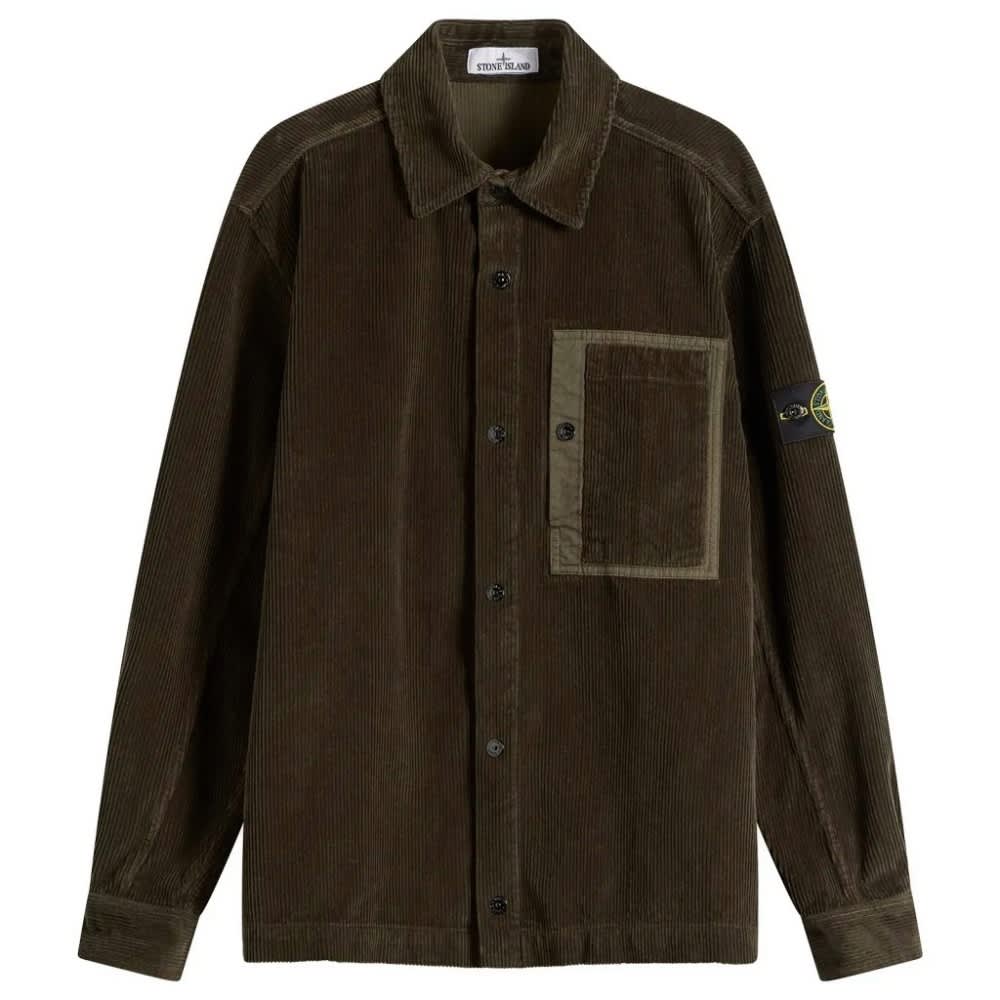
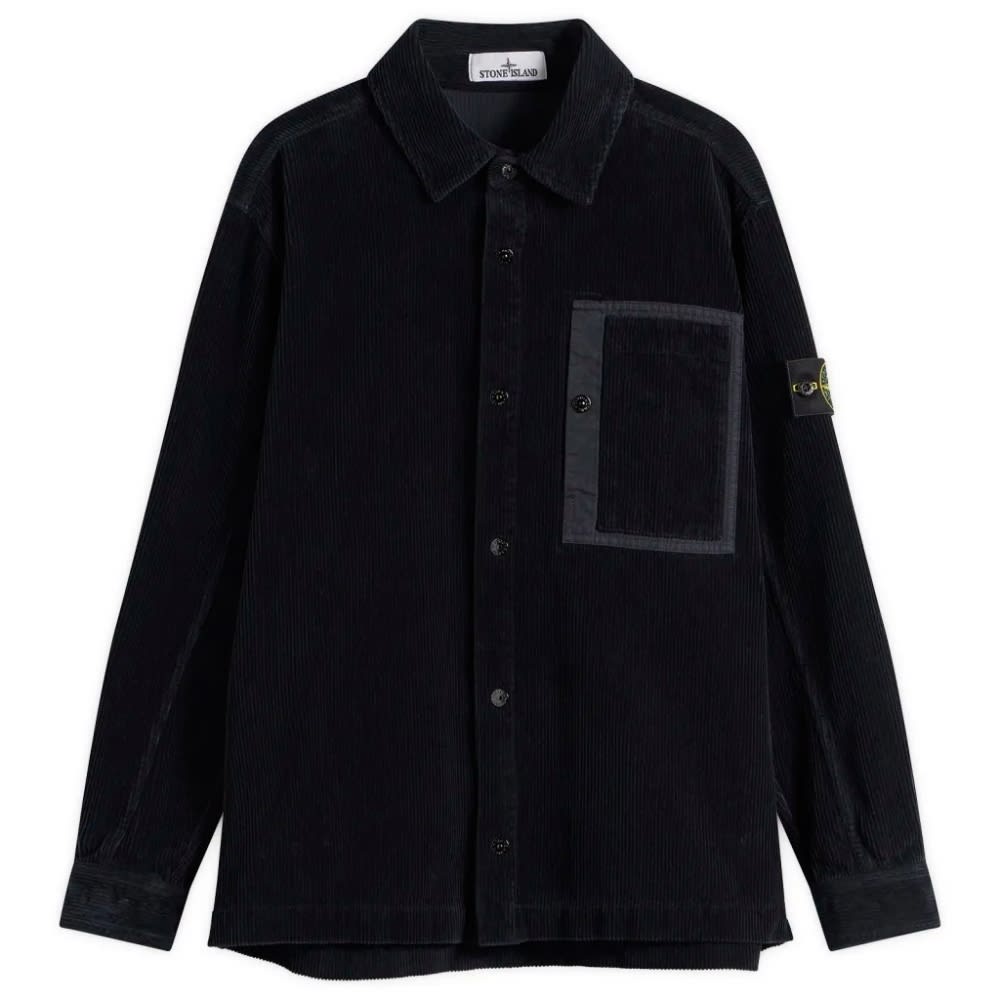
What Is a Stone Island Overshirt?
When we say the beginning, we mean it. So let’s start by settling the difference between an overshirt and a shirt. Honestly, there's not much. The distinction centres on fit and fabric. As the name suggests, overshirts sit over your base layers. This boils down to a boxier fit to make room for something underneath. In terms of fabric, overshirts look to more rugged materials than a standard shirt. While poplin or linen form the bedrock of regular shirts, overshirts are usually cut from heavier corduroy, cotton, wool, or technical options.
Don’t get it twisted though, that does not make the overshirt a jacket. Jackets are one level up. For Stone Island, a jacket is a chance to really flex the tech: think heavyweight shearling, fully waterproof shells, and complex layered constructions. In comparison, the overshirt is a humble, analogue staple.

What makes Stone Island Overshirts Different?
Few labels have as much capacity for experimentation as Stone Island. It’s in this skillset that the brand’s overshirts find their distinction. Take the brand’s fabric experimentation, for example. While others work from a swatch book, Stone Island works from a laboratory. The brand's research and development arm has spent four decades dragging materials out of the places you’d least expect. Industrial tarpaulin, military-spec nylon, or resin-coated cotton are rebuilt into something you can wear. That thinking runs all the way down to the overshirt. One season it arrives in a supple cotton canvas with a broken-in hand feel. The next, it's a paper-touch nylon that crackles when you move, or a brushed wool blend offering the warmth of a light jacket. The silhouette stays familiar but the fabric almost never does.
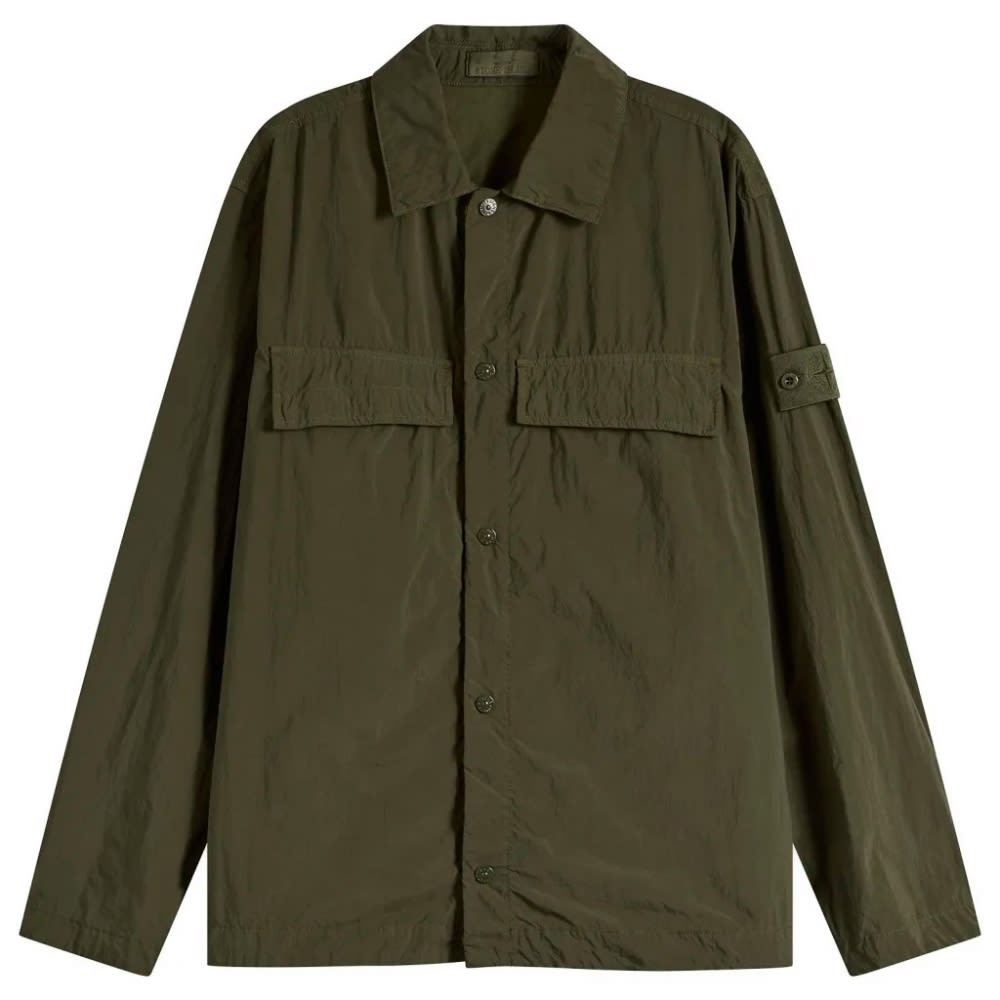
Then there's garment dyeing, arguably the single most Stone Island thing about a Stone Island overshirt. Rather than dyeing the fabric and then cutting the garment, the piece is constructed first and submerged afterwards. Sounds like a technicality but it isn't. Different fibres, threads and trims take colour at different rates, so the finished overshirt comes out with a depth you can’t fake—seams sitting a shade darker, panels catching the light unevenly, a finish that looks lived-in before you've worn it. It also explains why Stone Island's colours never look like anyone else's.
The functional details are where the brand's revered outerwear DNA translates into something more affordable and versatile. Depending on the piece, you're looking at articulated shoulders, two-way zips, storm flaps, adjustable cuffs, and pocket configurations that have clearly been thought about by someone who has actually worn the samples and perfected them through use. Chest pockets are angled for access. Hems are often drawcorded. Nothing here is pure decoration.
Construction follows the same logic. Panels are placed to allow movement rather than to look busy, and the boxier cut is engineered so that a hoodie underneath doesn't ruin the fit. It's the difference between a garment that works over layers and one that just has room.
Can’t forget about the compass. Stone Island's badge has been buttoned to the left sleeve since the beginning, and the fact that it's buttoned rather than stitched is the whole point: it can be removed, which was originally a practical decision and has since become one of fashion’s most recognisable calling cards.


Why Have Stone Island Overshirts Become So Popular?
Versatility, first and foremost. An overshirt occupies the most useful gap in a wardrobe: the space between a shirt that isn't enough and a jacket that's too much. That's the layer most people reach for most often, and Stone Island makes the best version of it.
Technical design does the rest. You're getting genuine outerwear thinking—weather resistance, considered pockets, fabrics developed rather than sourced—in a shape that feels casual. That's a rare combination, and it means the overshirt punches well above its category.
This level of success doesn’t come easy, though. Stone Island has spent decades earning credibility among people who really care about how things are made, and that reputation transfers to every piece in the range. Buying into the brand at this level still means buying into the same archive, the same research, the same obsessives testing new fabric innovation in Ravarino.
There's also the cultural side, which can't be ignored. Stone Island's long relationship with UK terrace culture, and later with streetwear, grime, and hip-hop, has given the compass a second life entirely separate from its technical origins. The badge became shorthand for a certain taste level, a certain scene, a certain kind of knowing. The overshirt is one of the most accessible entry points into all of that.
Finally, it just works across seasons. Lighter cotton and nylon versions cater to spring and early autumn. Heavier wool and padded styles slot under a coat in winter. Very few garments earn that much wear across a calendar year.

How Should a Stone Island Overshirt Fit?
A Stone Island overshirt should sit close to the shoulder and drop cleanly, with enough room through the chest and body for a mid-layer without excess fabric pooling at the waist. The shoulder seam is your best guide. If it's sliding halfway down your arm, you've gone too far.
Think about what's going underneath before you commit. If it's tees and fine knits, opt for your usual size. If you're layering hoodies or heavier knitwear, sizing up is often the smarter call. Sleeves should finish at the wrist bone, hems around the hips.
Silhouettes vary across the range. Some styles are cut long and relaxed for a fit more like outerwear while others are shorter and squarer, closer to a traditional shirt jacket. It depends on whether you want the overshirt to sit as a top layer or disappear under a coat.